

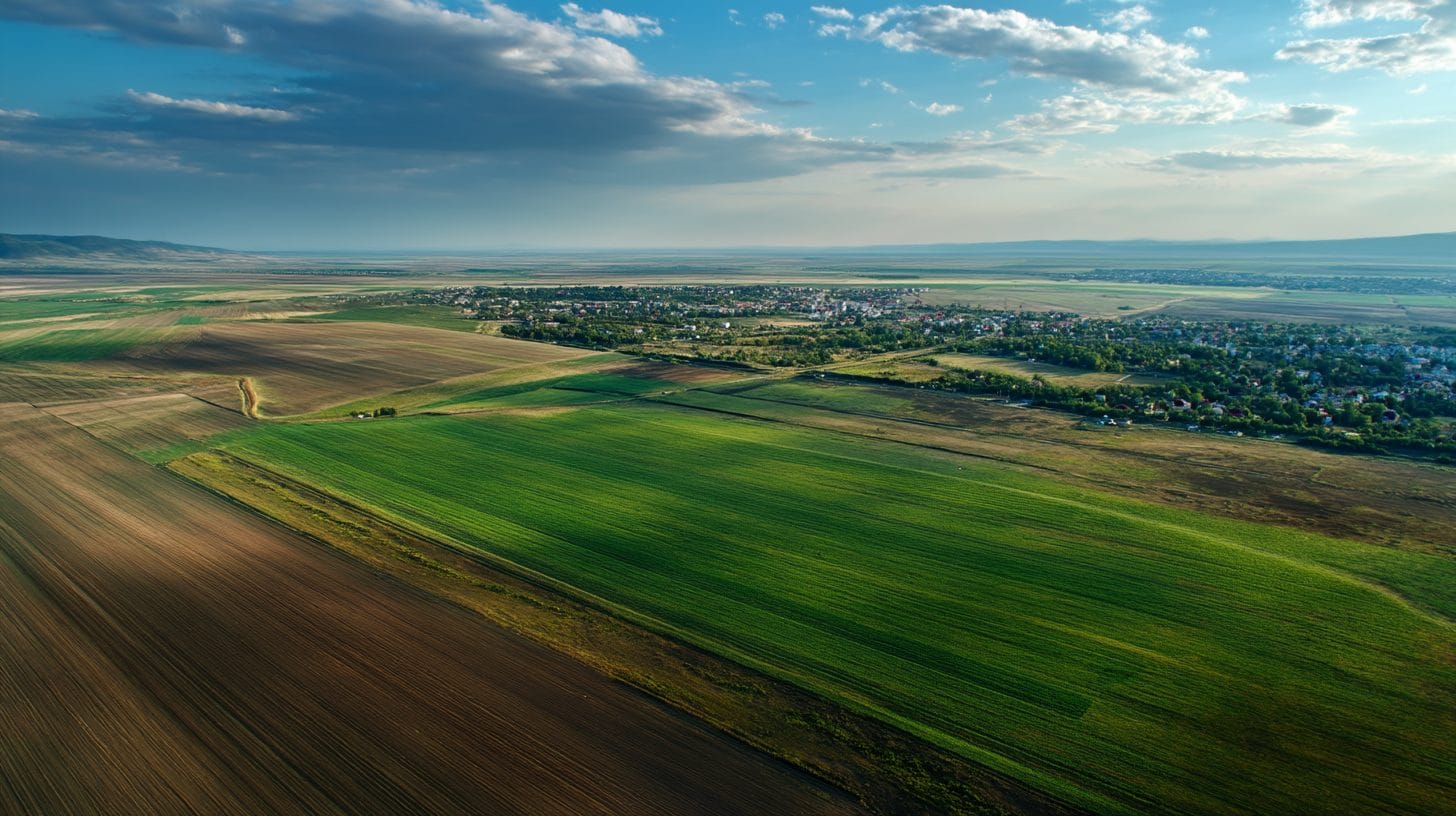
Understanding Environmental Regulations When Buying Land in Romania
In recent years, Romania has emerged as an attractive destination for both domestic and international investors looking to acquire land for various purposes, whether for residential, commercial, agricultural, or industrial developments. However, alongside the allure of its scenic landscapes, lush biodiversity, and strategic location in Eastern Europe, prospective land buyers must navigate a complex framework of environmental regulations that govern land use. Understanding these regulations is critical for ensuring compliance, safeguarding investments, and minimizing ecological impacts. This article aims to demystify the key environmental regulations concerning land acquisition in Romania, thus providing critical insights for potential buyers.
Environmental Regulations Overview
Romania’s environmental regulations are primarily aligned with European Union directives, reflecting the country’s commitment to environmental protection and sustainable development. The legal framework encompasses several laws, ordinances, and governmental decisions that regulate how land can be used, altered, or developed. The cornerstone of this structure includes the Law on Environmental Protection (Law 265/2006), the Law on the Assessment of Environmental Impact (Law 292/2018), and the Law on Protected Natural Areas (Law 5/2000). These legislative tools serve to manage and mitigate the environmental impact of human activities, particularly in the context of land use.
Environmental Impact Assessment (EIA)
One of the most significant aspects of environmental regulations in Romania is the Environmental Impact Assessment (EIA) process. The EIA aims to ensure that potential environmental impacts of proposed projects are evaluated before proceeding. If you are considering purchasing land for development or construction, it is essential to determine whether your project requires an EIA.
Projects that are likely to significantly impact the environment typically fall into categories that necessitate an EIA. These include constructions in sensitive areas, large-scale agricultural developments, or industrial projects. The EIA process involves multiple stages, including:
– Scoping: Identifying the key environmental issues and impacts associated with the project.
– Preparation of EIA Report: Gathering baseline environmental data and projecting the potential impacts of the project.
– Public Consultation: Engaging with stakeholders and the public to discuss the findings and gather input.
– Review and Decision: Authorities review the EIA report before granting or denying the necessary permits.
Failure to undergo the EIA process when required can result in legal penalties, project halts, or requirements for extensive remedial measures.
Permitting and Licensing
In addition to successfully completing an EIA (if applicable), prospective buyers of land in Romania must navigate a series of permitting and licensing requirements. Depending on the intended use of the land—whether for commercial development, infrastructure projects, or agricultural purposes—different permits and licenses may be needed.
Common permits required include:
– Urbanism Certificate: This document outlines the conditions for land use and is usually required before starting any construction. It provides information on zoning regulations, legal boundaries, and other restrictions.
– Building Authorization: This permit is required for actual construction activities and is contingent on obtaining an Urbanism Certificate and having completed adequate design documentation.
– Environmental Permits: Depending on the nature of the project, specific environmental permits may be needed to ensure compliance with pollution control standards and natural resource management.
Purchasers are advised to consult legal and environmental experts before finalizing land deals to ensure that all necessary permits and licenses are obtained and valid.
Land Use Regulations and Protected Areas
Romania is home to numerous natural parks and protected areas that require special attention during any land acquisition process. The Law on Protected Natural Areas establishes various categories of protected sites, including national parks, nature reserves, and Sites of Community Importance (SCIs). Land purchases within or adjacent to these areas often come with stricter regulations aimed at preserving biodiversity and protecting ecosystems.
If the land you are interested in acquiring falls within a protected area, additional steps will likely be needed, including more rigorous environmental assessments or obtaining special permits related to nature conservation. Moreover, thorough research into any applicable zoning regulations is crucial, as these dictates will define permissible land use and development opportunities.
Contamination and Remediation
Another important aspect of environmental regulations in Romania involves land contamination. Property buyers should be aware of potential environmental liabilities associated with polluted sites, especially if the land was previously used for industrial or agricultural purposes. The Romanian legislation mandates that contaminated plots be identified, and remedial actions must be taken to eliminate or minimize pollution impacts.
Before purchasing land, it is prudent to conduct a thorough due diligence process, including an environmental site assessment (ESA) to evaluate the historical use of the land and any potential contamination issues. If contamination is detected, the buyer may be responsible for managing remediation efforts, and costs can quickly escalate. Understanding these factors is paramount to safeguarding your investment and complying with national regulations.
Community Engagement and Stakeholder Involvement
Acquiring land in Romania, especially for development purposes, often requires active engagement with local communities and stakeholders. Community input is a crucial element of both the EIA process and general land utilization. Romania promotes public participation as a part of its environmental decision-making framework, ensuring that local voices are considered in discussions regarding land use changes.
When exploring land acquisition, it is advisable to communicate transparently with local residents and organizations. Building relationships and fostering trust can help ease concerns, address possible opposition, and lead to more sustainable outcomes that reflect the needs and desires of the community.
Conclusion
Navigating the maze of environmental regulations when buying land in Romania can be complex and challenging. However, a thorough understanding of the legal framework, EIA processes, permitting requirements, and potential contamination issues equips buyers with the necessary insights to make informed decisions. As Romania continues to develop and evolve economically, balancing growth with environmental sustainability becomes increasingly important. By adhering to environmental regulations, land buyers not only protect their investments but also contribute to the responsible land stewardship essential for future generations.
Whether you are a seasoned developer or a first-time buyer, consulting with professionals in environmental law and local regulations will help guide you through the intricacies of land acquisition. By being proactive and informed, investors can effectively reduce risks and successfully realize their property aspirations in Romania’s diverse landscape.
Interested in Land Investment in Romania?
We specialize in high-yield land and property opportunities for serious investors.
VIEW OUR CURRENT PORTFOLIOSecure your investment with Land For Investors.

Published: April 10, 2025