

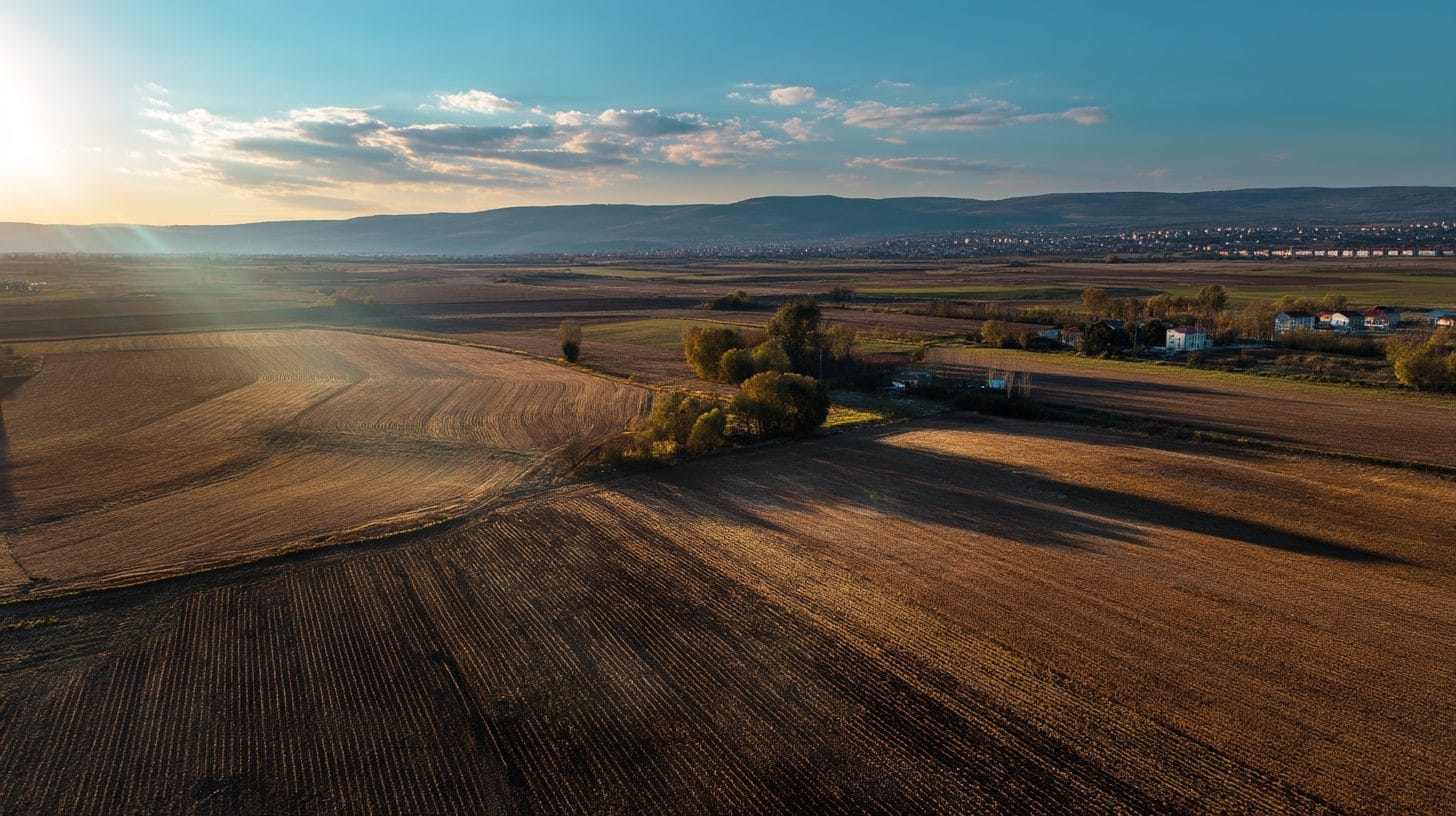
A Guide to Negotiating Land Contracts in Romania
Negotiating land contracts in Romania can be a complex and detailed process, requiring knowledge of local laws, regulations, and market conditions. Romania’s unique blend of cultural, legal, and economic factors makes it essential for anyone looking to buy or lease land to understand the nuances of land contracts in the country. This comprehensive guide provides insights into how to effectively negotiate land contracts in Romania, offering practical tips and strategies to ensure a successful transaction.
Understanding the Romanian Legal Framework for Land Contracts
Before embarking on the journey of negotiating land contracts in Romania, it is crucial to familiarize oneself with the legal terminology and frameworks that govern land transactions. In Romania, land ownership is regulated by the Civil Code, along with various specific laws pertaining to land use and development. Another important aspect is the Land Register, which provides essential information about land ownership, encumbrances, and other rights impacting the parcel in question.
When negotiating land contracts in Romania, it is important to engage an experienced local attorney who specializes in real estate law. They can offer guidance on elaborate aspects of the contracting process, as well as the necessary documentation required for valid and enforceable agreements.
Researching Market Conditions
One of the first steps in negotiating land contracts in Romania is conducting thorough market research. Understanding the current market conditions, including supply, demand, and property valuations, can give buyers and sellers a competitive edge. This knowledge allows parties to establish realistic expectations regarding pricing and terms of the contract.
Researching comparable land sales and lease contracts in the area can also provide valuable insight into negotiations. Websites, real estate agencies, and local listings can help identify trends in land sales, including price fluctuations, which can be instrumental in forming a negotiation strategy.
Assessing the Land’s Value and Potential
After gaining insights into the market, it is important to assess the intrinsic value of the land in question. This involves understanding its specific attributes, including location, zoning, access to infrastructure, and potential for future development. Conducting a comparative analysis of similar properties can help establish a fair asking or offer price.
In Romania, particular attention should be paid to zoning regulations that can affect land use. Familiarizing oneself with local zoning laws can also prove beneficial when negotiating terms of the contract. Engaging the services of a land appraiser may be advisable to establish a professional valuation of the property based on its potential for future use.
Building Relationships with Stakeholders
Negotiating land contracts in Romania often involves more than the buyer and seller—various stakeholders can also play a role. Common stakeholders may include local authorities, surveyors, and real estate agencies. Building and maintaining positive relationships with these parties can smoothen the negotiation process.
Attending local community meetings, networking events, or real estate expos can help foster these relationships and create a reputation as a serious buyer or investor in the region. A good rapport with local stakeholders can lead to vital insights regarding negotiating tactics, property availability, and potential incentives or subsidies associated with land purchases or leases.
Navigating Documentation and Due Diligence
Ensuring that all necessary documents are prepared and reviewed is a crucial step in effectively negotiating land contracts in Romania. Buyers should conduct comprehensive due diligence, including verifying ownership, checking for any encumbrances, and understanding any potential disputes regarding the property.
Key documents that must be thoroughly reviewed during this stage include:
1. The Title Deed: This document is critical for assessing the legal ownership of the property. Ensuring that the seller has proper title is essential before proceeding with negotiations.
2. Land Registration Extract: Obtaining this document from the Land Register can provide essential information regarding property boundaries, restrictions, and potential liens.
3. Urban Planning Certificates: These certificates outline the permissible land use and zoning laws that apply to the property. Understanding these regulations is vital for informing the negotiation terms and future plans.
By conducting due diligence, buyers can establish a clear picture of the land’s legal status and any potential issues that may arise during negotiations.
Formulating the Offer
Once due diligence is complete, the next step entails formulating a formal written offer. When negotiating land contracts in Romania, it is essential to present a transparent, well-documented offer to the seller. The offer should include details such as proposed price, payment methods, and contingencies (if any). The language used must be precise to prevent misunderstandings.
Negotiators should also be prepared for counteroffers, as sellers might propose different terms. Engaging in an open and respectful dialogue can facilitate compromise and help reach an agreement that is satisfactory to both parties.
Negotiating Key Contractual Terms
Several key terms should be prioritized during negotiations, including but not limited to:
1. Price: Ensuring that both parties agree on a fair price based on market research and land assessment.
2. Payment Terms: Establishing how and when payments will be made, whether it be a lump sum or installment.
3. Conditions and Contingencies: Including contingencies for financing, land use approvals, and other potential requirements.
4. Timeline: Agreeing on a realistic timeline for closing the transaction, including any necessary inspections or permits.
5. Legal Fees and Costs: Clearly outlining who is responsible for legal fees, registration costs, and taxes associated with the transaction can help prevent disputes down the line.
Closing the Deal
The closing process for negotiating land contracts in Romania generally involves signing the contract before a public notary. This step is crucial, as it gives the agreement legal binding status. Upon signing, parties should consider registering the contract with the Land Register to protect their interests and ensure the transaction is officially recognized.
It is advisable to engage a notary experienced with real estate transactions in Romania to facilitate the closing process. They can provide essential guidance and ensure compliance with legal requirements throughout the transaction.
Post-Negotiation Considerations
Even after a land contract has been successfully negotiated and signed, there are still several post-negotiation considerations to keep in mind. Buyers and sellers should maintain open lines of communication to address any arising concerns or issues.
Moreover, understanding local customs and community dynamics is essential in maintaining a positive relationship with neighbors and local authorities, which can be essential for future development endeavors.
In conclusion, negotiating land contracts in Romania requires an understanding of the local market, a thorough assessment of property value, and careful consideration of legal processes. By conducting diligent research, building relationships, and paying attention to the details, both buyers and sellers can successfully navigate the complexities of land negotiations in Romania. Engaging legal assistance, remaining adaptable during discussions, and keeping communication transparent can contribute to a favorable outcome in this intricate process. Through these efforts, parties can achieve their real estate goals while adhering to the specificity of land contracting in Romania.
Interested in Land Investment in Romania?
We specialize in high-yield land and property opportunities for serious investors.
VIEW OUR CURRENT PORTFOLIOSecure your investment with Land For Investors.

Published: April 10, 2025