

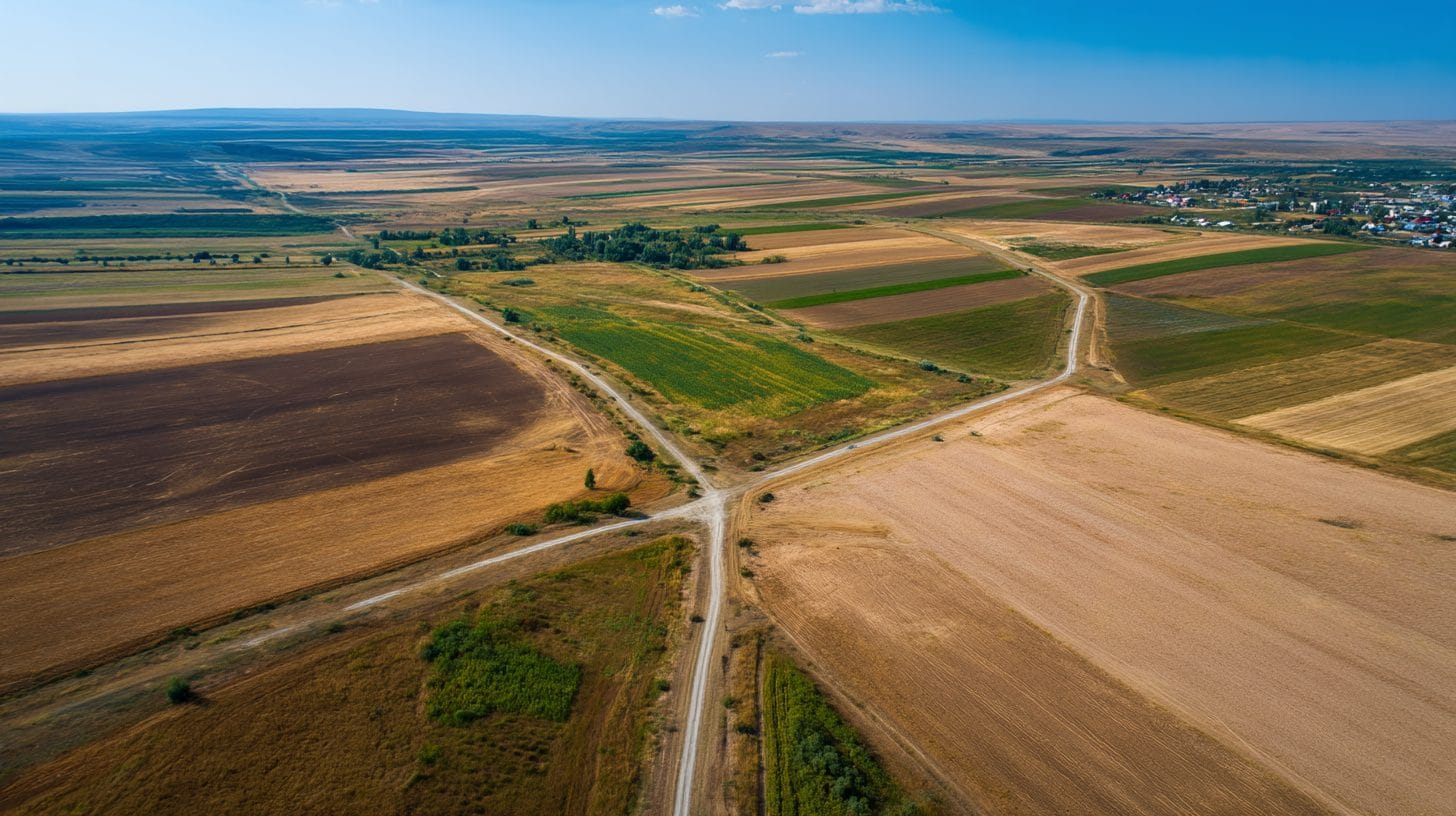
How to Check for Liens and Encumbrances on Romanian Land
When considering the purchase or investment in real estate in Romania, one of the key steps in the due diligence process is to check liens and encumbrances on the property. Failing to do so can result in financial losses or legal complications in the future. In Romania, the legal landscape surrounding property ownership can be complex, making it crucial for potential buyers, sellers, and investors to understand how to check for liens and encumbrances on land. This article aims to provide a comprehensive guide on how to effectively investigate property conditions in Romania, ensuring you approach your real estate transaction with confidence and security.
Understanding Liens and Encumbrances
Before delving into the ‘how-to’ aspect of checking for liens on land in Romania, it is essential to understand what liens and encumbrances are. A lien is a legal claim or right against assets that are typically used as collateral to satisfy a debt. In the context of land, liens can arise from mortgages, unpaid taxes, or service charges. An encumbrance, on the other hand, refers to a broader range of limitations on a property, which may affect the owner’s ability to fully enjoy or transfer the property. Examples of encumbrances include easements, zoning restrictions, or other obligations that can impact the use of the land.
The Importance of Checking for Liens and Encumbrances
Checking for liens and encumbrances is crucial in the real estate transaction process. If a property has existing liens, the new owner may inherit these debts, which could result in forced sale or foreclosure. Similarly, encumbrances can impose restrictions that may not align with a buyer’s intended use of the property. Therefore, performing thorough due diligence can protect you from potential financial and legal repercussions and help ensure a smooth transaction.
Step-by-Step Guide to Checking for Liens and Encumbrances in Romania
1. Obtain Property Identification Information
To begin, gather as much information about the property as possible. This includes the land’s parcel number, the owner’s name, and the property’s location. The more details you have, the easier it will be to perform a comprehensive search.
2. Consult the Romanian Land Registry (Oficiul de Cadastru și Publicitate Imobiliară)
In Romania, property-related information is cataloged through the Land Registry. The Romanian Land Registry is responsible for maintaining official records concerning property ownership, liens, and encumbrances. To check liens on land in Romania, visit your local Land Registry office or utilize their online portal, if available.
3. Conduct a Title Search
Request a title search at the Land Registry office. This formal process will reveal any liens, mortgages, or encumbrances that may be recorded against the property. The title search should provide detailed documentation of any existing claims, along with the names of the claimants and the nature of these claims.
4. Secure a Certificate of Authenticity (Certificat de Inregistrare)
If you are serious about a property purchase, you should obtain a Certificate of Authenticity, which confirms the property’s legal status and outlines any existing encumbrances. This document not only verifies ownership but also lists any mortgages, liens, and other restrictions on the property’s use.
5. Review Local Tax Records
Checking for unpaid property taxes is an important aspect of ensuring that there are no hidden liens. If previous owners have failed to pay property taxes, the government may place a lien against the property. During your due diligence, inquire about the tax payment history at the local tax office.
6. Engage a Real Estate Lawyer
Real estate regulations can be complex in Romania, particularly for foreign buyers or investors. Consider hiring a local real estate lawyer who can assist in navigating legal frameworks and help to check liens on land in Romania accurately. An experienced lawyer can also assist with drafting agreements and ensure compliance with local laws.
7. Check Legal Litigation Records
In addition to title searches and property columns, review the legal records to identify any active lawsuits involving the property. Legal disputes can result in judgments and claims against the property, affecting its marketability and encumbering its title.
8. Verify with Utility Companies
Sometimes, utility companies may place liens on properties for unpaid bills. Contact local utility providers, such as electricity, water, and gas, to confirm whether there are any outstanding arrears that could affect the land.
9. Investigate Any Other Potential Interest
Research any local zoning regulations, building codes, or environmental restrictions that may apply to the property. Encumbrances also include restrictions stemming from zoning laws, so it is essential to verify that the property aligns with your intended use.
Conclusion
Checking for liens and encumbrances on Romanian land is a critical step for anyone looking to invest in real estate in the country. By following the outlined steps, including obtaining essential documentation from the Romanian Land Registry, conducting thorough title searches, reviewing property tax records, and consulting with legal experts, you can ensure that you make informed decisions when purchasing property in Romania. Failing to check for liens and encumbrances could result in unwanted consequences down the line, so prioritizing due diligence is key to securing your investment and ensuring peace of mind in your ownership journey. Always remember, a proactive approach to understanding the legal implications surrounding real estate transactions will yield better outcomes in the long run. Stay informed and empowered as you navigate the real estate landscape in Romania, safeguarding your investment and ensuring a successful property transaction.
Interested in Land Investment in Romania?
We specialize in high-yield land and property opportunities for serious investors.
VIEW OUR CURRENT PORTFOLIOSecure your investment with Land For Investors.

Published: April 10, 2025