

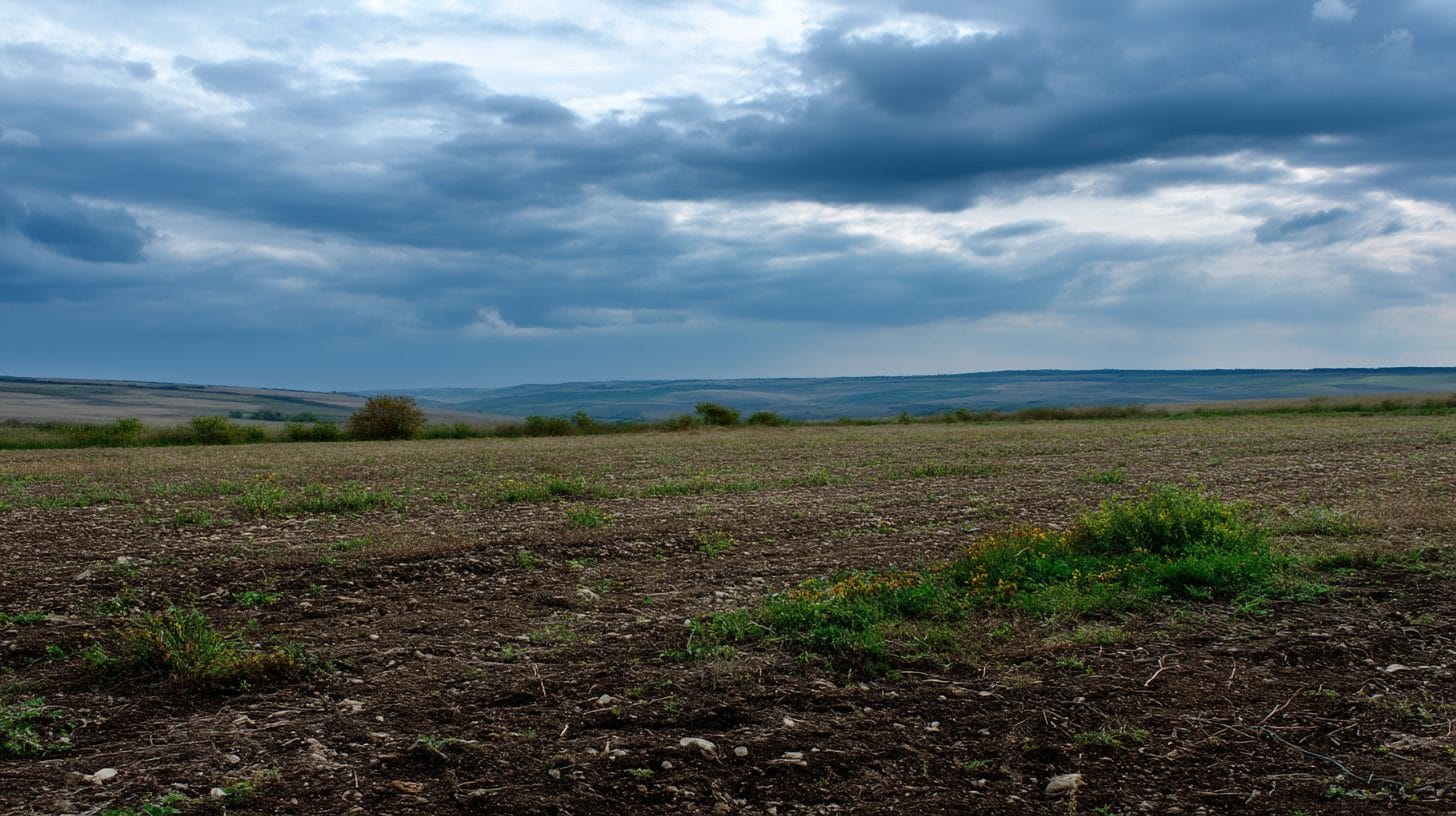
A Guide to Understanding Land Development Permits in Romania
Land development permits in Romania are crucial steps in the planning and construction processes for real estate projects. As the real estate market continues to grow and evolve, understanding the requirements, processes, and regulations surrounding land development permits in Romania becomes more essential for developers, investors, and property owners.
The legal framework governing land development permits in Romania is intricate and involves various local and national regulations. This comprehensive guide seeks to elucidate the key components and procedures involved in obtaining land development permits in Romania, ensuring that stakeholders are well-informed and ready to navigate the complexities of property development within the country.
Understanding the Legal Framework
In Romania, the primary laws governing land development permits stem from the Law No. 50/1991 concerning the authorization of construction works, as well as the related zoning laws, regional planning regulations, and local ordinances. These pieces of legislation establish the foundational guidelines for land use, urban planning, and construction authorization.
Generally, land development permits in Romania must align with the land use plans (PUG – Plan Urbanistic General) of the local municipalities. These plans dictate the zoning of various areas, the types of developments permitted, and any specific regulations that apply. Therefore, consultation with local urban planning authorities is essential for any developer considering a project.
Types of Land Development Permits
In Romania, there are several types of permits that may be required during the land development process:
1. Certificate of Urbanism (CU) – This preliminary document provides essential information regarding the property’s location, the applicable urban planning regulations, and the necessary permits for the proposed development. It is generally the first step in the permitting process.
2. Building Permit (PU) – After obtaining a Certificate of Urbanism, developers must apply for a Building Permit. This permit authorizes the actual construction and ensures that the project complies with all applicable building codes, safety standards, and zoning regulations.
3. Other Special Permits – Depending on the nature of the project, additional permits may be required. These can include environmental impact assessments, permits related to historical preservation, and specific licenses for utilities, among others.
The Process of Obtaining Land Development Permits
Navigating the process of obtaining land development permits in Romania can be time-consuming and requires careful attention to detail. The procedural steps generally include:
1. Initial Consultation – Engaging with local urban planning authorities and legal advisors early in the process can help clarify the requirements and expected timelines for obtaining necessary permits.
2. Application for Certificate of Urbanism – Developers must submit an application for the Certificate of Urbanism, providing detailed information about the project, including location, scope, and types of development proposed. The authorities may also require documentation such as ownership titles and topographic surveys.
3. Review Process – After submission, the application undergoes review by various municipal departments, including urbanism, environmental protection, and fire safety. This review period may take several weeks, and authorities may request additional documentation or modifications to the proposed project.
4. Issuance of Certificate of Urbanism – Upon successful review, authorities will issue the Certificate of Urbanism, outlining the permitted uses of the property and any specific conditions that must be respected during the development process.
5. Application for Building Permit – Following the issuance of the Certificate of Urbanism, developers can submit an application for the Building Permit, which requires a more detailed set of construction plans and technical documentation.
6. Thorough Evaluation – This step involves a more rigorous examination of construction plans, including compliance with safety standards and zoning regulations. The review typically involves multiple departments, and the timeframe can vary considerably based on the complexity of the project.
7. Issuance of Building Permit – Once approved, the Building Permit is issued, allowing the developer to commence construction. It’s essential to adhere strictly to the approved plans, as any deviations may result in fines or revocation of the permit.
8. Inspections and Compliance – Throughout the construction phase, various inspections will be conducted to ensure compliance with safety regulations and building codes. These inspections may be scheduled at different stages of development and must be passed for the project to progress.
9. Final Approval – Upon completion of construction, developers must obtain a Final Approval (Reception) which confirms that the built project complies with the approved plans and meets regulatory requirements. This is a vital step for the legalization of the property.
Challenges and Considerations
Understanding the intricacies of land development permits in Romania is essential for successful project execution, yet challenges often arise. Knowledgeable legal counsel and urban planning expertise can mitigate risks, as regulatory requirements can frequently change based on evolving policies or local needs.
Development timelines can also be unpredictable. A project can face delays due to lengthy review processes, additional document requests, or local opposition. Consequently, budgeting and scheduling should account for potential extended timelines.
Engagement with the community may be beneficial during the permitting process, especially for larger or impactful projects. Building relationships with local stakeholders and addressing community concerns can create goodwill, enhancing the likelihood of successful project approvals.
The Importance of Compliance
Compliance with land development permits in Romania is vital not only for the success of a project but also for maintaining a positive relationship with regulatory authorities. Errors or violations in the process can lead to fines, mandated modifications, or even complete project halt. Therefore, it is essential for developers to engage qualified professionals, including urban planners, legal advisers, and architects, at every stage of the permitting process.
Final Thoughts
Navigating the world of land development permits in Romania can be complex, but with the right information, resources, and expert consulting, potential challenges can be effectively managed. Understanding the land development permit landscape and adhering to legal requirements can facilitate the successful realization of projects while contributing positively to Romania’s urban landscape and economic development.
Those seeking to engage in the Romanian real estate market should approach land development permits with thorough planning and an insightful understanding of both the bureaucratic and community dynamics at play. By doing so, developers can not only secure the necessary permits but also contribute meaningfully to the built environment of this emerging European market.
In conclusion, awareness and comprehension of the procedures and regulations surrounding land development permits in Romania are essential for anyone looking to invest or develop real estate in the country. Having a strong foundation of knowledge can lead to improved project outcomes and better integration within the local community, ultimately enhancing Romania’s growing real estate sector.
Interested in Land Investment in Romania?
We specialize in high-yield land and property opportunities for serious investors.
VIEW OUR CURRENT PORTFOLIOSecure your investment with Land For Investors.

Published: April 15, 2025