

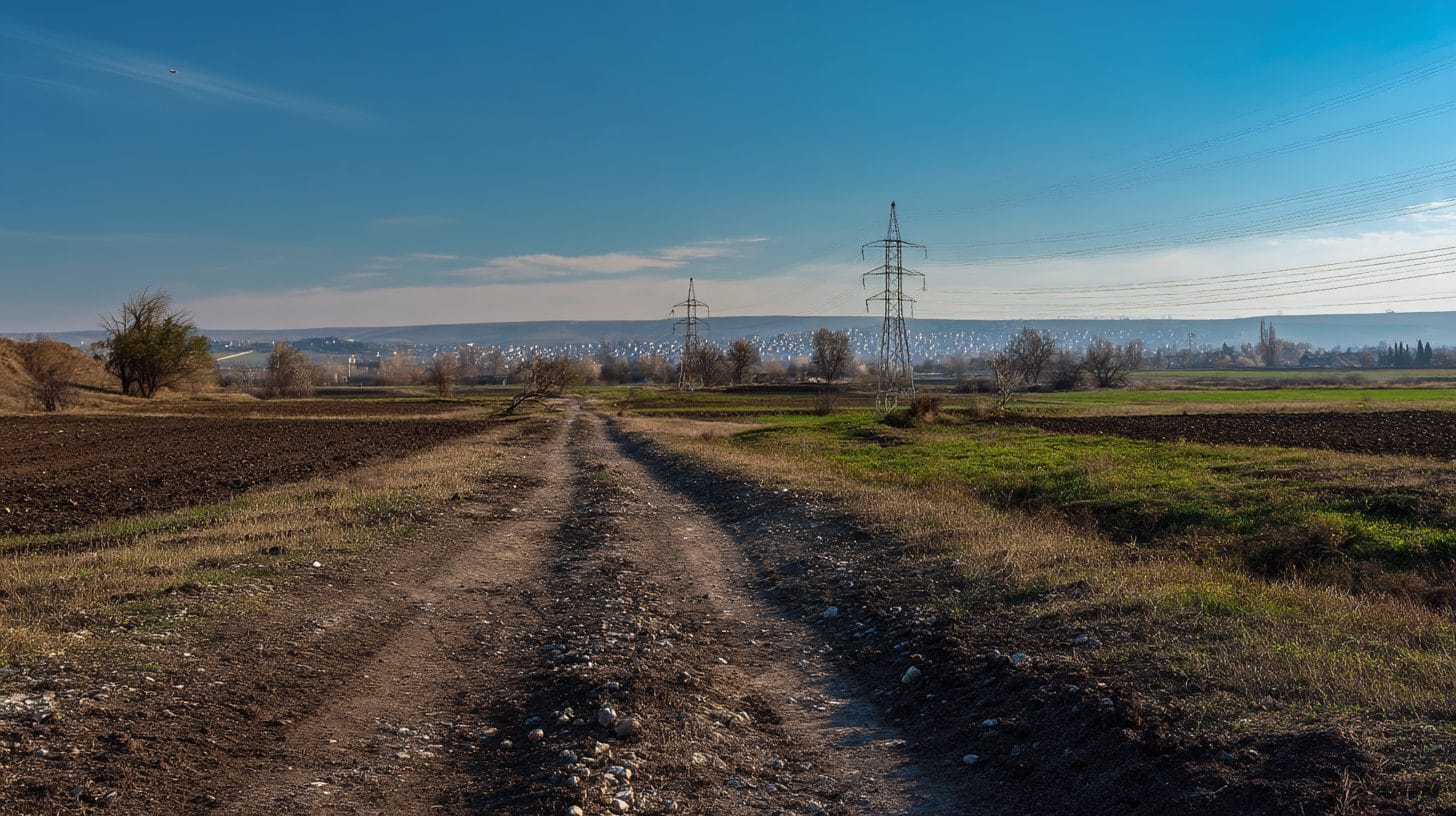
Using Real Estate Analytics to Forecast Land Trends in Romania
The real estate sector plays an essential role in the economic framework of Romania, contributing significantly to GDP growth and affecting various facets of everyday life. As urbanization continues to rise and the demand for residential, commercial, and agricultural properties flourishes, it becomes increasingly important to harness the power of real estate analytics to forecast land trends in Romania. This article delves into the concept of real estate analytics, its methodologies, and its profound implications for land trends in Romania.
Understanding Real Estate Analytics
Real estate analytics leverages data analysis techniques to interpret market trends, property values, and demographic changes. The aim is to enable investors, developers, and policymakers to make informed decisions based on predictive insights. The analytic process can range from basic statistical evaluations to sophisticated machine learning models that identify patterns and forecast future trends.
In Romania, real estate analytics involves a wide array of datasets, including historical property prices, sales volume, demographic shifts, economic indicators, and geographic data. These datasets amalgamate to create a comprehensive understanding of land trends, reflecting the interplay between various market forces.
The Growth of Real Estate Analytics in Romania
The application of real estate analytics in Romania has seen significant evolution over the past decade. With the advent of technology, data-driven strategies have become essential components for stakeholders in an increasingly competitive real estate market. From urban planners to investors, the various players utilize analytics to manage risks and capitalize on potential opportunities.
Technological developments such as artificial intelligence (AI), big data, and geographic information systems (GIS) have fueled the advancement of real estate analytics in Romania. These technologies allow for more refined data collection and analysis, enabling the identification of specific land trends that might have formerly gone unnoticed. For instance, sentiments around particular urban areas can be captured through social media analytics, revealing growing interest or declining demand.
Application of Real Estate Analytics to Forecast Land Trends in Romania
1. Identifying Emerging Urban Centers
One of the most significant applications of real estate analytics is identifying newly emerging urban centers. By analyzing population growth metrics, employment rates, infrastructure development, and transportation networks, analytics can help forecast which areas of Romania are likely to become urban focal points. For example, cities like Cluj-Napoca, Iași, and Timișoara have seen notable growth due to local investments and a bolstered IT sector. Utilizing analytics, real estate stakeholders can better position themselves to enter these burgeoning markets.
2. Real Estate Pricing Trends
Understanding pricing trends is crucial for anyone looking to invest in real estate. Analytics can track property prices over time and correlate them with various factors such as location, amenities, and governmental interventions. By employing predictive modeling, investors can estimate future property prices with a degree of accuracy. This ensures that they can capitalize on undervalued properties, optimizing their investment strategies.
3. Socio-Economic Influences
The socio-economic factors influencing land demand are multifaceted. Real estate analytics allows a comprehensive examination of how economic indicators such as unemployment rates, wage growth, and population density impact the need for different types of properties. In Romania, the growth of remote work has altered the dynamics of where people choose to live. Analytics can signify shifts in demand for suburban properties versus urban centrality.
4. Regulatory and Environmental Impact Analysis
Planning and zoning regulations play a critical role in land usage and development. Real estate analytics can help understand the potential impact of regulations on land trends, enabling developers to navigate governmental landscapes effectively. Moreover, environmental factors such as proximity to natural reserves or pollution indices contribute to desirability. By integrating this data, stakeholders can make informed decisions that align not only with market demand but also with sustainability objectives.
5. Investment Risk Analysis
Every investment contains an element of risk. Real estate analytics provides investors with the ability to perform comprehensive risk assessments by utilizing historical data, market trends, and external factors. These analyses can alert investors to areas experiencing volatility or declining demand, enabling them to recalibrate their portfolios proactively.
Forecasting the Future of Land Trends in Romania
The future of real estate analytics in Romania is poised for remarkable transformations. As data collection becomes increasingly sophisticated and machine learning models evolve, stakeholders will gain deeper insights into land trends. The integration of augmented reality (AR) and the Internet of Things (IoT) promises to enrich data sources, providing real estate analytics with enhanced capabilities.
Moving forward, real estate stakeholders in Romania need to remain flexible and adaptable to the rapid changes brought about by technology and the shifting economic climate. The importance of harnessing real estate analytics cannot be overstated; it serves as a guiding compass in navigating uncertain waters and making well-informed decisions.
In conclusion, utilizing real estate analytics to forecast land trends in Romania is not merely beneficial but essential for stakeholders across the spectrum. As the real estate market evolves, the ability to glean actionable insights from comprehensive data analyses will empower investors, developers, and policymakers to anticipate changes, seize opportunities, and contribute to sustainable growth in Romania. The integration of these analytics into strategic planning and decision-making ensures that all parties remain competitive and proactive within a dynamic landscape. As we delve deeper into the future, adapting to these methodologies will be crucial in unlocking the potential that lies within Romania’s vibrant real estate market.
Interested in Land Investment in Romania?
We specialize in high-yield land and property opportunities for serious investors.
VIEW OUR CURRENT PORTFOLIOSecure your investment with Land For Investors.

Published: April 15, 2025