

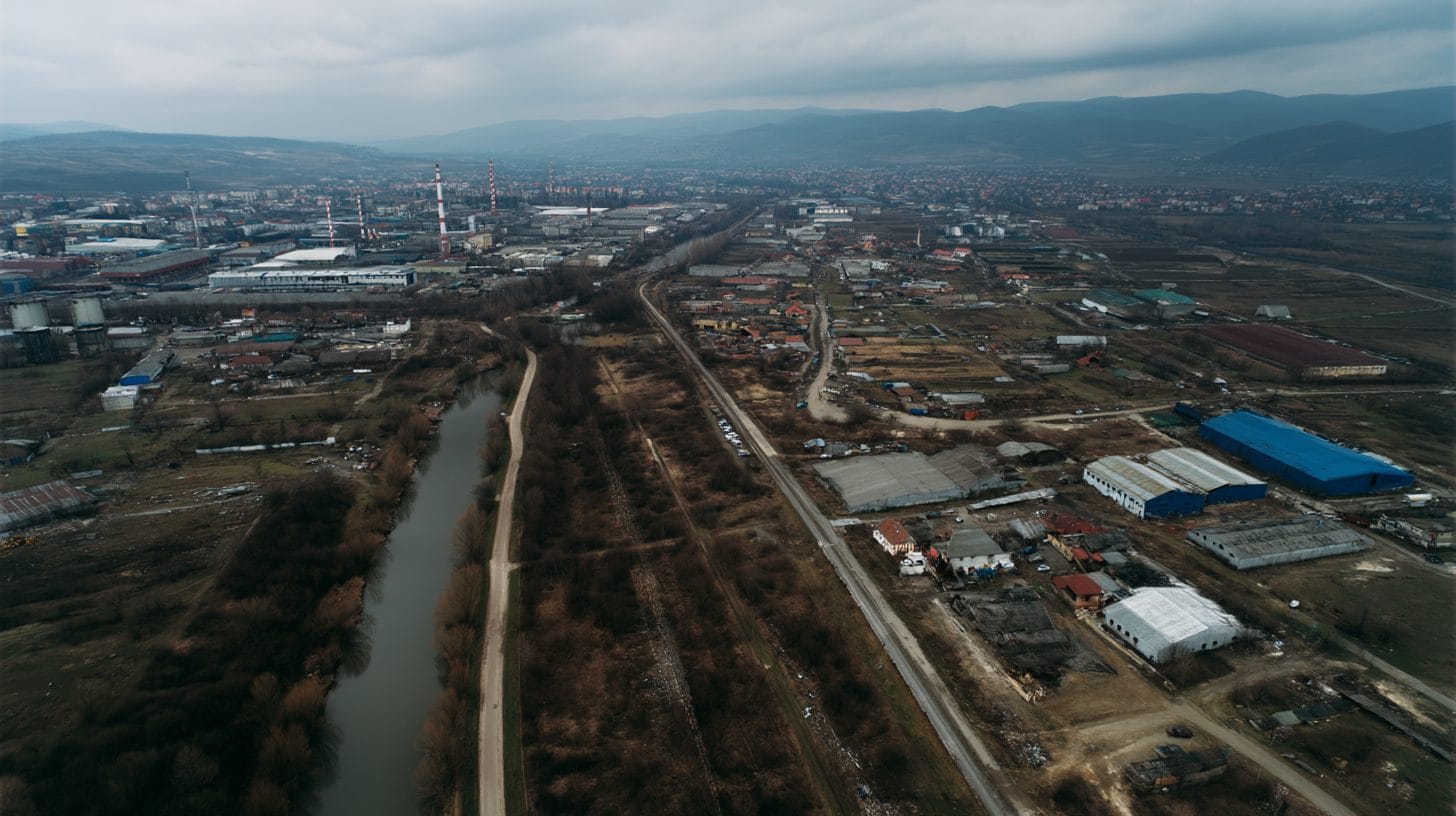
Evaluating the Impact of New Infrastructure on Land Prices in Romania
In recent years, Romania has witnessed extensive developments in infrastructure aimed at enhancing economic growth, regional connectivity, and improving the quality of life for its citizens. With the country undergoing significant transformations through the implementation of modern transport networks, urban planning initiatives, and technological advancements, the impact of new infrastructure on land prices in Romania has become a subject of critical analysis. This article explores how new infrastructure affects land prices, taking into consideration various influencing factors and providing a detailed assessment of the current landscape.
Infrastructure Development: Historical Context
Romania’s journey toward modern infrastructure began in earnest in the early 2000s, following its accession to the European Union. The inflow of European funds, coupled with public-private partnerships, has led to remarkable advancements in transportation, energy, telecommunications, and urban infrastructure. Projects such as the modernization of highways, the expansion of rail networks, and the development of airports have been instrumental in reshaping the Romanian economic landscape.
The Role of Infrastructure in Economic Development
New infrastructure is widely recognized as a catalyst for economic development. It enhances accessibility, which, in turn, increases trade, tourism, and investment opportunities. In Romania, the impact of new infrastructure on land prices is multifaceted, affecting urban, suburban, and rural areas differently. Studies have shown that improved infrastructure correlates with increased land values due to heightened demand for vicinity to these developments.
Transportation Infrastructure and Land Value
One of the most significant contributors to the increase in land prices in Romania is transportation infrastructure. The expansion of road networks, highways, and rail lines has been pivotal in connecting regions and facilitating the movement of goods and people. Land located near major transportation hubs—such as airports and railway stations—often sees a significant appreciation in value. The ease of access not only attracts businesses but also encourages residential and commercial developments, creating a positive feedback loop that influences land prices.
Urban Development and Land Prices
The urbanization of cities in Romania, fueled by new infrastructure, has led to a dramatic shift in land prices. Areas witnessing new business parks, shopping centers, or entertainment venues often experience an influx of residents eager to take advantage of improved amenities. This demand drives up land prices, especially in urban centers like Bucharest, Cluj-Napoca, and Timișoara. The trend is evident in the way formerly underdeveloped areas have transformed into sought-after locations, increasing their land value exponentially as infrastructure projects get underway.
The Technological Revolution: Smart Infrastructure
The rise of smart infrastructure—characterized by the integration of technology in urban planning and development—also plays a crucial role in determining land prices. In Romanian cities, investments in smart traffic management systems, energy-efficient buildings, and sustainable urban designs have led to heightened interest from investors and homebuyers alike. Properties located within smart infrastructure zones tend to have higher land values due to their modern amenities and the promise of reduced living costs.
Sustainability: A New Consideration for Land Prices
As sustainability becomes an increasing priority worldwide, Romania is aligning its infrastructure projects with environmental considerations. New infrastructure initiatives that emphasize sustainability—such as green buildings, eco-friendly transportation options, and urban green spaces—have a distinctive impact on land prices. Areas that showcase a commitment to environmentally friendly policies tend to attract buyers and investors who value sustainability, driving up land prices further compared to traditional development-led scenarios.
Economic Impact of COVID-19
The COVID-19 pandemic has had a significant impact on Romania’s economy and, by extension, land prices. The shift toward remote working has transformed residential location preferences, with many seeking larger properties in less densely populated areas, particularly where new infrastructure projects support telecommuting. This trend has resulted in rising land prices in suburban and rural settings as infrastructure developments improve connectivity and accessibility to urban centers.
Legislative Policies and Infrastructure Development
The Romanian government has demonstrated a commitment to improving infrastructure through various legislative policies and planning frameworks. Government investments in public infrastructure can play a pivotal role in stabilizing and enhancing land prices. The effective allocation of EU funds for infrastructure projects, alongside supportive government policies, facilitates stronger economic fundamentals, resulting in the appreciation of land prices.
Challenges and Considerations
While the positive impact of new infrastructure on land prices is widely acknowledged, several challenges must be considered. Concerns ranging from land speculation to regulatory hurdles can distort land markets. Additionally, the long-term sustainability of rising land prices, especially in the wake of economic fluctuations or demographic shifts, remains a focal point for policymakers and investors.
Conclusion
The impact of new infrastructure on land prices in Romania cannot be understated. As investments continue to flow into enhancing transportation, urban development, and technological advancements, the landscape of land values remains dynamic and interconnected with these developments. Stakeholders, including investors, urban planners, and government officials, must remain vigilant in monitoring these evolving trends. By recognizing the significant correlation between infrastructure development and land prices, Romania is poised for further growth fueled by strategic infrastructure initiatives. Understanding these complexities not only benefits those involved in the real estate sector but also serves as a guide for sustainable urban development that can withstand the test of time, ultimately fostering an environment that enhances quality of life for all citizens.
Interested in Land Investment in Romania?
We specialize in high-yield land and property opportunities for serious investors.
VIEW OUR CURRENT PORTFOLIOSecure your investment with Land For Investors.

Published: April 15, 2025