

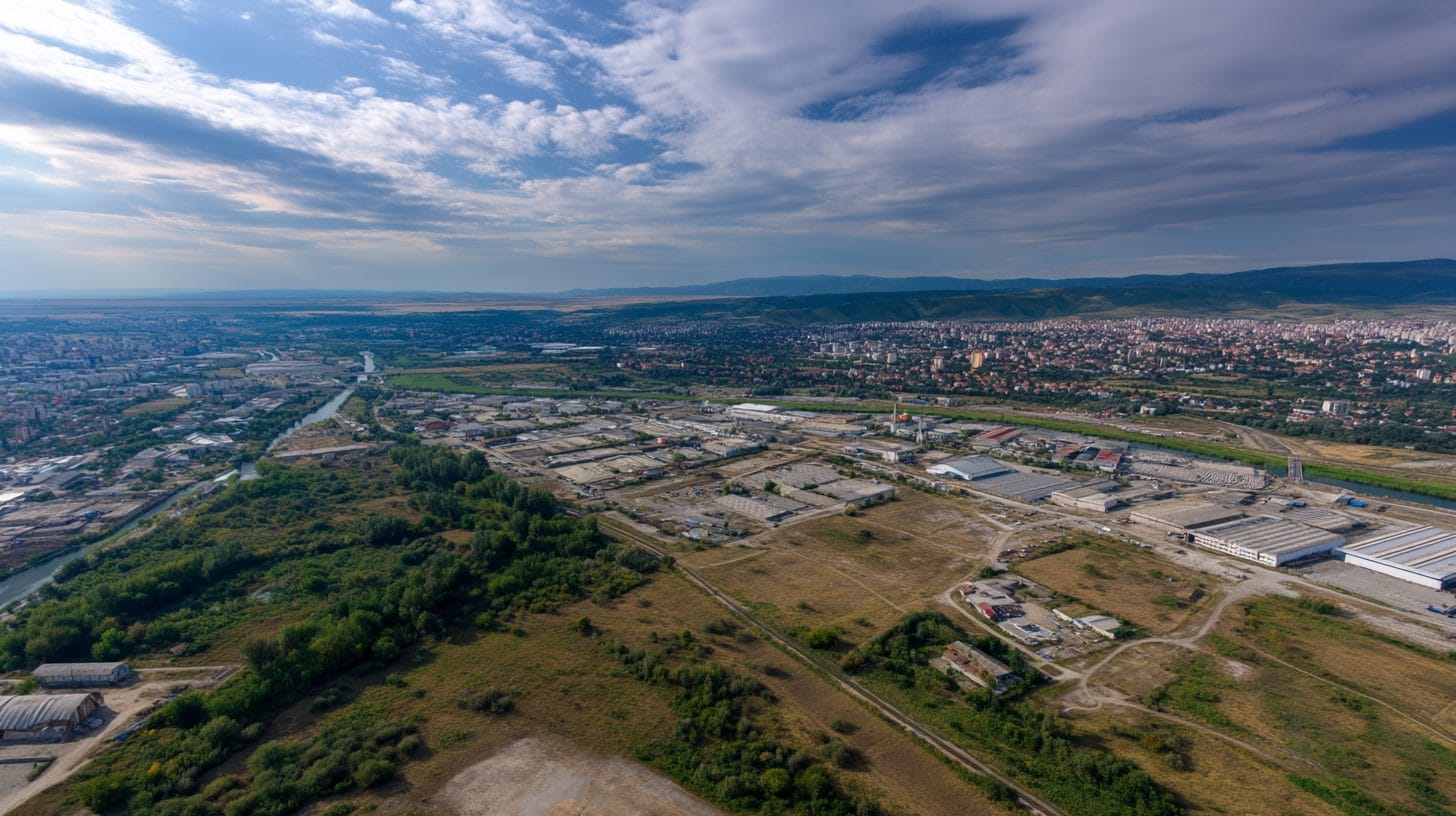
Using Local Demographic Data to Uncover Land Opportunities in Romania
In recent years, Romania has emerged as a focal point for both domestic and foreign investment, particularly in real estate and land development. With its rich cultural history, varied geography, and growing economy, the country presents an array of opportunities for investors and developers. However, to fully capitalize on these opportunities, understanding the local demographic data becomes imperative. In this article, we delve into how demographic data can be leveraged to uncover land opportunities in Romania.
Demographic data encompasses a range of statistics that provide insights into the characteristics of the population in a certain area. This can include age distribution, migration patterns, income levels, educational attainment, and more. Analyzing this data is essential for identifying current trends as well as predicting future developments in various regions of Romania.
The Importance of Demographic Data
Demographic data serves as the backbone for critical decision-making. For investors looking to enter the Romanian market, understanding the population dynamics can enhance their investment strategies. For instance, areas with a growing younger population may present opportunities for developing residential units aimed at first-time homebuyers, while regions with an aging population might benefit from healthcare facilities and retirement communities.
Moreover, understanding the income levels of different demographics can help developers focus their efforts on projects that are more likely to draw interest, ensuring a higher return on investment. For example, affluent areas can support luxury housing and commercial spaces, whereas low-income areas might require affordable housing solutions.
Identifying Undervalued Areas
One of the most effective uses of demographic data is in identifying undervalued or up-and-coming areas. Romania’s urban landscape has seen significant shifts, particularly following its accession to the European Union and the subsequent influx of European funds for infrastructure development. Analyzing demographic trends, such as population growth in smaller cities or emerging suburbs, can reveal hidden gems that are ripe for investment.
For instance, cities such as Cluj-Napoca and Timișoara have experienced considerable population growth driven by local universities and tech hubs. These areas are not only attracting younger people seeking employment but also encouraging businesses to set up shop. Investors who recognize these trends can acquire land at lower prices before values skyrocket as demand increases.
Urban vs. Rural Dynamics
Romania features a contrasting demographic divide between urban and rural areas. While urban spaces are experiencing growth and modernization, many rural communities face depopulation issues as younger residents migrate to cities for better job opportunities. Understanding this divide can direct investment decisions.
In urban areas, demographic data can highlight the need for mixed-use developments that cater to increasing urban populations. Conversely, rural areas may warrant investment in sustainable agricultural practices or leisure facilities aimed at attracting city dwellers looking for weekend getaways, bolstering the rural economy.
Population Movement and Migration Patterns
Analyzing migration patterns is vital for predicting and understanding the dynamics of land opportunities in Romania. Internal migration trends, often characterized by the movement of people from rural to urban areas, create a demand for residential and commercial real estate in cities. Additionally, there is an increasing trend of Romanians returning from abroad, injecting fresh capital into local economies and increasing the demand for housing and services.
Furthermore, the arrival of foreign expatriates, particularly in the tech and business sectors, highlights the need for tailored residential solutions. This demographic data can be harnessed to strategically position real estate developments in urban centers where the expatriate community is concentrated.
Economic Factors
The interplay between demographic data and economic factors can lead to lucrative land opportunities in Romania. Regions with higher employment rates tend to attract more residents, thereby increasing demand for housing and commercial spaces. Understanding the workforce demographics—such as educational achievements and skills—can also offer insights into the types of real estate that will succeed in the market.
Supporting businesses and industries can further enhance land opportunities. Areas with a burgeoning tech scene or industrial growth can benefit from nearby residential developments, ensuring convenience and a built-in customer base for local businesses.
Future Trends and Planning
The predictive aspect of demographic data is invaluable for long-term planning. By analyzing trends, stakeholders can anticipate future demands and align their projects accordingly. For instance, if data shows an expected population increase in a particular region, investors can prepare by securing land for residential developments or schools, thereby meeting future needs.
Moreover, demographic shifts driven by societal changes—such as the rise of telecommuting post-pandemic—might encourage a reassessment of land use. Areas previously considered less desirable may become attractive due to increased remote work opportunities, allowing for innovative land developments that cater to changing lifestyles.
Sustainability Considerations
As environmental awareness grows, demographic data can also support sustainability initiatives. Regions with younger populations may prioritize eco-friendly housing, while areas with aging populations might require energy-efficient solutions designed for elderly residents. Understanding these preferences allows developers to tailor their offerings accordingly, meeting both market demand and environmental standards.
Leveraging Technology for Data Analysis
With advancements in technology, accessing, collecting, and analyzing demographic data has become more manageable. Geographic Information Systems (GIS) allow developers and investors to visualize data spatially, making it easier to identify trends and make informed decisions. Additionally, the use of big data analytics can uncover intricate patterns that may not be obvious through traditional methods.
By utilizing these technological advancements, stakeholders in the Romanian land market can gain deeper insights into demographic trends, enabling them to pinpoint the most promising opportunities.
Conclusion
In summary, harnessing local demographic data is crucial for uncovering land opportunities in Romania. Understanding population characteristics, migration patterns, and economic factors equips investors and developers with the insights needed to make informed decisions. As the country continues to evolve, those who leverage demographic data will be well-positioned to capitalize on the exciting opportunities that Romania has to offer. Positioning one’s investments with the power of actionable insights derived from demographic data is not only wise but essential in navigating the complex landscape of land opportunities in Romania.
Interested in Land Investment in Romania?
We specialize in high-yield land and property opportunities for serious investors.
VIEW OUR CURRENT PORTFOLIOSecure your investment with Land For Investors.

Published: April 16, 2025