

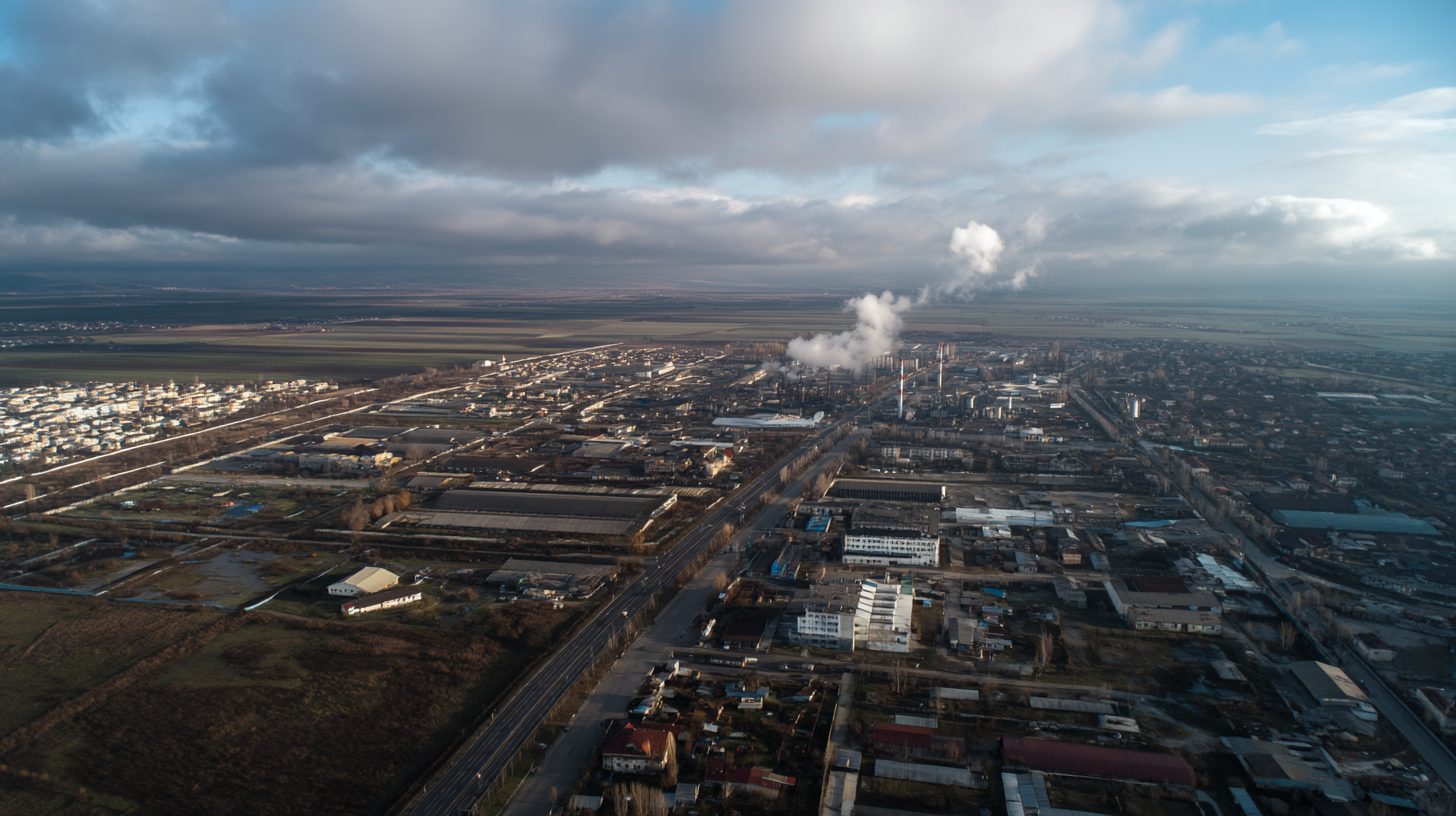
The Role of Market Timing in Land Investments in Romania
In recent years, Romania has emerged as a notable player in the real estate sector, particularly in land investments. The country’s strategic location, coupled with its growing economy, has attracted both local and foreign investors to explore opportunities in land purchases. However, like any investment strategy, success in land investments in Romania largely hinges on market timing. Understanding the dynamics of market timing can be pivotal in making profitable decisions in this ever-evolving sector.
Market timing in land investments refers to the ability to identify the right moments to buy or sell land assets based on market conditions, trends, and economic indicators. In Romania, several factors influence market timing, including economic growth rates, urbanization trends, infrastructure developments, and legislative changes. Mastering these elements can lead to significant returns, while poor timing can result in substantial losses.
Romania’s Economic Landscape
To comprehend the significance of market timing in land investments in Romania, one must first assess the country’s current economic landscape. Romania has been experiencing steady GDP growth, driven by various sectors including agriculture, manufacturing, and technology. Additionally, the European Union’s backing has bolstered infrastructure investments, creating favorable conditions for land development.
However, economic indicators such as inflation rates, employment figures, and foreign direct investment (FDI) trends should be scrutinized. A burgeoning economy typically correlates with an increase in land prices, making it essential for investors to enter the market at opportune times. Conversely, during periods of economic contraction, land prices may decline, presenting a potential buying opportunity for savvy investors.
Urbanization Trends
Urbanization is another critical factor influencing market timing in land investments in Romania. Over the past decade, Romanian cities have witnessed significant population growth, prompting a surge in demand for residential and commercial properties. Cities such as Bucharest, Cluj-Napoca, and Timisoara have become highly sought after for land investments, leading to increased prices and competition.
Investors must stay attuned to urbanization trends and demographic shifts. As more people migrate to urban centers in search of employment and improved living standards, the demand for land will continue to rise. Recognizing the right moment to invest—in harmony with these trends—can yield substantial long-term gains.
Infrastructure Developments
Infrastructure plays a vital role in determining land value in Romania. The government has been proactive in enhancing transportation networks, including road expansions, rail improvements, and airport upgrades. Significant infrastructure projects not only improve accessibility but also contribute to increased land values in surrounding areas.
Market timing in this context involves monitoring proposed developments and government initiatives. Investors who can forecast the completion of infrastructure projects may acquire land at lower prices before values escalate due to increased accessibility. Timing investments strategically can amplify returns once the projects are completed and populated.
Legislative Changes and Land Use Regulations
Romania’s legislative landscape regarding land use and property rights is continually evolving. Understanding the impact of these regulations is crucial for successful land investments. Recent changes aimed at simplifying land acquisition processes and enhancing property rights have made the market more accessible.
Investors should remain vigilant regarding legal developments and zoning laws that may affect land value. Identifying the moment when regulations become favorable for land investments can lead to significant advantages. For instance, changes that facilitate easier permits or reduce bureaucratic hurdles can serve as a signal for optimal buying opportunities.
Seasonal and Cyclical Trends
Like many real estate markets worldwide, the Romanian land market experiences seasonal and cyclical trends. Traditional peak seasons, such as spring and summer, often see increased activity as investors seek to capitalize on favorable weather conditions for construction and development.
Cyclical trends may correspond to broader economic cycles, with upturns leading to increased demand and downturns resulting in decreased land prices. Investors should be aware of these cyclical patterns and align their buying or selling strategies accordingly, leveraging peak times to maximize returns.
The Importance of Market Research and Analysis
Successful market timing in land investments in Romania necessitates thorough market research and forecasting. Investors should leverage data analytics, local market reports, and expert insights to understand market dynamics effectively. This includes analyzing historical trends, regional pricing variations, and emerging market hotspots.
Furthermore, investors should develop a sound methodology for setting their investment goals, considering factors such as risk tolerance, investment horizons, and target returns. Establishing a comprehensive investment strategy that incorporates market timing will ensure investors remain well positioned to take advantage of favorable circumstances in the land investment sector.
Networking and Local Partnerships
Building a robust network of industry professionals, including real estate agents, property developers, and local government officials, can enhance an investor’s ability to navigate the Romanian land market. Local partnerships and connections can provide valuable insider information regarding market trends, upcoming projects, and potential investment opportunities.
Through effective networking, investors may gain access to off-market deal opportunities, enabling them to capitalize on price advantages before assets become widely recognized and in demand. Establishing trusted relationships can be a fundamental component of achieving success in timing land investments in Romania.
Long-term Investment Strategies
While market timing plays a critical role in successful land investments, investors should also consider long-term strategies. The Romanian land market, while sensitive to economic shifts, exhibits a tendency for eventual appreciation over time. Thus, approaching investments with a long-term perspective can mitigate instances of poor market timing.
Investors are advised to focus on land with growth potential, such as plots located in emerging districts or those positioned near upcoming infrastructure projects. These types of investments may require patience and a willingness to hold onto assets over extended periods until market conditions align favorably.
Conclusion
The role of market timing in land investments in Romania cannot be overstated. With Romania’s evolving economic landscape, urbanization trends, infrastructure developments, and regulatory changes, investors must be equipped to identify optimal buying and selling moments. By conducting thorough market research, building local networks, and adopting long-term investment strategies, investors can enhance their chances of securing lucrative land opportunities in the Romanian market.
As the real estate sector continues to grow and adapt, understanding market timing will remain a fundamental aspect of successful land investment strategies in Romania. By remaining vigilant and informed, investors have the potential to achieve significant returns in a landscape ripe with opportunity.
Interested in Land Investment in Romania?
We specialize in high-yield land and property opportunities for serious investors.
VIEW OUR CURRENT PORTFOLIOSecure your investment with Land For Investors.

Published: April 16, 2025