

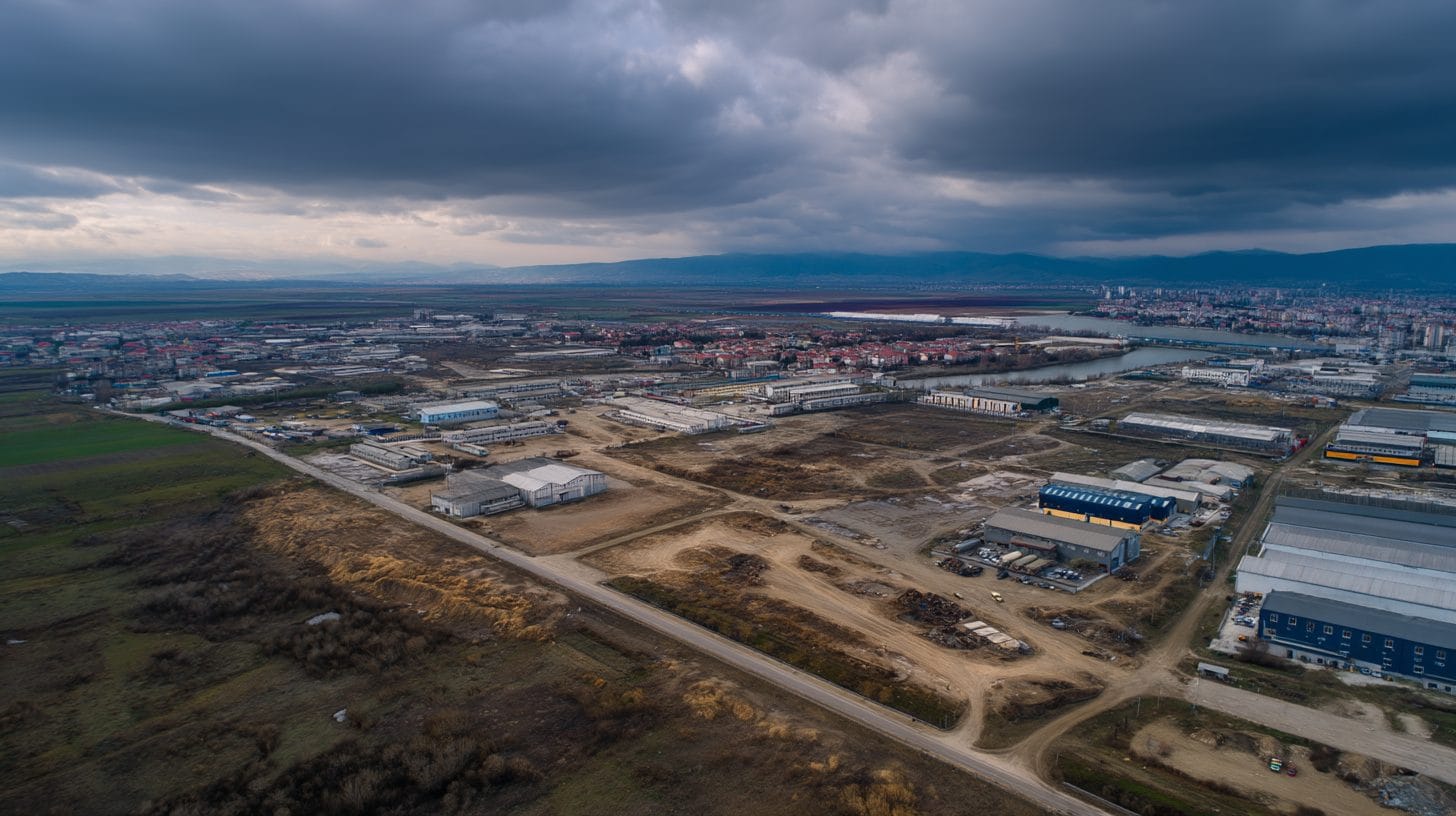
Tips for Evaluating the Profitability of Land Investments in Romania
Romania has emerged as one of the most promising Eastern European countries for land investments, with diverse landscapes, a favorable climate, and a growing economy attracting various domestic and international investors. As the profitability of land investments in Romania becomes increasingly appealing, a thorough evaluation is essential for identifying lucrative opportunities. This article provides valuable insights and practical tips for investors looking to assess the profitability of land investments in Romania.
Understanding the Market Dynamics
Before diving into the specific factors that influence land investment profitability, it is crucial to understand Romania’s unique market dynamics. The country boasts a rich history, cultural diversity, and geographical advantages, making it a desirable location for different types of land usage, such as agricultural, commercial, residential, or recreational. The rapid urbanization and economic growth in cities like Bucharest, Cluj-Napoca, and Timișoara contribute to the demand for land, which can significantly influence its profitability.
1. Research Local Real Estate Trends
A successful land investment hinges on comprehensive research. Analyzing local real estate trends is essential for understanding demand and price fluctuations. Look for reports, articles, and statistical data that offer insights into property values, rental market conditions, and demographic changes. Websites dedicated to real estate trends or governmental reports can provide invaluable information. Engaging with local real estate agents and attending property expos can also enhance your understanding of the market.
2. Assess Location and Accessibility
The location of a piece of land plays a pivotal role in its profitability. Investors must assess factors such as proximity to major transportation routes, urban centers, and existing infrastructure. Land that is easily accessible tends to command higher prices and is likely to appreciate more rapidly. Consideration should also be given to future construction plans or infrastructure improvements in the area, as these factors can dramatically influence a land’s value over time.
3. Evaluate Land Zoning Regulations
Understanding land zoning regulations is crucial when evaluating profitability. Different zones permit specific types of development, which can affect potential returns on investment. Investors should familiarize themselves with the local zoning laws that dictate what can and cannot be done with the land. For instance, agricultural land may take time to convert to residential use, impacting short-term profitability. Analyzing the potential for rezoning and upcoming regulatory changes is equally important, as these can enhance or diminish investment potential.
4. Identify Economic Development Plans
Governments often play a significant role in shaping the economic landscape of a region. Investors should investigate government initiatives aimed at promoting economic growth. These may include tax incentives for businesses, development grants, and urban renewal projects, all of which can drive land prices higher. Monitoring changes at the national and local government level can provide critical insights into the profitability of land investments in Romania.
5. Review Land Characteristics
The physical attributes of the land are essential factors to consider when assessing its investment potential. Analyze the land’s size, shape, geological features, soil quality, and any topographical advantages or disadvantages. For agricultural investments, soil fertility and water availability are key components. For commercial or residential developments, aspects like elevation and landscape can impact the feasibility and aesthetic appeal of projects.
6. Consider the Development Costs
Calculating the profitability of land investments in Romania requires a comprehensive understanding of the associated development costs. These can encompass land acquisition, site preparation, construction, landscaping, and ongoing maintenance expenses. Investors should account for both direct and indirect costs to avoid unexpected financial burdens. Engaging with architects, contractors, and financial advisors can help develop a realistic budget that encompasses all necessary expenditures.
7. Analyze Market Demand
Market demand for specific types of land can fluctuate based on various factors, including economic conditions, population growth, and lifestyle changes. Investors should seek to understand the target market for their land investment, whether it’s residential buyers, commercial enterprises, or agricultural operators. Keeping a pulse on trends, such as increased interest in sustainable living or tourism development, can provide valuable insights into potential profitability.
8. Investigate Comparable Sales
One effective method for assessing the profitability of land investments in Romania is to conduct a comparative market analysis (CMA). By examining recent sales of comparable properties, investors can gauge the market’s value for a specific type of land within a particular area. A well-executed CMA considers aspects such as location, size, zoning, and overall condition of the land. This benchmarking can inform purchasing decisions and projected future value.
9. Consult with Local Experts
Engaging local property experts, including real estate agents, appraisers, and land surveyors, can provide crucial insights into the land investment process. These professionals offer a wealth of knowledge regarding the intricacies of the Romanian real estate market, zoning laws, and market trends. Their experience can help mitigate risks and uncover investment opportunities that may not be readily apparent to inexperienced investors.
10. Evaluate the Exit Strategy
Finally, investors must develop a clear exit strategy, assessing how they plan to recoup their investment. Various options may be available, such as selling the land after appreciation, leasing it for income, or developing it for specific uses. Evaluating market conditions, potential buyers, and future developments can inform decisions that align with the desired investment timeline and profitability goals.
Conclusion
Evaluating the profitability of land investments in Romania requires a multifaceted approach. By conducting in-depth research, understanding regulatory frameworks, and leveraging the expertise of local professionals, investors can position themselves for success. The insights provided in this article aim to furnish aspiring investors with the necessary tools to make informed decisions, optimizing their chances to achieve long-term profitability in Romania’s evolving real estate landscape.
Investors should remain vigilant about changes in market dynamics, maintain flexibility in their strategies, and develop a comprehensive understanding of the land investment landscape. With a commitment to thorough evaluation, the opportunities for profitable land investments in Romania are boundless.
Interested in Land Investment in Romania?
We specialize in high-yield land and property opportunities for serious investors.
VIEW OUR CURRENT PORTFOLIOSecure your investment with Land For Investors.

Published: April 11, 2025