

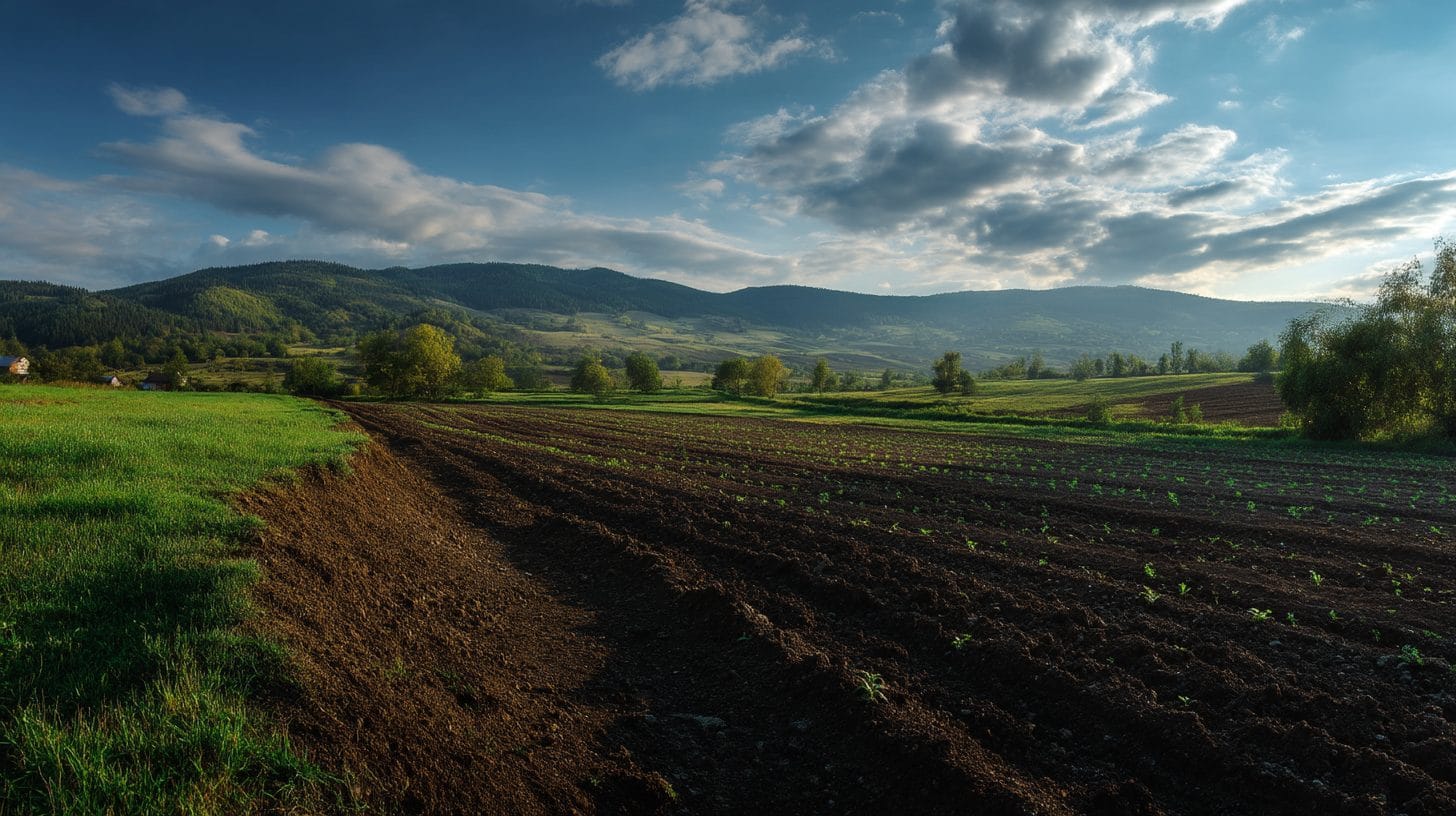
Creating a long-term land investment strategy in Romania involves a detailed understanding of the real estate landscape, regional trends, legislative frameworks, and economic conditions. This article provides a comprehensive guide to developing an effective long-term land investment strategy tailored to the Romanian market. Whether you are a local investor or an international buyer seeking opportunities in Romania’s diverse regions, having a structured approach to land investment can yield significant returns over time.
Understanding the Romanian Market
Romania’s real estate market has undergone significant transformations in recent years, driven by economic growth, EU integration, and urbanization. Major cities like Bucharest, Cluj-Napoca, and Timișoara are witnessing a surge in property development, driven by both domestic and international demand. Understanding local market dynamics, including demographic trends, demand for housing and commercial spaces, and zoning regulations, will be crucial in developing your long-term land investment strategy in Romania.
Key Factors Influencing Land Investment in Romania
When crafting a long-term land investment strategy for Romania, several critical factors must be considered:
Economic Indicators: Evaluate the economic stability and growth indicators of Romania. This includes GDP growth, unemployment rates, inflation, and the country’s overall financial health. Real estate investments typically thrive in a robust economic environment, characterized by rising incomes and consumer spending.
Location: The geographical position of the land is paramount. Investors should identify regions poised for growth. Urban areas and regions with planned infrastructure projects or significant government investments tend to offer better opportunities for long-term appreciation.
Zoning Regulations: Familiarize yourself with zoning laws and land-use regulations in Romania. Different municipalities may have varying rules that affect the type of development allowed on a property. Understanding these regulations can prevent legal complications and ensure your investment aligns with local planning initiatives.
Market Demand: Analyze the current and projected demand for residential, commercial, and industrial spaces in your target area. Investing in regions with sustained demand can significantly improve the success of your investment in the long run.
Identifying Your Investment Goals
A crucial step in formulating your long-term land investment strategy in Romania is to clearly define your investment goals. This involves:
Targeting Returns: Determine the expected return on investment (ROI) that aligns with your financial goals. This could mean choosing properties in areas anticipated to experience rapid appreciation or opting for rental properties that can generate steady cash flow.
Investment Horizon: Decide on your investment timeline. Are you looking at short-term gains or long-term holding? A long-term approach generally allows for better risk mitigation, especially in fluctuating markets.
Risk Appetite: Assess your risk tolerance. Different investments carry varying levels of risk, and identifying your comfort level will guide your land acquisition choices.
Research and Due Diligence
Conduct thorough research to inform your investment decisions. Due diligence involves meticulously vetting potential land properties. This covers:
Title Verification: Ensure that the property has a clear title, free of encumbrances or legal disputes. Engaging a local attorney experienced in property law can mitigate risks during this process.
Land Surveys: Obtain a professional land survey to confirm the size and boundaries of the property. This helps avoid future disputes concerning land ownership.
Environmental Assessments: Assess the land for environmental issues, such as contamination or zoning restrictions that could influence its future use or value.
Market Analysis: Perform comprehensive market analysis, examining similar property sales in the area to gauge fair market value and potential growth.
Networking and Partnerships
Building a robust professional network can facilitate your long-term land investment strategy in Romania. Key relationships may include:
Real Estate Agents: Collaborate with knowledgeable real estate agents specializing in Romanian land markets to gain insights into available properties and market trends.
Legal Advisers: An expert in Romanian property law will be invaluable for navigating legalities and ensuring compliance with local regulations.
Financial Institutions: Establish connections with banks or financial services specializing in property financing in Romania to explore your funding options and secure favorable loan terms.
Government Agencies: Developing relationships with local government departments can provide insights into future development projects, zoning changes, and urban planning initiatives.
Implementation of a Diversified Investment Portfolio
A successful long-term land investment strategy in Romania often involves diversification. This can include investing in various types of properties, such as:
Residential Land: Consider areas with strong demand for housing, especially in urban centers where population growth is expected.
Commercial Properties: Evaluate opportunities in commercial real estate, such as retail or office spaces, particularly in growing economic zones.
Agricultural Land: Take into account Romania’s rich agricultural heritage and potential for investment in farmlands, especially in rural regions where agricultural practices are thriving.
Monitoring and Adapting Your Strategy
Once your investment strategy is implemented, ongoing monitoring and evaluation are essential. Regularly assess market conditions, review the performance of your investments, and make necessary adjustments to your strategy. Economic shifts, changes in demand, or unexpected developments can impact your investment’s performance, necessitating adaptability to changing circumstances.
Leveraging Technology
Utilizing technology is indispensable in today’s real estate market. Advanced tools can aid in:
Data Analysis: Use market analytics platforms to track property values, demographic shifts, and economic indicators that may affect your investments.
Property Management Software: Employ property management solutions to effectively handle rental properties, monitor financial performance, and facilitate communication with tenants.
Virtual Tours and Drone Photography: Enhance property marketing through modern technologies like virtual tours or aerial photography, particularly in showcasing larger land parcels or unique properties.
Conclusion
In summary, developing a long-term land investment strategy in Romania involves a multifaceted approach encompassing market understanding, defined goals, diligent research, professional networks, diversification, monitoring, and leveraging technology. By following the insights provided in this article, investors can position themselves to make informed decisions that align with their financial objectives and capitalize on Romania’s promising real estate landscape.
Adopting a methodical and informed approach to land investment in Romania not only safeguards your financial future but also contributes to the growth and development of the regions in which you invest. With careful planning and execution, your long-term land investment strategy in Romania can lead to fruitful outcomes for years to come.
Interested in Land Investment in Romania?
We specialize in high-yield land and property opportunities for serious investors.
VIEW OUR CURRENT PORTFOLIOSecure your investment with Land For Investors.

Published: April 11, 2025