

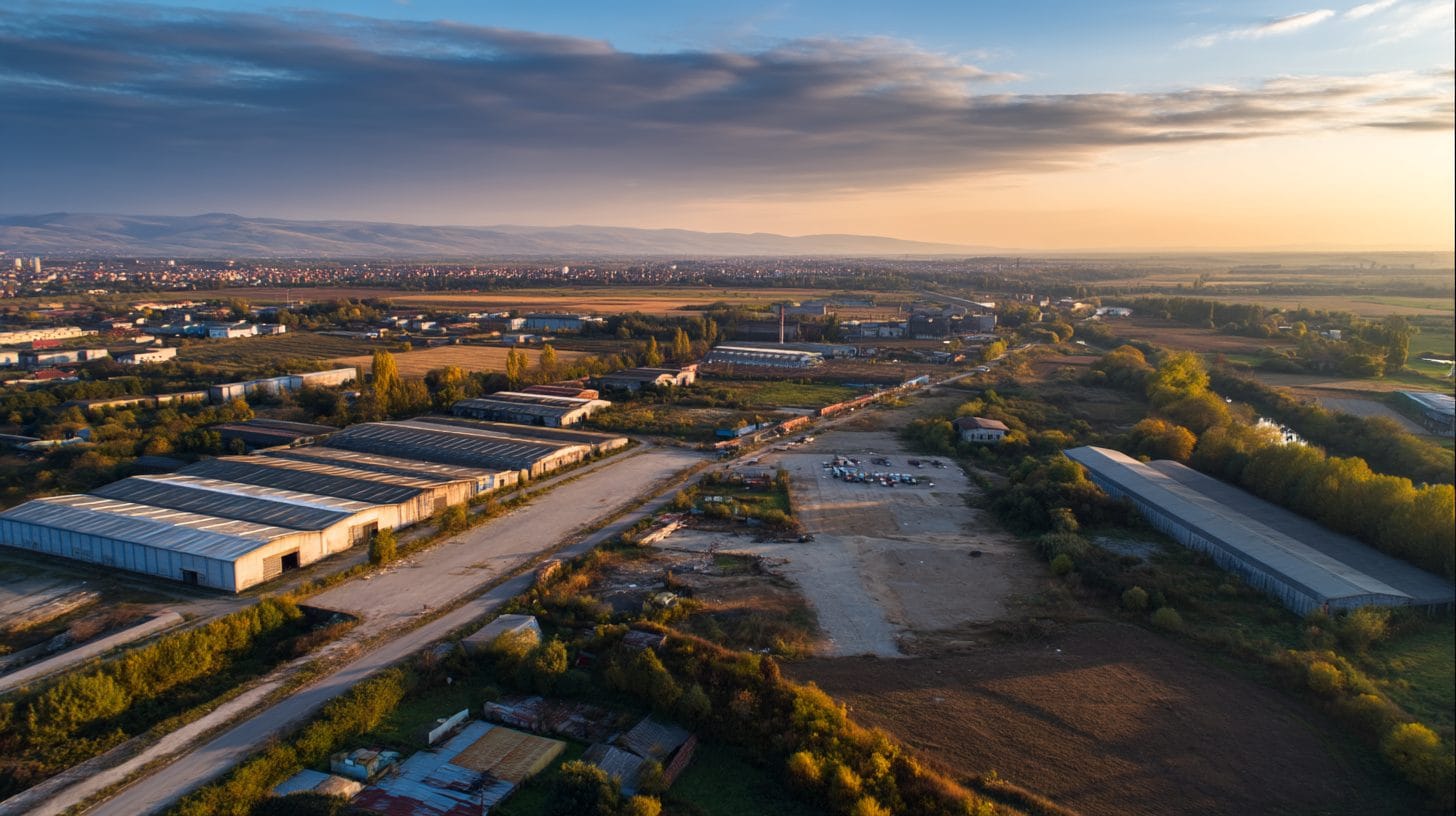
Tips for Evaluating Land That’s Priced Below Market Near Bucharest
The real estate market in Romania, especially around the capital city of Bucharest, has been experiencing dynamic growth over the past few years. It is not uncommon for buyers and investors to come across opportunities in the form of below market land Bucharest priced properties. While the prospect of purchasing land at a bargain can be enticing, careful evaluation is essential to ensuring that your investment is sound. This article will provide key tips to help you navigate the complexities of purchasing below market land near Bucharest.
Understand the Local Real Estate Market
Before diving headfirst into a property purchase, it is crucial to develop a comprehensive understanding of the local real estate landscape. Research the Bucharest market trends to familiarize yourself with pricing, neighborhood dynamics, and growth potential. By benchmarketing recent sales data and understanding how below market land Bucharest fits into the broader market context, you can make more informed decisions.
Engage a Local Real Estate Agent
Recruiting the services of a knowledgeable local real estate agent can be immensely valuable. A seasoned agent understands the nuances of the Bucharest market and can provide insights and information that may not be readily available. They can help you identify below market land opportunities and guide you through the complexities of due diligence, negotiations, and paperwork. Ensure that your agent has a track record of working with land transactions to maximize the benefits of their expertise.
Conduct Thorough Due Diligence
Due diligence is the cornerstone of a successful real estate investment, particularly when it comes to below market land Bucharest offers. Investigate the following aspects thoroughly:
1. Title Verification: Ensure that the land title is clear and free of encumbrances. This involves hiring a legal expert to review all documents and confirm ownership and rights to the property.
2. Zoning Regulations: Check local zoning laws to understand how the land can be utilized. Zoning classifications dictate what types of structures can be built, and there may be restrictions ranging from residential to commercial uses.
3. Land Use and Development Plans: Research any future development plans in the area. Publicly available government documents can provide insights into proposed infrastructure projects that may impact land value.
4. Environmental Assessments: Carry out an environmental assessment to identify any potential hazards. Issues such as soil contamination or unstable ground can significantly affect the usability and value of the land.
Assess Accessibility and Infrastructure
The accessibility of the land plays a critical role in its ultimate value. Evaluate the quality of roads, access to public transportation, and proximity to essential services like schools, hospitals, and shopping facilities. Check if there are plans for future infrastructure developments, such as highways or public transit expansions, as these can enhance property values exponentially. Properties that are easily accessible and well-connected to amenities tend to hold their value better over time.
Evaluate the Surrounding Neighborhood
Properties priced below market may be located in areas experiencing a downturn or requiring revitalization. Conduct a thorough evaluation of the neighborhoods surrounding the property. Look for indicators of growth, such as new businesses opening, community development initiatives, or increased demand for housing. Speak to local residents to get a sense of community dynamics, safety, and overall satisfaction levels. A burgeoning neighborhood can present an excellent opportunity for appreciation in land value over time.
Inspect the Property
Once you have narrowed down your options, a physical inspection of the property is vital. Assess the boundaries, land topography, and physical characteristics that may influence future development. Be sure to check for easements, rights-of-way, or issues such as flooding or drainage problems that could impact usability. Arranging for professional land surveying can provide a more accurate understanding of the property limits and land characteristics.
Ascertain Financing Options
Understanding your financing options is key when considering below market land Bucharest opportunities. Determine your budget and evaluate various financing methods, including traditional mortgages, land loans, or alternative financing solutions. Be aware that some lenders may have stricter criteria for land purchases compared to residential properties, particularly for undeveloped land. Make sure to account for potential costs such as property taxes, homeowners’ association fees, and insurance into your overall investment calculations.
Consider Long-Term Potential
When evaluating below market land near Bucharest, envision its long-term potential through various lenses. Assess how the surrounding area is likely to develop in the next five to ten years and factor this into your decision-making process. Perform market analyses that project future selling prices, rental income, and other financial metrics that can inform your investing strategy.
Work with a Real Estate Attorney
Finally, enlisting the services of a qualified real estate attorney is indispensable when purchasing land. With the complexities associated with property transactions, a skilled attorney can help navigate contracts, ensure compliance with all legal requirements, and mitigate risks. This is particularly important when pursuing below market land, where complications may arise that require legal expertise and resolution.
Be Prepared for the Unexpected
Purchasing below market land Bucharest can yield significant returns, but it is also accompanied by risks. Therefore, be prepared to deal with unexpected challenges, such as changes in zoning laws, fluctuating market conditions, or unforeseen environmental issues. Building a contingency plan can help you respond effectively to any unforeseen circumstances.
In conclusion, while the prospect of acquiring below market land near Bucharest can be enticing, conducting thorough evaluations across various dimensions is essential. By taking the time to understand the local market, engaging professionals, and gathering pertinent information about the property, you can improve your likelihood of making a sound and rewarding investment. Each piece of land comes with its own set of challenges and opportunities, and being methodical in your approach can vastly enhance your investment experience and long-term gains.
Interested in Land Investment in Romania?
We specialize in high-yield land and property opportunities for serious investors.
VIEW OUR CURRENT PORTFOLIOSecure your investment with Land For Investors.

Published: March 13, 2025