

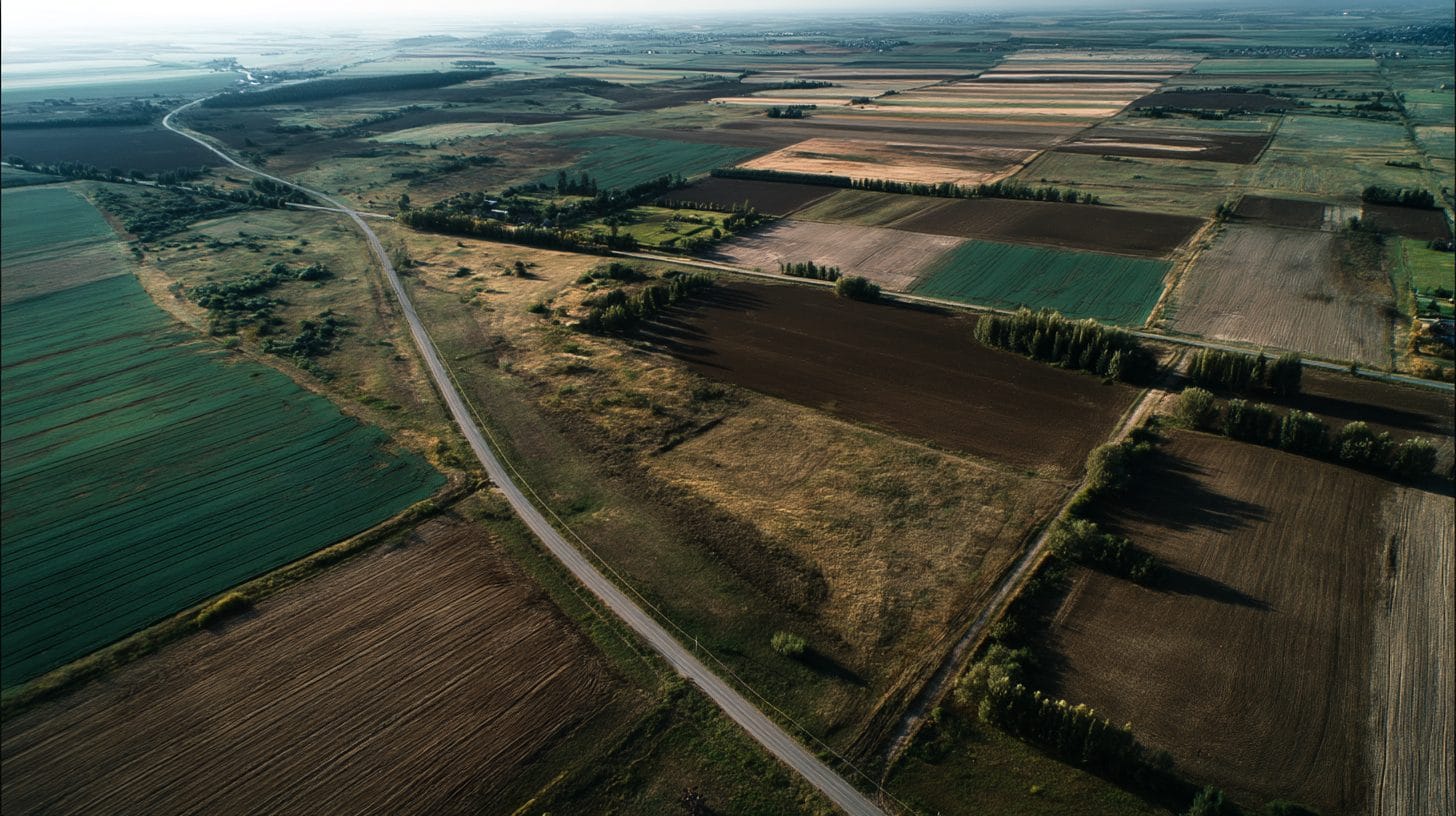
How to Identify Land Suitable for Mixed-Use Developments Near Bucharest
As urbanization accelerates and the demand for sustainable, multifunctional living spaces continues to rise, the allure of mixed-use developments in and around Bucharest has become increasingly prominent. Characterized by their integration of residential, commercial, and recreational spaces, mixed-use projects deliver numerous benefits, including enhanced convenience, reduced reliance on vehicular transport, and the promotion of a vibrant community atmosphere. However, the task of identifying suitable land for these developments requires thorough research, strategic planning, and an understanding of various quantitative and qualitative factors.
In this comprehensive guide, we will explore the essential steps involved in identifying mixed-use land in Bucharest and its surrounding areas, shedding light on the critical considerations that developers and investors should keep in mind.
Understand the Definition and Benefits of Mixed-Use Land
Before embarking on the search for mixed-use land in Bucharest, it’s crucial to grasp the concept itself. Mixed-use developments combine different types of land use, allowing for residential units, commercial spaces, offices, and recreational facilities within a single project. This integration fosters urban density and creates synergies among different activities, leading to a lively and interconnected community.
The benefits of mixed-use developments are numerous. They enhance walkability, reduce commute times, promote local economies, and encourage community engagement. Additionally, they often attract younger populations seeking a vibrant lifestyle, thus conceivably offering a higher return on investment for developers.
Assessing Zoning Regulations and Land Use Policies
Land suitability begins with understanding the zoning regulations and land use policies that govern potential locations. In Bucharest, local authorities have established various zoning classifications that dictate what types of developments can occur in specific areas. It’s important to review the current zoning maps and head to the local municipality’s planning department for the most current regulations.
When evaluating potential sites for mixed-use developments, key considerations include permissible heights, land use ratios, and any area-specific conditions or requirements. Conducting this due diligence early on can save future complications or the need for costly re-zoning processes.
Identifying Key Locations and Accessibility
When it comes to assessing land suitable for mixed-use developments, location is paramount. In Bucharest, certain districts and neighborhoods exhibit potential due to their accessibility, demographic trends, and economic vitality.
Begin by compiling a list of areas experiencing growth or redevelopment. Neighborhoods undergoing revitalization may offer opportunities that traditional districts do not. Access to major transportation links, including metro lines, bus services, and major roadways, will also substantially enhance the project’s viability. Such accessibility not only connects residents with essential amenities but may also influence market demand by appealing to those looking for an urban lifestyle.
Analyzing Demographics and Market Demand
Understanding the demographics of the target area is crucial when evaluating land for mixed-use purposes. Consider conducting a market research analysis to assess population growth trends, age distribution, income levels, and household sizes.
Additionally, analyze local demand for residential units and commercial spaces. The incorporation of retail shops, cafés, educational facilities, and parks can significantly be influenced by demographic trends and preferences. Site selection should account for the desires of the local populace and reflect a clustering strategy that positions the mixed-use development in proximity to schools, hospitals, and recreational areas.
Evaluating Infrastructure and Amenities
A comprehensive assessment of the infrastructure surrounding potential mixed-use land in Bucharest is essential. Look for properties that offer adequate utilities, including water, electricity, sewage systems, and internet connectivity. Meanwhile, assess whether the surrounding neighborhood encompasses essential amenities such as grocery stores, schools, parks, and public services.
When it comes to appealing to both residents and businesses, proximity to high-quality amenities within and beyond the project is essential. Urban dwellers gravitate toward communities that offer convenience and a cohesive lifestyle, thus making infrastructure and amenity availability a top consideration in site selection.
Investigating Environmental Factors
When seeking suitable mixed-use land, understanding environmental factors is paramount. Identifying potential environmental issues can mitigate risks and ensure compliance with environmental regulations. Areas with a rich ecological background or historical significance might be protected or subject to specific requirements.
Conduct previous environmental impact assessments and consider conducting your own as necessary to identify soil conditions, flood zones, green spaces, and nearby bodies of water. Local ecological and historical factors could support community integration, as projects that respect the existing environment are more likely to garner public support.
Engaging with Local Authorities and Community
Community involvement is fundamental in the mixed-use development process. Engaging with local authorities, residents, and organizations can provide insights into community aspirations while also providing avenues for support or potential partnerships.
Presenting your vision for the project can help facilitate discussions that uncover unique local needs or desires, thereby enhancing the project’s value and acceptance. The inclusion of community spaces within the development can demonstrate responsiveness to collective interest, further fostering local support for the project.
Conducting Financial Feasibility Studies
Last but not least, conducting comprehensive financial feasibility studies is crucial in the pursuit of locating suitable mixed-use land in Bucharest. This analysis should encompass projected costs, potential revenue, funding sources, and market dynamics.
Understanding financing options specific to mixed-use developments can also be advantageous. These options may include public-private partnerships, government grants, or locally-available incentives that support sustainable development efforts. Evaluate the potential return on investment and ensure that the financial projections align with broader economic trends.
Conclusion
Identifying mixed-use land in Bucharest can be a nuanced process that necessitates a multidisciplinary approach, incorporating zoning laws, demographic analysis, community engagement, and feasibility studies. The rise in urbanization calls for innovative approaches to land use that foster community connectivity and create thriving ecosystems. By meticulously analyzing the myriad factors that influence suitable land selection, developers can pave the way for successful mixed-use projects that not only meet market demands but also contribute positively to the urban landscape of Bucharest. The potential for mixed-use developments to reshape communities and provide vibrant living options makes this endeavor both an exciting and worthwhile investment for the future.
Interested in Land Investment in Romania?
We specialize in high-yield land and property opportunities for serious investors.
VIEW OUR CURRENT PORTFOLIOSecure your investment with Land For Investors.

Published: March 13, 2025