

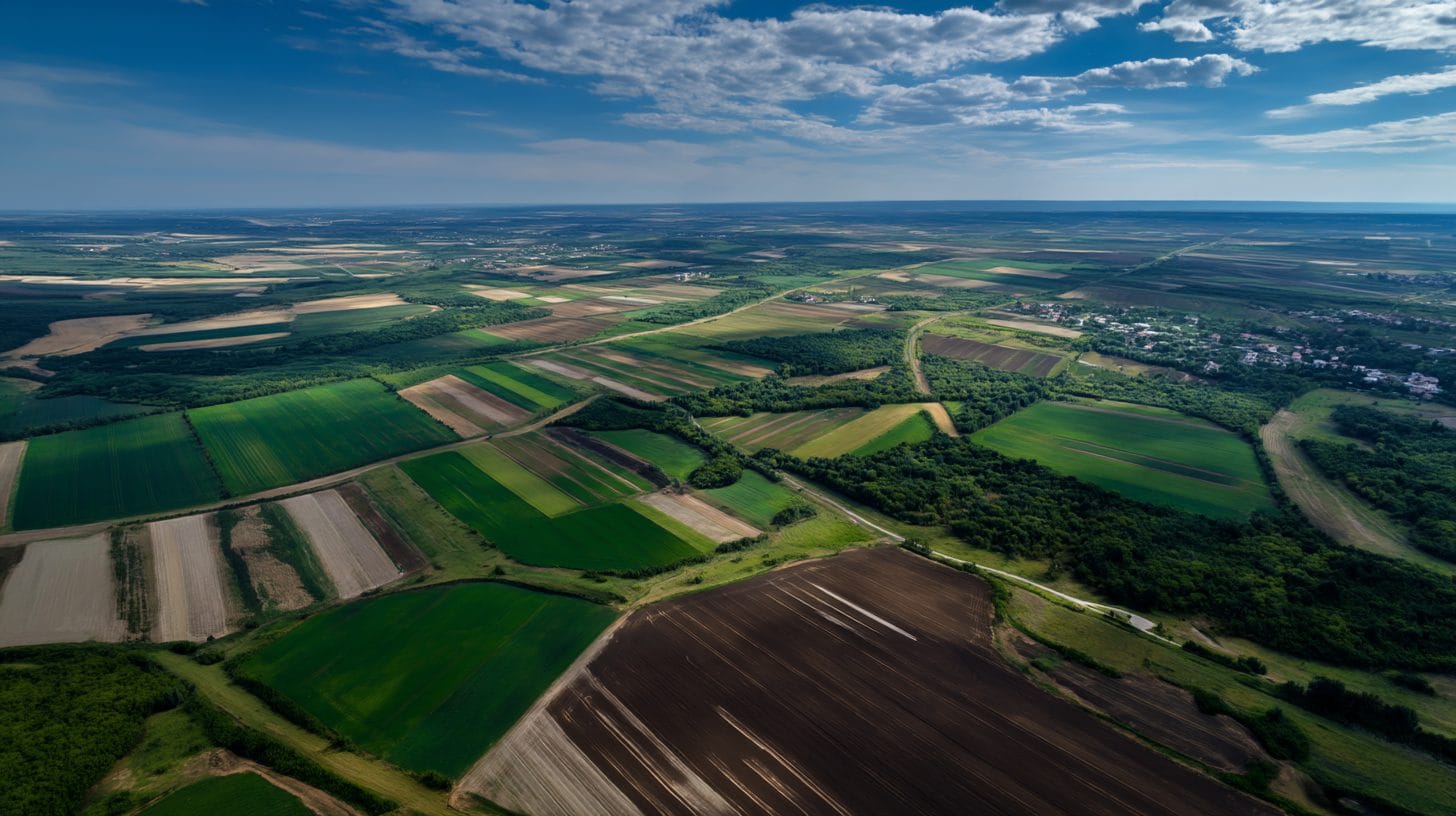
Evaluating Future Development Potential on Land Near Bucharest
As urbanization continues to spread through Europe, the area surrounding Bucharest, Romania’s capital, has become increasingly appealing for developers, investors, and individuals seeking future development potential land Bucharest. This interest stems from various factors such as growing population density, improved infrastructure, and emerging economic opportunities. With this surge in demand, it is crucial for potential stakeholders to methodically evaluate the development potential of any land acquisition in this rapidly evolving region. This article provides an in-depth guide on the critical factors to consider when assessing the future development potential of land near Bucharest.
Understanding the Market Trends
To make informed decisions regarding land investments, understanding the current market trends in the Bucharest area is essential. Factors influencing demand include urban growth patterns, demographic shifts, and investment patterns. A thorough analysis of these trends will offer insights into areas experiencing high appreciation or that are poised for future growth. Keep an eye on the local real estate market reports, as these will provide essential information on current property prices, absorption rates, and the competitive landscape.
Infrastructure Development
Infrastructure serves as the backbone for any successful development project. In evaluating the development potential of land near Bucharest, an assessment of existing infrastructure is fundamental. Key factors to assess include:
1. Transportation: Accessibility is a primary driver in real estate development. Investigate proximity to public transportation systems like metro lines, bus services, and major roadways. Future transportation projects, such as planned metro expansions or highway constructions, are also crucial to consider, as they can significantly enhance accessibility and therefore increase land value.
2. Utilities: Availability of essential services such as electricity, water, and sewage can directly affect the viability and cost of development. Ensure that the land has reliable access to utilities, as areas lacking essential services will face increased development hurdles.
3. Commercial Amenities: The presence of retail, healthcare facilities, schools, and recreational amenities can significantly enhance the attractiveness of a location. Conduct a survey to identify existing amenities and any planned developments that may benefit the area in the coming years.
Regulatory Environment
The regulatory environment surrounding real estate development in Romania consists of zoning laws, building codes, and environmental regulations that can all impact development potential. Understanding these regulations is critical when assessing the feasibility of land acquisition. Engage with local authorities and legal professionals to thoroughly understand zoning classifications, buildable area restrictions, and any potential encumbrances like easements or historic preservation regulations. This knowledge will ensure compliance and avoid potential legal complications that could hinder future development.
Land Use and Zoning Analysis
Land use planning is an intrinsic part of Ohio’s growth strategy, which directly affects property values and overall development potential. Assess the current zoning classification of the land, as this will dictate the type of development permitted on the property. Investigate nearby zoning trends and proposed changes in zoning ordinances that may impact land use in the area. If the land is not currently zoned for your intended use, research the process and implications of pursuing a zoning change.
Economic Development Initiatives
Awareness of governmental incentives and economic development initiatives can provide insights into the viability of a development project. The Romanian government, along with local municipalities, often implements tax incentives, subsidies, and grants aimed at fostering development in specific areas. Review these initiatives, as they may significantly bolster the feasibility of a project and improve the overall return on investment.
Assessing Competition
Understanding the competitive landscape is vital in evaluating land development potential near Bucharest. Conducting a comprehensive market analysis allows investors to identify existing developments, assess their successes or shortcomings, and evaluate what differentiates successful projects from others. This knowledge can help outline a development strategy that addresses market needs and gaps, ultimately leading to a more profitable venture.
Environmental Considerations
Environmental factors are crucial when assessing future development potential, as they can influence both zoning regulations and public perception. Conduct due diligence on the environmental aspects of the land, including soil quality, flood risk, and ecological features. Engaging in environmental assessments and consulting with experts will ensure compliance with regulations and help mitigate potential impacts during development.
Community Engagement and Stakeholder Analysis
Building relationships with local communities and stakeholders can provide valuable insights into the future development potential. Engaging community members through meetings and surveys can uncover local needs and preferences that might shape future projects. Additionally, developing relationships with local business owners, government officials, and non-profits can provide crucial support and information to facilitate development.
Conducting a Feasibility Study
Before making a land purchase, conducting a detailed feasibility study is essential for evaluating the viability of a proposed project. This study should encompass financial modeling, market analysis, project timelines, and potential risks. A feasibility study will provide a comprehensive overview of the projected costs, revenue potential, and return on investment, allowing you to make a more informed decision on the development potential of land near Bucharest.
Strategic Vision and Future Trends
The real estate development landscape is dynamic and subject to trends influenced by various factors, including economic, social, and technological changes. Consider how emerging trends, such as smart cities, sustainable building practices, and remote work, may affect the attractiveness of specific areas for future developments. Developing a strategic vision that aligns with these trends can maximize the potential of your land in Bucharest.
In conclusion, evaluating the development potential of land near Bucharest requires careful consideration of multiple factors, including market trends, infrastructure development, regulatory environment, economic incentives, and community engagement. Conducting thorough research and analysis, while remaining flexible and adaptive to future trends, will enhance the chances of realizing a successful development project. By focusing on these elements, stakeholders can leverage the growing interest in real estate near Bucharest, tapping into its immense development potential and reaping the rewards of a well-planned investment.
Interested in Land Investment in Romania?
We specialize in high-yield land and property opportunities for serious investors.
VIEW OUR CURRENT PORTFOLIOSecure your investment with Land For Investors.

Published: March 13, 2025