

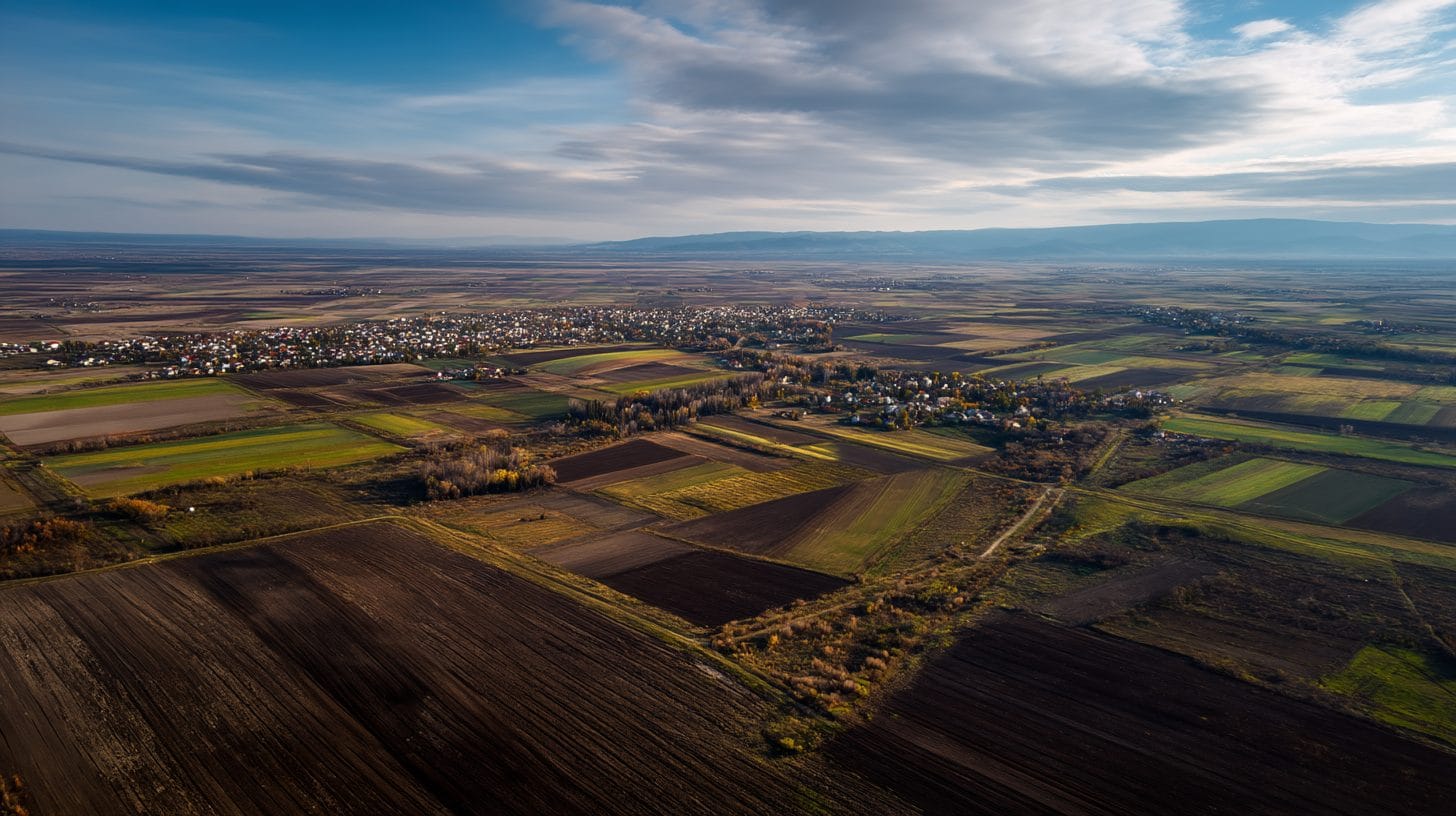
Title: How to Analyze Land Price Trends in the Greater Bucharest Area
Analyzing land price trends in the Greater Bucharest area is a crucial undertaking for investors, developers, and anyone interested in real estate. Understanding these trends can guide buyers and sellers alike in making informed decisions. Greater Bucharest, as the capital and largest city of Romania, is characterized by a dynamic real estate market influenced by various factors, including economic conditions, urban development, and cultural considerations. In this article, we will delve into the methodology and key considerations when analyzing land price trends in Greater Bucharest.
Understanding the Market Dynamics
The real estate market is highly influenced by supply and demand. The land price trends in Greater Bucharest are no exception. A fundamental understanding of the local economy, population growth, and urbanization plays a significant role in assessing land prices. Bucharest has experienced substantial growth in recent years, with a surge in infrastructure development, job creation, and increased foreign investment.
Knowledge of local zoning laws, land use regulations, and development plans can also provide invaluable context when analyzing land prices. Areas designated for commercial or residential development may experience higher price increases than those allocated for industrial uses. Additionally, proximity to key amenities such as schools, hospitals, parks, and public transport can also significantly influence land prices.
Analyzing Historical Price Trends
To effectively analyze land price trends in Greater Bucharest, one of the first steps is to gather and study historical price data. Real estate platforms, governmental repositories, and local agencies can be excellent sources for accurate historical pricing information. Look for average sales prices per square meter over various time frames—monthly, quarterly, and annually—so you can identify broader trends.
In addition to basic pricing data, it’s essential to consider macroeconomic indicators such as inflation rates, GDP growth, and employment statistics. These factors often correlate with land price movements; for instance, a booming economy typically leads to increased demand for land, resulting in heightened prices.
Utilizing Geographic Information Systems (GIS)
One of the most effective tools in analyzing land price trends is Geographic Information Systems (GIS). These systems allow for sophisticated mapping and spatial analysis of land parcels. By visualizing land price data across Greater Bucharest, analysts can easily identify hotspots where prices are rising rapidly and areas where values may be declining.
GIS tools can also incorporate various layers of information, including demographic data and infrastructure developments, enabling a more nuanced understanding of land price trends. For example, areas undergoing major transportation improvements may see a spike in land prices due to enhanced accessibility.
Identifying Key Stakeholders and Influencers
Understanding who the key decision-makers and stakeholders are in Greater Bucharest real estate can provide insights into land price trends. Engage with local real estate agencies, urban planners, and economic development organizations to gain their perspectives. Attend local government meetings or forums discussing urban planning or infrastructure improvements to stay abreast of developments that may influence land prices.
Local real estate developers’ reports can also be invaluable. Developers often have a pulse on the market trends and can provide anecdotal evidence about buyer sentiments and future expectations. Be sure to analyze both qualitative insights and quantitative data to form a holistic view.
Assessing the Impact of Infrastructure Projects
Infrastructure plays a critical role in shaping land price trends in Greater Bucharest. Roads, public transportation, and commercial developments directly affect land desirability and price. Therefore, it is vital to assess upcoming infrastructure projects and their potential impact on land prices.
For instance, the expansion of public transport lines or the development of new highways can lead to increased demand for residential and commercial land in previously less-desirable areas. Keeping a close eye on government announcements regarding new transportation initiatives or urban development projects can equip investors with potential market-moving information.
Monitoring Foreign Investment Trends
Foreign investment has become increasingly significant in the Greater Bucharest area. Whether through direct investment into real estate projects or indirect investments through property funds, foreign capital can significantly affect local land prices. Analyzing trends in foreign investments can provide insights into areas of growth and predict how these trends may shape future land price movements.
To gain a comprehensive view of this market, track foreign investment reports and collaborate with local chambers of commerce. These resources can help identify which sectors are attracting foreign interest, thus potentially influencing land prices.
Conducting Comparative Market Analysis (CMA)
A comparative market analysis (CMA) is a valuable technique to assess land price trends in Greater Bucharest. This process involves identifying similar land parcels that have recently sold and comparing their sale prices. By evaluating the differences and similarities regarding size, location, zoning, and other relevant factors, you can estimate the fair market value of land within a specific area.
CMA can be supplemented with tools like Zillow or local real estate databases to find comparable properties. This analysis establishes benchmarks and provides a clearer sense of where current prices stand relative to recent activity.
Utilizing Online Resources and Tools
Numerous online resources can assist investors and analysts in monitoring land price trends in Greater Bucharest. Real estate websites can offer valuable metrics on land sales, average pricing, and market forecasts. Social media platforms can also provide insights into public sentiment and emerging market trends.
Additionally, subscription-based platforms specializing in real estate analytics can offer in-depth market research reports and proprietary data tools. These resources can help investors stay one step ahead in understanding market conditions and forecast potential fluctuations in land prices.
Factoring in Seasonality
Finally, investors and analysts should consider the seasonal fluctuations that can impact land prices in Greater Bucharest. Like many global cities, Bucharest experiences seasonal patterns where land transactions may spike during certain months due to various factors such as climatic conditions or fiscal year-end activities.
Understanding these cyclical movements is key to anticipating potential buying or selling windows. For example, sales may decline during the winter holidays and ramp up in spring or early summer when weather conditions are more favorable for large-scale activities.
Conclusion
Analyzing land price trends in the Greater Bucharest area requires a comprehensive approach that combines quantitative data analysis with qualitative insights. Understanding the dynamics of supply and demand, leveraging GIS tools, engaging with local stakeholders, and monitoring infrastructure projects are all essential components of this analysis.
As the Greater Bucharest area continues to evolve, it is crucial to stay informed regarding macroeconomic factors, foreign investments, and regulatory changes that can affect land prices. By employing these methodologies, real estate investors, developers, and analysts can develop a robust understanding of land price trends in Greater Bucharest to make well-informed decisions moving forward.
Interested in Land Investment in Romania?
We specialize in high-yield land and property opportunities for serious investors.
VIEW OUR CURRENT PORTFOLIOSecure your investment with Land For Investors.

Published: March 13, 2025