

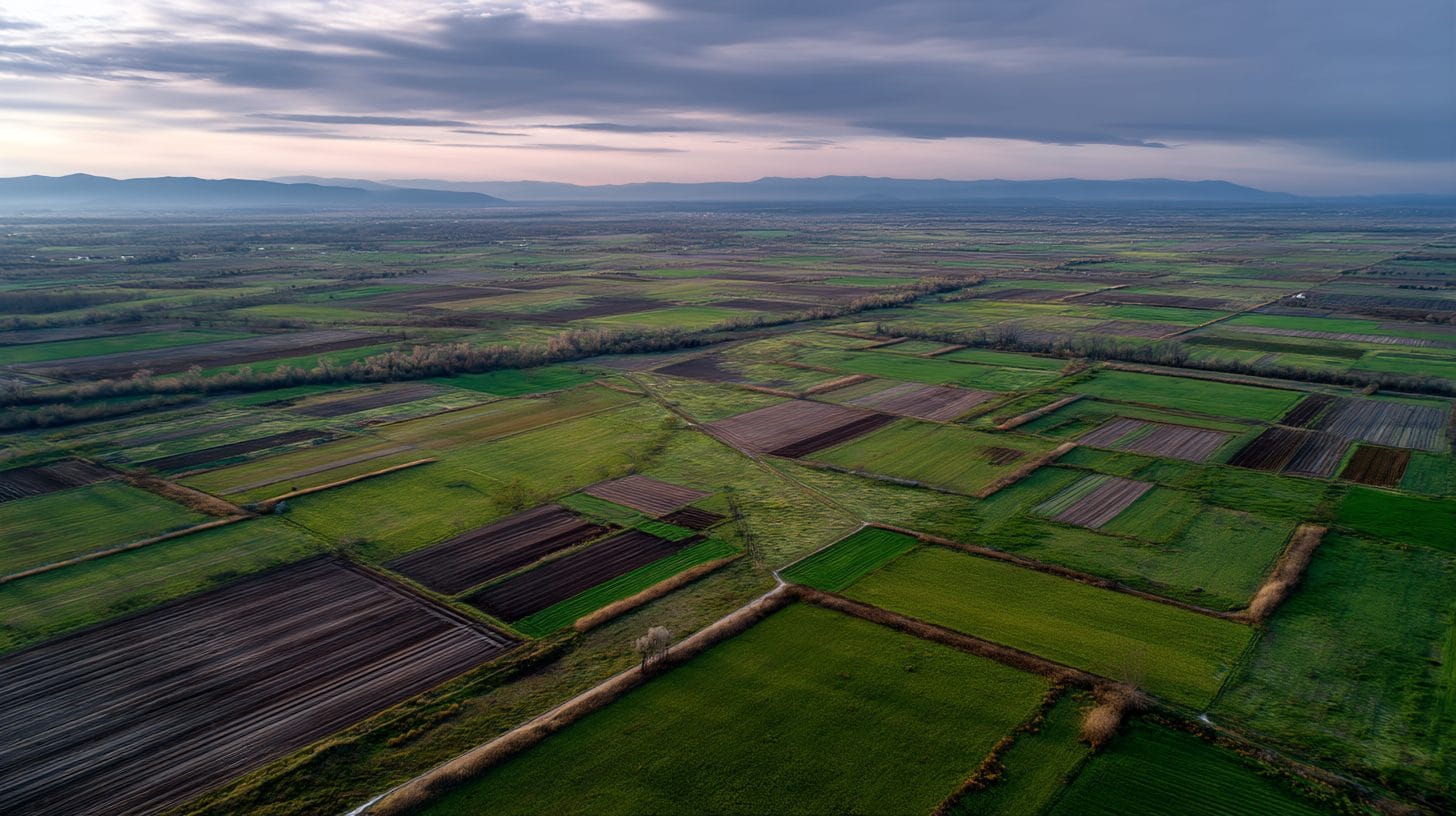
Tips for Assessing the Future Value of Romanian Land
Investors and landowners interested in Romania’s real estate market frequently need to evaluate the future value of Romanian land. This assessment involves a variety of factors and methodologies that can significantly influence investment decisions. As Romania continues to develop its economy and infrastructure, understanding these dynamics will be crucial for stakeholders looking to enhance their investment portfolios or make informed property transactions. This article aims to provide comprehensive tips for assessing the future value of Romanian land, focusing on key factors such as location, economic indicators, infrastructure development, legal considerations, and market trends.
The first strategic approach to assessing the future value of Romanian land is to consider its location. In Romania, location plays an essential role in determining property values. Urban areas like Bucharest, Cluj-Napoca, Timișoara, and Iași typically have a higher demand for land due to increased economic activities, job opportunities, and population density. Therefore, investors should focus on areas with potential for growth, such as emerging suburban regions or towns benefiting from infrastructural improvements. Conversely, land in remote or less-developed regions may appreciate at a slower rate or even depreciate, making attention to geographical context pivotal.
Another critical element to consider is the current and anticipated economic indicators in Romania. The country’s GDP growth rate, unemployment statistics, and foreign direct investment (FDI) levels can all provide valuable insights into the future economic landscape. As Romania has become increasingly attractive to international investors, a healthy economy often correlates with sustained demand for real estate, which can drive land prices upwards. Tracking changes in these economic indicators will help investors form a realistic understanding of how the future value of Romanian land may evolve.
Infrastructure development is another crucial component influencing the future value of Romanian land. The Romanian government’s commitment to improving transportation networks, such as roads, railways, and airports, will significantly impact land values. Proximity to major transportation hubs and ongoing infrastructure projects often increases land desirability. Investors should keep an eye on upcoming projects—like SMART city initiatives or EU-funded construction plans—as they can enhance the accessibility and utility of land, thus positively influencing its future value.
Legal and regulatory factors also warrant careful consideration. Understanding local zoning laws, land-use regulations, and property rights is fundamental to assessing land value in Romania. These regulations can dictate how land can be developed, thereby impacting its market potential. Investors should research recent trends or discussions regarding changes in land laws and regulations, as shifts in legislation can dramatically influence land valuation. Consulting with local legal experts can provide clarity and ensure compliance with Romanian property law.
The real estate market trends specific to Romania must not be overlooked. A thorough analysis of recent sales data, price trends, and demand fluctuations will provide insight into market sentiment. Websites offering property listings, market reports, and comparative analysis can serve as valuable resources for gauging the current landscape. Understanding whether the market is heating up or cooling down can provide investors with context to make informed decisions regarding future land purchases. Engaging with local real estate agencies and attending property exhibitions can also help investors gain firsthand knowledge of current trends and future forecasts.
Potential land use is another critical factor in assessing the future value of Romanian land. Investors should consider the various ways the land can be utilized, such as agricultural purposes, residential development, commercial use, or tourism initiatives. The potential for diversifying land use can significantly enhance its market value, as becoming suitable for varied activities can broaden the pool of interested buyers. For example, land in picturesque areas has considerable potential for tourism-related ventures, while urban land may be in demand for residential apartments or commercial enterprises.
Timing is crucial when investing in land. The cyclical nature of real estate demand indicates that market conditions can change rapidly. Investors should therefore remain aware of macro and microeconomic cycles that influence land prices. Identifying the right time to buy can result in significant economic advantages and maximize returns. Monitoring the market consistently and being prepared to make timely decisions can ascertain optimal entry points for land acquisition.
Networking with local stakeholders is equally vital in assessing the future value of Romanian land. Building relationships with developers, local government officials, and business leaders can provide invaluable insights into localized market conditions and emerging opportunities. Leveraging these networks can also yield knowledge about upcoming projects or community plans that could influence local land values.
The utilization of technology in real estate assessment cannot be understated. Tools like Geographic Information Systems (GIS) can aid in visualizing land characteristics and analyzing physical and spatial relationships. Online platforms provide access to satellite imagery and terrain data, enabling a detailed examination of land parcels and surrounding infrastructures. Moreover, blockchain technology is gaining traction in the real estate sector for its potential to enhance transparency, improve the efficiency of transactions, and verify land titles, thereby adding another layer of confidence for prospective investors.
Lastly, obtaining a professional appraisal is a wise step before proceeding with any investments. Hiring a qualified real estate appraiser who specializes in Romanian land can provide an objective value assessment based on current market conditions, comparable properties, and rigorous analytical methods. This expert valuation can assist investors in ensuring they are making a sound investment and are equipped with realistic projections regarding future value.
In summary, assessing the future value of Romanian land requires a multifaceted approach. By examining factors such as location, economic indicators, infrastructure development, legal considerations, market trends, land use potential, timing, networking, technological tools, and professional appraisals, investors can develop a comprehensive understanding of the land’s value trajectory. As Romania continues to evolve as a key player in the European market, informed investors stand to capitalize on the country’s rich potential and promising real estate opportunities. Comprehensive research and strategic planning can ensure successful investments, benefiting not only individual stakeholders but also contributing to the larger economic landscape of Romania.
Interested in Land Investment in Romania?
We specialize in high-yield land and property opportunities for serious investors.
VIEW OUR CURRENT PORTFOLIOSecure your investment with Land For Investors.

Published: February 18, 2025