

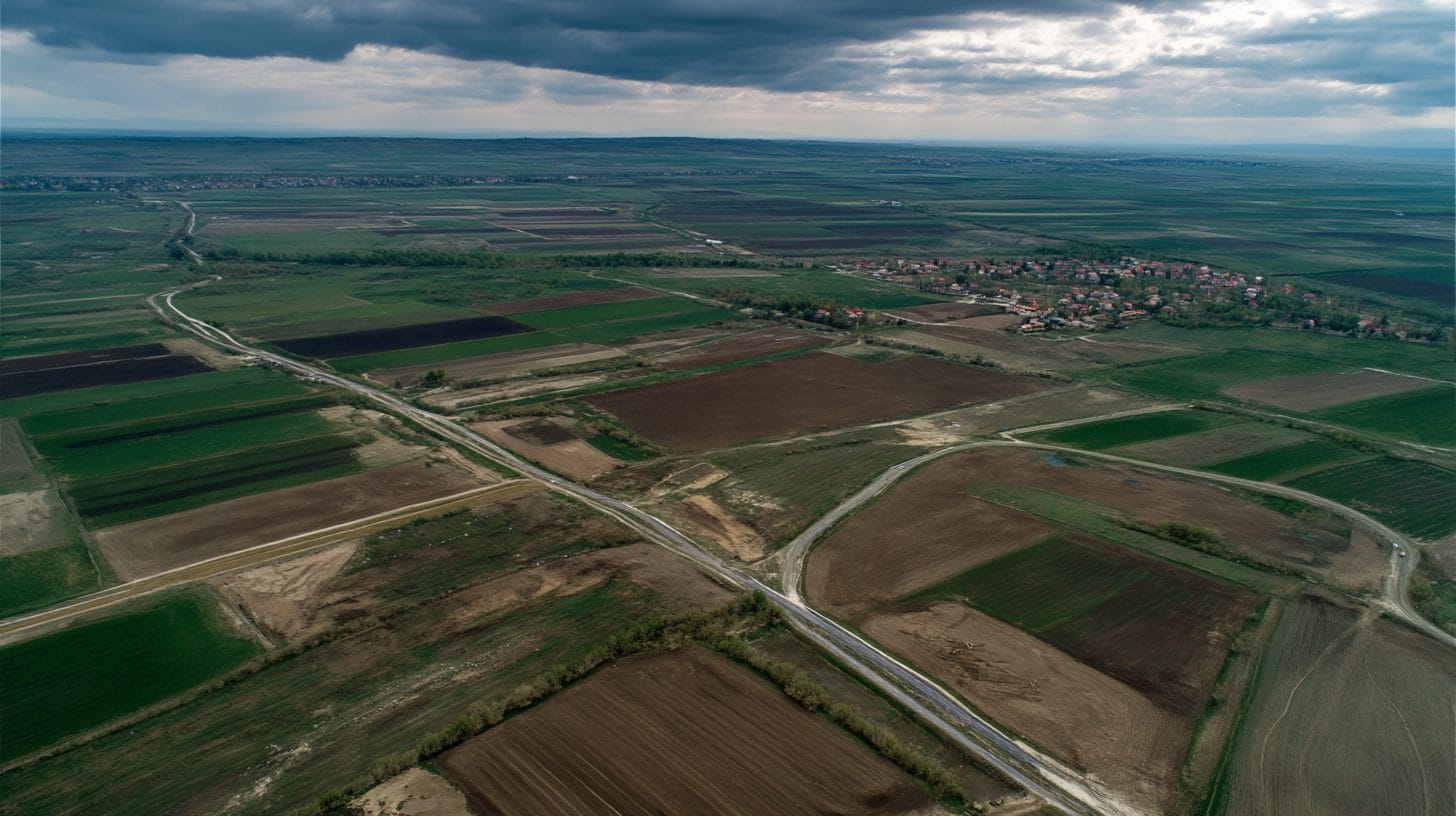
The Role of Environmental Assessments in Bucharest Real Estate
In recent years, the real estate market in Bucharest, Romania, has experienced significant growth, attracting both domestic and international investors. As urbanization progresses and development continues, environmental assessments have emerged as pivotal tools in shaping sustainable urban growth. These assessments not only ensure compliance with regulatory standards but also significantly influence the overall success and viability of real estate projects. This article delves into the role of environmental assessments in Bucharest’s real estate market, emphasizing their importance, processes, and benefits for stakeholders involved in real estate development.
To begin, it is crucial to understand what environmental assessments entail. In the context of Bucharest real estate, environmental assessments refer to a systematic evaluation of potential environmental impacts associated with a proposed project. This includes analyzing factors such as air quality, water resources, soil contamination, biodiversity, and community health implications. Environmental assessments in Bucharest are primarily geared towards identifying adverse effects and mitigating them before construction or development commences.
The integration of environmental assessments into real estate development in Bucharest is enforced by Romanian legislation, specifically the Environmental Protection Law and various European Union directives that Romania is obligated to comply with. These regulations mandate that developers conduct environmental impact assessments (EIAs) for significant projects, ensuring that both public consultation and expert analysis are part of the assessment process. This legal framework indicates a growing recognition of the importance of environmental sustainability in urban planning and development.
One of the main roles of environmental assessments in Bucharest real estate is to facilitate informed decision-making among stakeholders. Investors, developers, and municipal authorities greatly benefit from the comprehensive insights provided by environmental assessments. These assessments offer vital information regarding the environmental conditions of prospective development sites, enabling stakeholders to evaluate the viability and risks associated with the project. As such, the results of an environmental assessment can influence whether a project is pursued, modified, or even shelved in favor of more environmentally sound alternatives.
Furthermore, environmental assessments can act as a safeguard against potential liabilities. Real estate developers who conduct thorough assessments are often better equipped to identify potential environmental risks and liabilities associated with their properties. This proactive approach not only saves developers from legal and financial repercussions down the line but also helps in reinforcing their corporate social responsibility. By taking the initiative to prioritize environmental assessments, developers demonstrate a commitment to sustainability, which can enhance their reputation and brand value in the marketplace.
Public health and community well-being are central concerns within urban development, and the role of environmental assessments in addressing these issues cannot be overstated. Environmental assessments in Bucharest serve to evaluate the potential impacts that real estate projects may have on local communities. By involving community stakeholders in the assessment process, developers are encouraged to address and mitigate issues related to noise pollution, traffic congestion, and access to green spaces. This engagement fosters a sense of collaboration between developers and communities, ensuring that the interests of residents are taken into account during planning and execution.
In addition to evaluating potential negative impacts, environmental assessments can also highlight opportunities for enhancing local ecosystems. Developers who engage in thorough assessments may uncover areas for environmental restoration, the introduction of green spaces, or other sustainable practices that can enhance the livability of the area. Such measures not only improve the quality of life for residents but can also lead to increased property values and market attractiveness for real estate projects.
Real estate projects that prioritize environmental assessments are well-positioned to tap into the rising demand for sustainable living and development in Bucharest. As the market evolves, more buyers and renters are seeking properties that align with their values, particularly with regard to environmental stewardship. Incorporating sustainability into real estate projects can be a compelling selling point, appealing to eco-conscious consumers. Therefore, developers who prioritize environmental assessments can effectively capture a segment of the market that values ecological sustainability.
Investors in Bucharest’s competitive real estate environment must also stay informed about the ongoing evolution of regulations surrounding environmental assessments. Considering the EU’s growing emphasis on sustainable development, a shift towards stricter compliance requirements and increased scrutiny of environmental impacts is likely to continue. This changing landscape means that developers need to stay proactive and aligned with best practices to avoid delays and ensure successful project approvals.
From a broader perspective, the role of environmental assessments in Bucharest real estate contributes to the overall goal of sustainable urban development. As cities across the globe grapple with the impacts of climate change and urbanization, Bucharest has an opportunity to set a precedent for integrating environmental considerations into urban planning. By embracing proactive environmental assessments, the city can build resilient neighborhoods that prioritize both economic growth and ecological preservation.
In conclusion, environmental assessments play a crucial role in shaping the real estate market in Bucharest. They not only ensure compliance with regulations but also promote informed decision-making, mitigate risks, enhance public health, and foster positive community engagement. Developers and investors who embrace environmental assessments as a standard part of their project planning will likely find themselves at a competitive advantage in an increasingly conscious market. As Bucharest continues to evolve, the integration of environmental considerations into real estate development will be key to creating sustainable urban environments that benefit all stakeholders involved.
Interested in Land Investment in Romania?
We specialize in high-yield land and property opportunities for serious investors.
VIEW OUR CURRENT PORTFOLIOSecure your investment with Land For Investors.

Published: February 19, 2025