

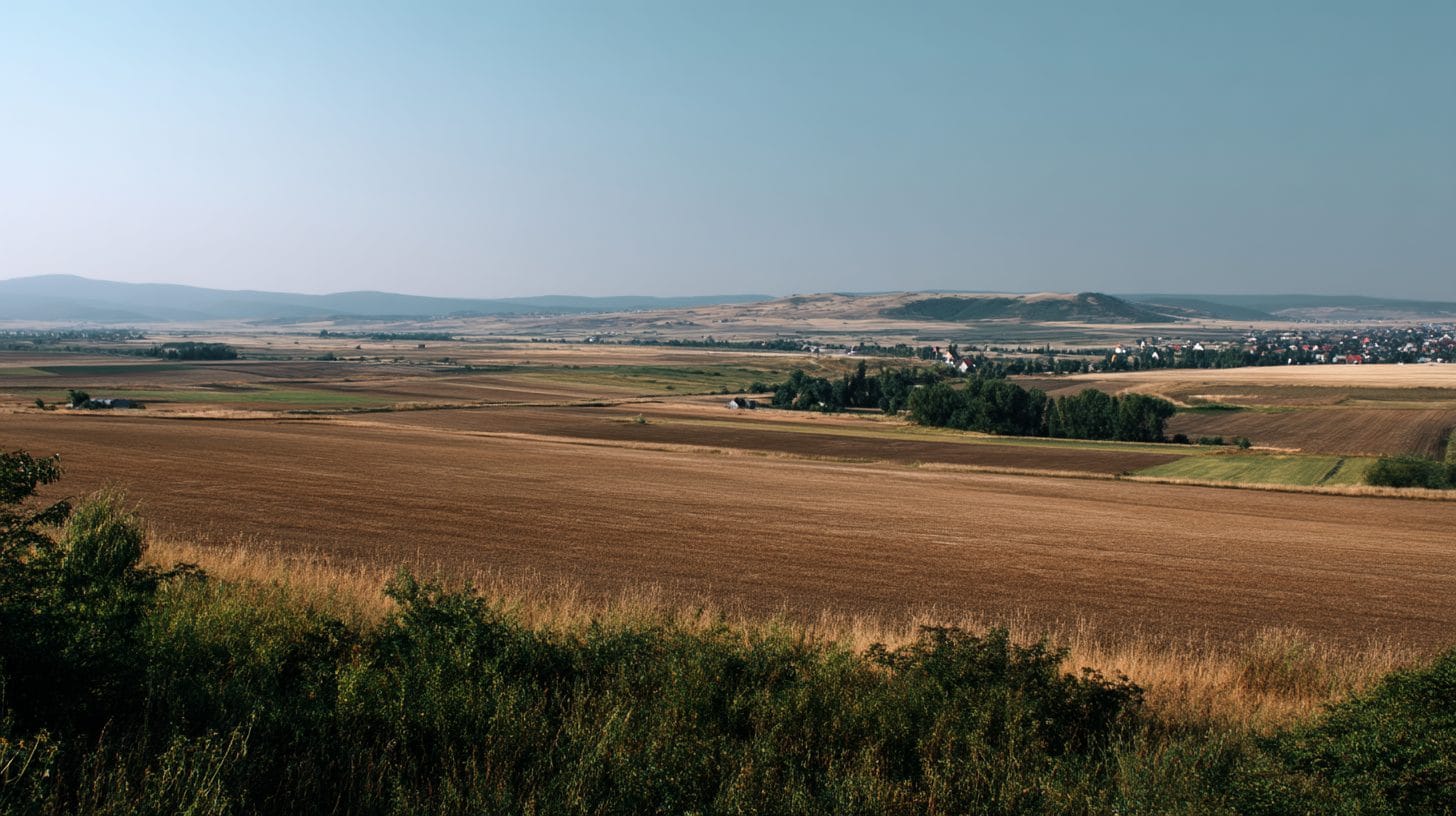
Planning a Sustainable Real Estate Project Near Bucharest
In recent years, the concept of sustainability has gained significant traction, especially in the realm of real estate development. With the pressing concerns of climate change, urbanization, and resource depletion, the necessity for sustainable projects has never been more critical. This article provides an in-depth guide on planning a sustainable real estate project near Bucharest, focusing on the strategic implications and best practices in ensuring environmental, social, and economic sustainability.
The Emergence of Sustainable Real Estate Development
As the capital of Romania, Bucharest is experiencing rapid urban growth, leading to an increasing demand for housing and commercial spaces. While this growth presents economic opportunities, it also poses challenges related to environmental degradation and social inequality. Consequently, the real estate sector is seeking innovative solutions that balance development with sustainability. A sustainable project in Bucharest is not merely a construction novation; it embodies a holistic approach that emphasizes ecological stewardship, community enhancement, and economic viability.
Understanding Sustainability in Real Estate
At its core, a sustainable real estate project near Bucharest must encapsulate the principles of sustainability—environmental integrity, social equity, and economic feasibility. This tripartite approach ensures that the outcomes of the development meet the needs of the current population while protecting the resources and ecosystems for future generations.
Environmental Integrity
When planning a sustainable project in Bucharest, environmental considerations take precedence. This includes minimizing greenhouse gas emissions, preserving biodiversity, and ensuring energy efficiency. Developers are encouraged to employ construction materials that are eco-friendly and sourced locally. Additionally, the incorporation of renewable energy systems such as solar panels or wind turbines can significantly enhance the sustainability profile of the project. Implementing a low-impact design that integrates natural landscapes can also contribute to maintaining the ecological balance.
Social Equity
A sustainable project near Bucharest must address the social dimensions of development. This involves creating inclusive spaces that foster community interaction and reflect the diverse demographics of the area. Community engagement is vital, as the development should respond to the needs and aspirations of local residents. The project should also provide affordable housing options and create job opportunities, thereby contributing to improved quality of life for the community.
Economic Feasibility
Economic sustainability ensures that a project is financially viable over the long term. Developers must conduct a thorough market analysis to ascertain the demand and supply dynamics in Bucharest. This involves assessing demographic trends, income levels, and housing preferences. Sustainable projects should also prioritize construction efficiency and operational cost savings, ensuring that both short-term investments and long-term returns are optimized.
The Framework for Planning a Sustainable Project
When embarking on a sustainable project in Bucharest, a systematic approach is essential. The following framework outlines crucial steps that developers should undertake.
1. Research and Feasibility Study
Performing comprehensive market research is the cornerstone of any successful sustainable real estate project. Developers should evaluate the economic landscape of Bucharest, including potential competitors and market gaps. A feasibility study will help to assess the financial viability and identify potential funding sources, including grants and incentives for green building initiatives.
2. Site Selection and Design
Choosing an appropriate site is critical. The location should have optimal access to public transportation, amenities, and green spaces. Sustainable design principles should be employed, such as orientation of buildings for natural light and ventilation, and the incorporation of green roofs and living walls. It is essential to develop a site plan that respects and integrates with the surrounding environment while minimizing land disturbance.
3. Stakeholder Engagement
Engaging local stakeholders—including community members, local authorities, and environmental groups—should be prioritized. Hosting workshops and forums can facilitate constructive dialogue, enabling developers to incorporate feedback into the planning process and ensure community buy-in.
4. Sustainable Building Practices
Implementing sustainable construction practices is vital. This includes using innovative technologies such as prefabricated modules that reduce waste and construction time. Integrating energy-efficient appliances and smart home technologies can further reduce energy consumption. Additionally, water conservation practices, such as rainwater harvesting and greywater recycling systems, can significantly decrease resource usage.
5. Monitoring and Maintenance
Developers should implement a robust monitoring system to track the sustainability performance of the project. This includes assessing energy usage, waste management, and community utilization of the space. Regular maintenance of green spaces and facilities is equally important, ensuring that the project remains sustainable throughout its lifespan.
Policy Considerations
In Bucharest, understanding the regulatory landscape is crucial for planning a sustainable real estate project. Developers should familiarize themselves with local zoning laws, building codes, and sustainability certifications such as LEED (Leadership in Energy and Environmental Design). Engaging with local authorities early in the process can facilitate approvals and endorsement of the project.
Promoting Sustainable Practices in Bucharest
The local government of Bucharest has been proactive in promoting sustainability initiatives. Developers should explore partnerships with municipal agencies to leverage resources and expertise in sustainable development. By aligning with the city’s vision for a greener future, real estate projects can contribute positively to the urban fabric of Bucharest.
Conclusion
Planning a sustainable real estate project near Bucharest involves a comprehensive and strategic approach that prioritizes environmental integrity, social equity, and economic feasibility. As the demand for housing and commercial spaces grows, embracing sustainability will not only mitigate risks associated with climate change but also enhance the quality of life for residents. Developers are encouraged to adopt best practices, ensure stakeholder engagement, and maintain regulatory compliance, thereby paving the way for innovative and sustainable development in Bucharest. A well-executed sustainable project can serve as a model for urban growth, inspiring similar initiatives across Romania and beyond, ultimately contributing to a resilient and sustainable future.
Interested in Land Investment in Romania?
We specialize in high-yield land and property opportunities for serious investors.
VIEW OUR CURRENT PORTFOLIOSecure your investment with Land For Investors.

Published: February 17, 2025