

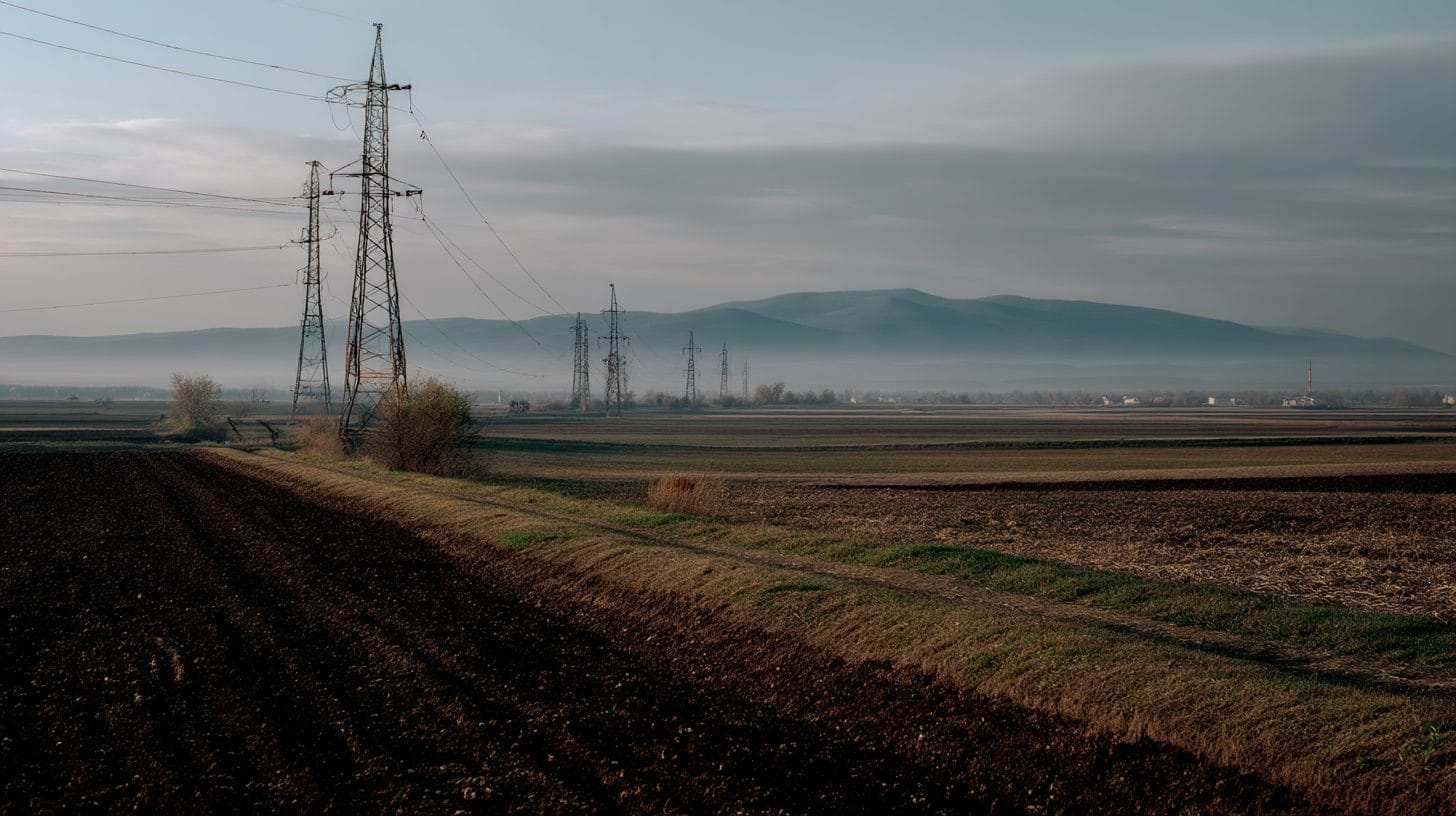
Romania’s capital city is quickly gaining traction as a nucleus for logistics and infrastructure development in Southeast Europe. For foreign investors looking to solidify their portfolio in emerging European markets, long term investment logistics land in Bucharest presents a compelling combination of strategic location, favorable market conditions, and promising yield potential. With the increasing demand for last-mile delivery networks and regional distribution hubs, Bucharest’s logistics sector is expanding rapidly—and so is the value of relevant land assets.
Strategic geographical advantage
Bucharest is situated at the intersection of several major European transport corridors, including the Pan-European Corridor IV, which connects Central and Eastern Europe. This location offers excellent access to Bulgaria, Hungary, and further westward towards Austria and Germany. From a logistics standpoint, owning land in proximity to key transportation routes—including the Bucharest Ring Road (DNCB) and the expanding A0 motorway—provides significant strategic leverage for establishing long-term value.
Furthermore, the proximity to the Henri Coandă International Airport and the Constanța seaport within a few hours’ transit strengthens Bucharest’s appeal as a regional logistics hub. Investors who secure land for warehousing or distribution projects in well-located areas are well-positioned to benefit from the city’s role in pan-European freight movement.
Market trends and demand drivers
Romania’s e-commerce sector has seen double-digit growth annually, especially following the acceleration brought on by the COVID-19 pandemic. Companies are investing in logistics infrastructure to meet increasing consumer expectations for fast and efficient delivery. As a result, institutional investors and developers continue to seek strategic plots of land suitable for logistics parks, urban distribution centers, and fulfillment depots.
Bucharest stands at the center of this demand, with both domestic enterprises and international players like Amazon, DB Schenker, and DHL expanding operations in the region. The undersupply of modern logistics facilities creates a strong incentive for land banking and longer-term development. With real yield returns in the logistics property segment often surpassing Western European averages, the capital offers a lucrative medium-to-long-term hold strategy for investors willing to secure development-ready land.
Legal and regulatory considerations
Before acquiring land for long-term logistics use in Bucharest, investors must navigate Romania’s property laws, zoning regulations, and ownership structures. Foreign nationals and companies registered in EU member states can generally purchase land for commercial purposes without restrictions. However, it’s imperative to ensure that the land is appropriately zoned for logistics or industrial use under local urban planning regulations (PUZ – Plan Urbanistic Zonal).
Additionally, due diligence on land titles, encumbrances, and utilities access is a must. Romanian land can sometimes come with inherited ownership disputes or unclear documentation, especially in suburban or peri-urban zones where logistics development is most active. Working with an experienced local legal advisor can help investors mitigate these risks and expedite the acquisition and permitting processes.
Hotspots for logistics land acquisition
Several areas within and around Bucharest have emerged as favorable for logistics land investment. The northern and western outskirts of the city, including areas like Chitila, Dragomirești, Bolintin-Deal, and Mogoșoaia, are witnessing high levels of investment interest. These zones boast access to the ring road and incoming A0 motorway segments, making them ideal for logistics parks and regional distribution hubs.
The southern sector, particularly near Popești-Leordeni and Jilava, is also gaining attention due to growing residential density and the need for quicker urban last-mile logistics solutions. Investors looking for long-term gains should keep an eye on parcels near projected infrastructure upgrades or zones undergoing reclassification for industrial or mixed-use purposes.
Infrastructure and utilities: How they impact land value
While the top priority is location, the possibility to connect to infrastructure and utilities plays a vital role in determining the investment quality of logistics land. Access to electricity, road networks, water, drainage, and high-speed internet is not uniform across Bucharest’s periphery. As a result, investing in land with pre-existing infrastructure—especially those connected to the national grid or near substations—can lower upfront development costs and enhance valuation over time.
Moreover, local municipalities often offer incentives or streamlined permit processes for logistics developments that promise job creation or improved transport linkages. This governmental support can materially impact the viability and financial appeal of a project, thereby improving the long-term returns from the landholding.
Exit strategies and yield potential
Long term investment logistics land in Bucharest benefits from multiple viable exit strategies. Investors may choose to hold and develop, lease to logistics operators, or sell the land to developers as the market matures. With cap rates on logistics assets in Romania still higher than core Western European markets, and with increasing liquidity in Bucharest’s property asset class, the potential for capital appreciation combined with recurring income is substantial.
Land banking remains an effective approach for investors not looking to develop immediately but projecting demographic and industry growth over the next 5–10 years. Meanwhile, developing build-to-suit logistics assets either independently or in partnership with local developers can unlock value faster, particularly as multinational tenants continue to show strong demand for modern facilities near capital cities.
Conclusion
Bucharest has evolved into more than just Romania’s administrative hub—it is a central pivot in the regional logistics landscape. Investors exploring opportunities in long term investment logistics land in Bucharest should not only assess location and zoning but also consider infrastructure access, legal clarity, and macroeconomic trends driving demand. With a deepening market and an improving regulatory environment, logistics land in and around Bucharest represents a strategic and forward-looking component of a diversified real estate investment strategy in Eastern Europe.
Interested in Land Investment in Romania?
We specialize in high-yield land and property opportunities for serious investors.
VIEW OUR CURRENT PORTFOLIOSecure your investment with Land For Investors.

Published: January 20, 2026