

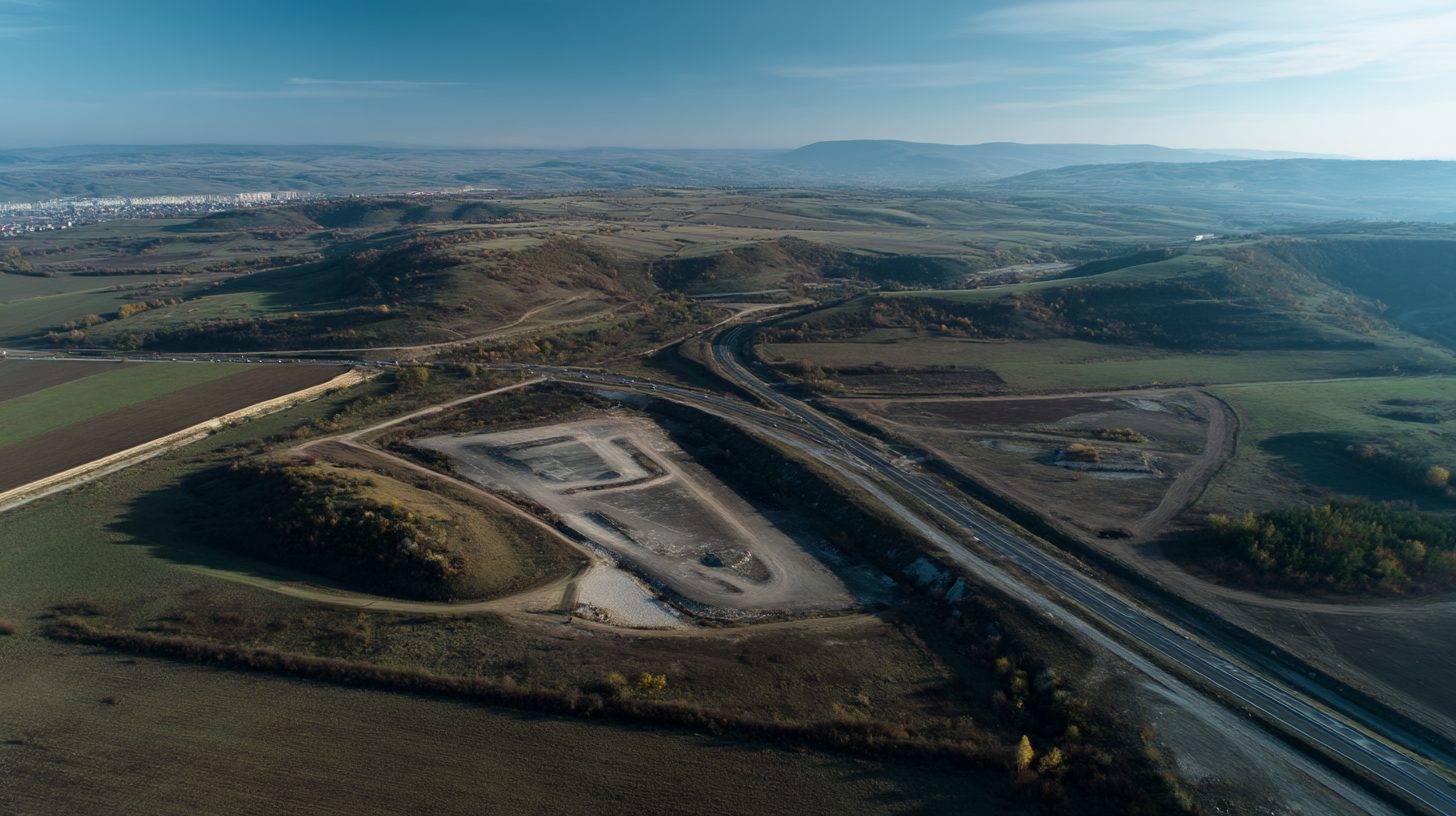
The Romanian industrial real estate market has gained increasing attention from both domestic and international investors in recent years. Among the emerging hotspots, the logistics land industrial zone in Bacău is drawing particular interest. For investors considering whether logistics land industrial zone Bacău for sale represents a lucrative opportunity, a detailed examination of economic indicators, regional infrastructure, and market dynamics is essential.
Why Bacău Is Gaining Traction in the Industrial Sector
Bacău, located in the historical region of Moldavia in northeastern Romania, enjoys strategic geographical advantages for logistics operations. It sits within reach of major regional hubs such as Iași, Suceava, and Galați, and serves as a critical link between Central Romania and the eastern border with the Republic of Moldova and Ukraine. This strategic positioning has made the local industrial zones a prospective target for distribution centers, warehousing, and light manufacturing investments.
The Pan-European Corridor IX and the proximity to the future A7 motorway (part of Moldova’s infrastructure modernization plan) enhance Bacău’s logistical relevance. The modernization of Bacău International Airport and improved rail connections further amplify the region’s suitability for importing, exporting, and distributing goods across Romania and neighboring countries.
Availability and Characteristics of Land for Sale
The logistics land industrial zone in Bacău offers generous parcels suitable for various commercial and industrial uses. Typically, plots available for sale range from 5,000 to over 50,000 square meters, with zoning that allows for development in sectors such as storage, assembly, packaging, or light manufacturing.
Investors can find both greenfield land—ideal for build-to-suit projects—and brownfield sites that already possess some infrastructure, such as access roads, utilities, and basic office buildings. Pricing is competitive compared to Western European markets and even cities like Bucharest, often ranging between 10 – 30 EUR per square meter depending on proximity to infrastructure, utilities, and readiness for immediate development.
An additional advantage lies in the flexibility of the permitting process in Bacău, where local authorities often show openness toward industrial development, especially if it promises job creation and adds to the economic value of the district.
Economic Indicators Favoring Industrial Development
Romania’s continued GDP growth, predicted to maintain a 3-4% annual rate through the mid-2020s, is fueling expansion in the manufacturing, logistics, and e-commerce sectors. Bacău, in particular, has seen increased activity in food processing, construction material manufacturing, and transportation—all of which require logistic and distribution capabilities.
The Romanian labor market remains one of the most cost-competitive in the EU, yet with a relatively skilled workforce. Bacău County offers access to a pool of workers with vocational and technical training, partially due to the presence of local universities and industrial schools feeding into the logistics and mechanical sectors.
Furthermore, Romania benefits from EU and government-backed incentives for investors, including tax exemptions in certain industrial parks and partial reimbursement of investment costs for eligible projects. Investors in logistics land around Bacău could potentially qualify for such incentives if their development spans employment generation and infrastructural enhancements.
Demand Drivers and Future Growth Potential
The shift in global supply chains following the COVID-19 pandemic and the push for nearshoring has bolstered Romania’s role as a distribution and manufacturing node within Europe. Companies that previously relied on distant suppliers have started relocating closer production and warehousing sites, favoring Central and Eastern European countries like Romania.
Simultaneously, the domestic boom in e-commerce and third-party logistics services is increasing the demand for high-efficiency distribution hubs. Bacău’s logistics land offerings are well-positioned to serve major Romanian cities and beyond, making them attractive for 3PL providers, transport companies, and even large FMCG players seeking new distribution points.
Another growth driver is the anticipated completion of major infrastructure upgrades under Romania’s National Resilience and Recovery Plan (NRRP), which includes funding for transport infrastructure improving connectivity within Moldova and to the rest of the EU. As accessibility improves, the capital appreciation potential for logistics land in Bacău could outpace that of similar land in less connected regions.
Risks and Considerations for Foreign Investors
Despite the promising outlook, investors must approach logistics land investments in Bacău with diligence. Zoning regulations, while generally supportive, can vary significantly between municipalities and must be verified for each parcel. Understanding access to utilities such as water, gas, electricity, and broadband is also crucial, especially for logistics activity requiring uninterrupted operations.
Environmental permits, land registry updates, and access rights are areas where legal and procedural delays can occur. Foreign investors are advised to work closely with Romanian legal advisors and urban planning consultants who are familiar with local practices to ensure regulatory compliance and project viability.
Additionally, while labor availability is currently favorable, continued emigration and demographic decline may influence future workforce supply, particularly for large-scale logistics operations. Investors may want to consider automation arrangements or establish workforce development partnerships with vocational schools to mitigate medium- to long-term risk.
Comparative Analysis with Other Romanian Industrial Hubs
Bacău remains more affordable than hot industrial markets like Cluj-Napoca and Bucharest, where demand and pricing have surged due to stronger foreign investor presence and corporate activity. Compared to cities like Timișoara and Constanța, Bacău offers lower land acquisition costs yet is catching up in terms of infrastructure and connectivity.
What differentiates Bacău is the untapped potential—the region is still in a growth phase, and investors entering now may benefit from first-mover advantages, including favorable land prices and easier negotiations with local authorities.
Conclusion
Investing in logistics land industrial zone Bacău for sale represents a compelling opportunity for foreign investors seeking entry into Romania’s expanding warehousing and distribution market. The combination of strategic location, attractive pricing, infrastructure development, and government openness creates a solid foundation for capital appreciation and operational scaling.
However, careful due diligence and structured planning are essential, especially when investing from abroad. With proper guidance, Bacău offers not just an investment in land, but a potential foothold in one of Eastern Europe’s most dynamic industrial frontiers.
Interested in Land Investment in Romania?
We specialize in high-yield land and property opportunities for serious investors.
VIEW OUR CURRENT PORTFOLIOSecure your investment with Land For Investors.

Published: January 20, 2026