

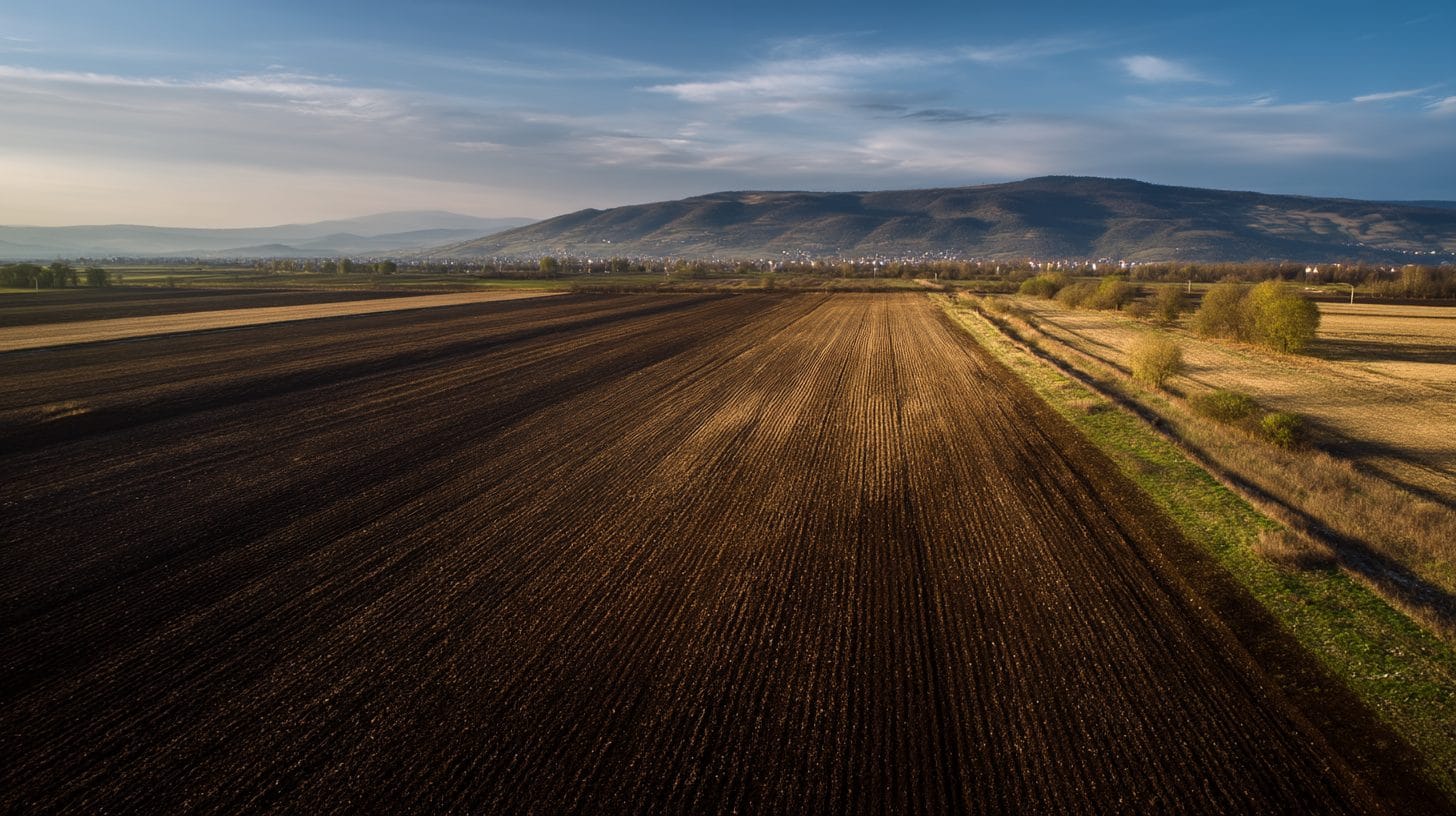
With increasing investor interest in emerging European markets, land around Romania is drawing attention as a potentially lucrative opportunity. Land plots in the countryside, near urban centers, and along developing infrastructure corridors are gaining favor among foreign buyers looking to diversify portfolios or secure assets in a growth market. But is land in and around Romania truly a wise investment? To answer that, let’s explore its market fundamentals, regional advantages, investment risks, and long-term prospects.
Why Romania’s land market is attracting investors
Romania benefits from a strategic geographic position at the crossroads of Central and Eastern Europe, bordering five countries and offering access to both EU and non-EU markets. As a European Union member since 2007 with steady economic growth, increasing foreign direct investment, and improving infrastructure, Romania provides a favorable macroeconomic backdrop for real estate investment.
Land prices in Romania remain comparatively lower than Western European averages, presenting a strong value proposition. This price differential is particularly attractive for investors interested in buy-and-hold strategies, land banking, or long-term development. Unlike more mature Western European markets where the cost of entry is significantly higher and yields are compressed, Romanian land offers a mix of affordability, potential, and accessibility.
Where the best land opportunities are located
The most promising regions for land investment in and around Romania include the outskirts of major urban centers, such as Bucharest, Cluj-Napoca, Timisoara, and Iasi. These areas benefit from strengthening local economies, expanding populations, and growing residential and industrial demand. As cities expand, agricultural or undeveloped land nearby is being rezoned or reassessed for residential, commercial, or logistics use—substantially increasing its future value.
Southern and western regions near the borders with Hungary, Serbia, and Bulgaria are also notable. These areas are benefitting from EU-funded infrastructure projects like highways and rail upgrades, improving cross-border connectivity. These developments tend to lift land values in their vicinity over time and drive demand for logistics, industrial parks, and residential expansion.
Black Sea coastal regions like Constanta also show potential, especially for tourism, hospitality, and leisure-related developments. Limited beachfront land and increasing visitor numbers each year mean that strategic plots near resorts, beaches, or new infrastructure (such as ports and airports) may yield high long-term returns when developed or sold at a later growth stage.
Legal and regulatory dynamics
Romania allows foreigners to purchase land, but specific rules apply depending on the buyer’s status. Citizens of EU member states can acquire land under the same conditions as Romanians. For non-EU investors, restrictions may apply, particularly for agricultural land, though corporate structures and legal arrangements can facilitate access. Foreigners often choose to purchase land through Romanian-registered legal entities to bypass these limitations and optimize tax planning.
Due diligence remains paramount. Title verification, zoning status, existing liens, and land registry documentation must be thoroughly reviewed, ideally with local legal counsel familiar with regional nuances. Investors should also be aware that while a large proportion of land is privately owned, some parcels remain under vague or contested ownership due to historical restitution cases from the post-Communist transition. Ensuring clear and undisputed title is a non-negotiable step in any serious investment.
Agricultural land: undervalued potential
One of the most discussed topics among land investors is Romania’s vast agricultural potential. The country has over 14 million hectares of agricultural land, much of which remains underutilized or fragmented into small plots. Fertile soils, favorable climates, and an increasing demand for organic and sustainable farming have brought new interest in Romanian farmland.
Agricultural land is particularly undervalued when compared to similarly fertile land in Western Europe. Investors are acquiring large tracts for long-term food production, EU subsidy tapping, or passive leasing to local farmers. Some hedge funds and institutional players have already entered this segment, betting on consolidation, yield optimization, and eventual resale value as global food demand increases.
Risks and challenges when buying land around Romania
While the outlook is largely positive, there are risks associated with buying land in and around Romania. Non-transparent local governance in rural areas, slow judicial procedures, and underdeveloped municipal planning can pose hurdles. Bureaucracy and changing zoning regulations may delay development plans or impact projected yields. Moreover, infrastructure gaps in more remote areas can limit short-term liquidity or development potential.
Currency fluctuation is another factor for foreign investors. While Romania’s leu (RON) has remained relatively stable in recent years, the country has yet to adopt the euro. This means foreign investors must weigh currency exposure and consider hedging if investing substantial capital over a longer term.
Liquidity is also limited compared to Western European markets. While select plots in strategic areas may sell readily, more remote parcels can remain on the market for extended periods, particularly if poorly marketed or without clear development prospects.
Land as a long-term diversification play
Despite the risks, many investors view land around Romania as a stable, tangible asset that can anchor a diversified portfolio. Land is a finite resource with intrinsic value, often immune to the volatility of financial markets. In Romania’s case, the combination of EU-backed economic growth, ongoing infrastructure development, low entry prices, and untapped agricultural potential makes land an attractive asset class for long-term hold strategies.
Additionally, Romanian land can serve as a hedge against inflation. With rising construction and commodity prices globally, the raw value of land—especially strategically positioned land—can track these trends over time, working in favor of patient investors.
Conclusion
Romanian land offers a unique equation of affordability, strategic location, and potential for future upside—especially when compared to more saturated property markets across Europe. While entry requires diligence, legal structuring, and an understanding of local mechanisms, the rewards can be substantial for those with a long-term perspective. For foreign investors looking to tap into growing EU markets, secure hard assets, or explore agricultural and development opportunities, land around Romania merits serious consideration as part of a broader portfolio strategy.
Interested in Land Investment in Romania?
We specialize in high-yield land and property opportunities for serious investors.
VIEW OUR CURRENT PORTFOLIOSecure your investment with Land For Investors.

Published: January 20, 2026