

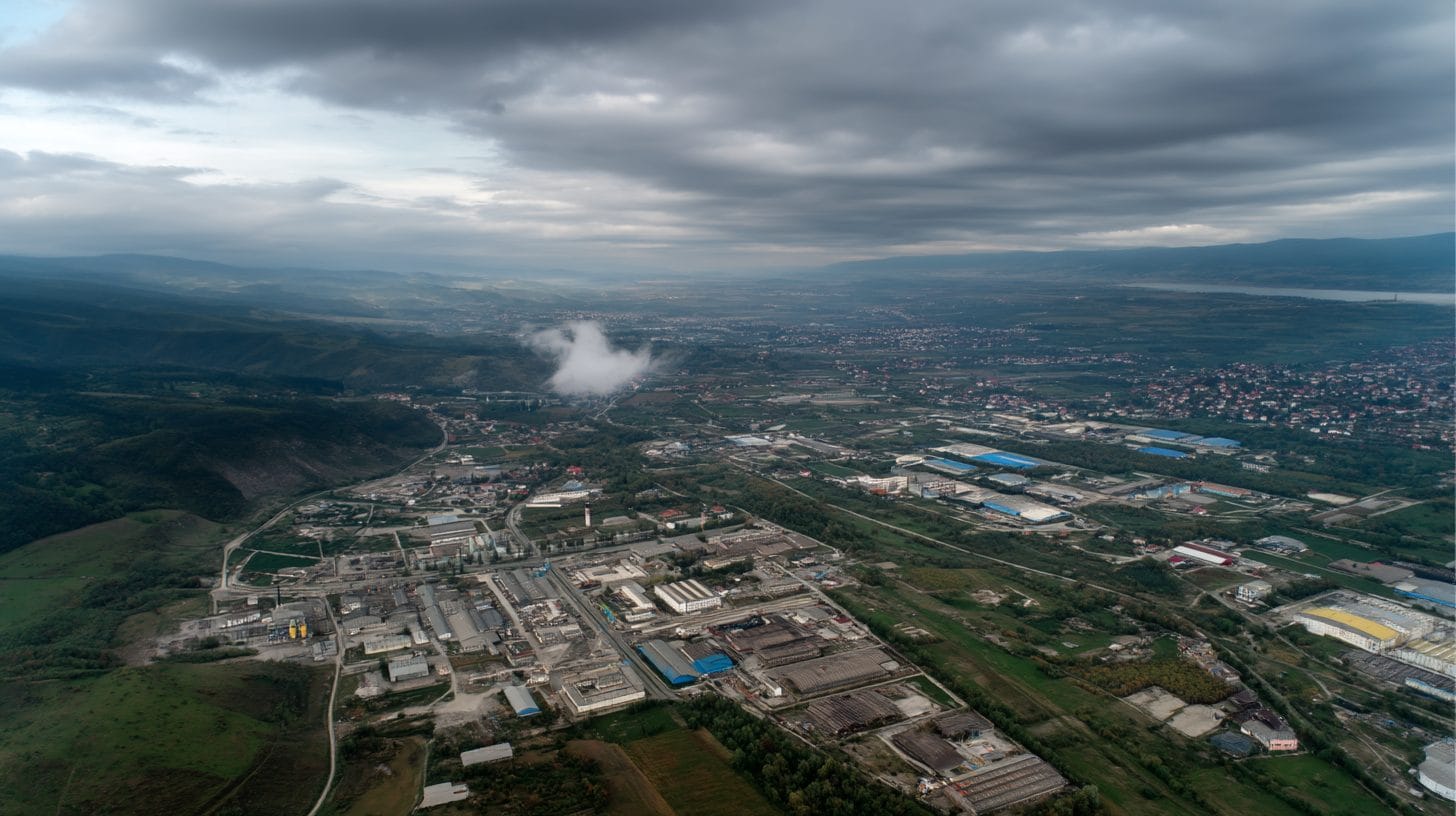
Romania has become an increasingly attractive destination for land and property investors, particularly those eyeing the agricultural sector. Among the best-positioned opportunities is agricultural land with highway access near Bucharest, the country’s thriving capital. For foreign investors seeking long-term rewards or speculative portfolio additions, understanding the strategic benefits and potential pitfalls of this type of property is essential for making informed decisions.
The prospect of acquiring agricultural land with highway access Bucharest offers is no longer limited to traditional farming interests. With infrastructure development accelerating across Romania, agricultural plots located near major transport corridors are drawing attention for their proximity to urban demand, logistical advantages, and long-term capital appreciation potential.
Why Highway Access Near Bucharest Matters
Proximity to Bucharest, Romania’s economic and population hub, adds considerable strategic value to surrounding land parcels. Agricultural land with easy access to highways such as the A1 (linking Bucharest to Pitești and beyond) or the A3 (extending toward Ploiești and Brașov) is prioritised by logistics and agribusiness investors. The reduced transport time and associated costs make such properties appealing for future large-scale farming, agri-processing facilities, and even logistics or warehousing developments, pending rezoning approvals.
Highway access also plays a critical role in boosting land liquidity. Compared to isolated agricultural holdings, plots adjacent to or within several kilometers of a highway interchange have higher turnover and are observed to retain or increase in value more stably, especially in times of economic uncertainty. This proximity serves as a hedge against fluctuating agricultural commodity returns, allowing investors to potentially reposition land for alternative use as the surrounding area develops.
Strategic Development Trends in Bucharest’s Periphery
Romania has significantly enhanced its infrastructure network over the past decade, with EU funding accelerating highway construction and improvement projects. Bucharest’s ring road project, designed to decongest traffic and improve regional trade flows, presents direct advantages to agricultural lands near newly connected zones. The government’s emphasis on improving logistical corridors aligns with investor interests, especially along the Bucharest–Pitești and Bucharest–Brașov corridors.
While many foreign investors target land close to cities like Cluj-Napoca and Timișoara, Bucharest remains uniquely positioned due to its dominant economic role and centrality in Romania’s transport web. Areas such as Ilfov County and parts of Giurgiu and Dâmbovița offer some of the most promising agricultural land parcels for sale. These areas benefit from both fertile soils and improving infrastructure, making them viable for diversified investment strategies.
Risks and Considerations for Foreign Investors
Despite the clear opportunities, investing in Romanian agricultural land with highway access near Bucharest comes with several risks. One major consideration is the legal framework surrounding land acquisition by non-EU investors. While EU citizens can purchase agricultural land directly, non-EU buyers typically need to establish a Romanian legal entity or meet specific reciprocity conditions.
Zoning and land classification are also crucial factors. Agricultural plots are governed by different regulations than those meant for construction or industrial purposes. Converting land for alternative use can be a lengthy and bureaucratic process. Highway access may spark speculation, but without confirmed or foreseeable rezoning, the land remains bound to agricultural usage.
Additionally, not all lands offered as “adjacent” to highways have practical access. Investors should verify road frontage, exit and entry points, and official road classification status. Transport accessibility must be backed by physical feasibility, not just proximity on a map.
Market Dynamics and Return Potential
The value of agricultural land around Bucharest has witnessed moderate to high growth in recent years, particularly for properties with highway visibility or nearby exits. Prices vary significantly based on proximity to urban edges, soil quality, accessibility, and development potential. In 2024, prime agricultural plots within 30 kilometers of central Bucharest but with excellent infrastructure connectivity have seen price ranges between €7,000 and €25,000 per hectare.
While the primary return on these lands remains land appreciation, particularly due to urban sprawl and infrastructure development, short- to mid-term agricultural lease yields can offer stable, if modest, annual returns. Average lease rates for cultivated land near highway-accessible zones tend to be higher due to logistical ease and proximity to processing facilities and distribution centers.
One key dynamic to monitor is legislative evolution. Romania’s authorities have been reviewing frameworks around agricultural land acquisition and use. Policy changes tied to sustainability, urban expansion control, and food security may affect both ownership rights and utility permissions, especially near high-traffic corridors.
Exit Strategies and Long-Term Outlook
Investors entering Romania’s land market near highway zones around Bucharest should be guided by a clear exit strategy. Options range from capital gains over a 5–10 year horizon to potential conversion into commercial or logistics sites, depending on future infrastructure alignments and local planning approvals. Mergers with larger agribusiness operators, leasing portfolios to EU-wide farming conglomerates, or direct resale to corporate groups entering the Romanian market present viable exit paths.
Moreover, Romania’s ongoing efforts to transition to smart agriculture and CO2-efficient logistics create additional layers of value for strategically located agricultural land. With many supply chains seeking centralized distribution points, especially close to Bucharest, investors who plan proactively may see these assets transition from traditional farmland to critical logistics real estate over time.
Conclusion
For foreign investors seeking a foothold in a growing EU economy, agricultural land with highway access Bucharest offers presents an enticing blend of stability, upside potential, and strategic location benefits. Supply remains more affordable than Western European equivalents, while infrastructure investment and proximity to Romania’s capital make long-term appreciation more likely. Still, successful investment demands thorough due diligence, local legal expertise, and a long-term perspective aligned with infrastructure and policy shifts. Those prepared to navigate Romania’s regulatory and land-use framework stand to benefit from the significant transformation occurring around Bucharest’s periphery.
Interested in Land Investment in Romania?
We specialize in high-yield land and property opportunities for serious investors.
VIEW OUR CURRENT PORTFOLIOSecure your investment with Land For Investors.

Published: January 20, 2026