

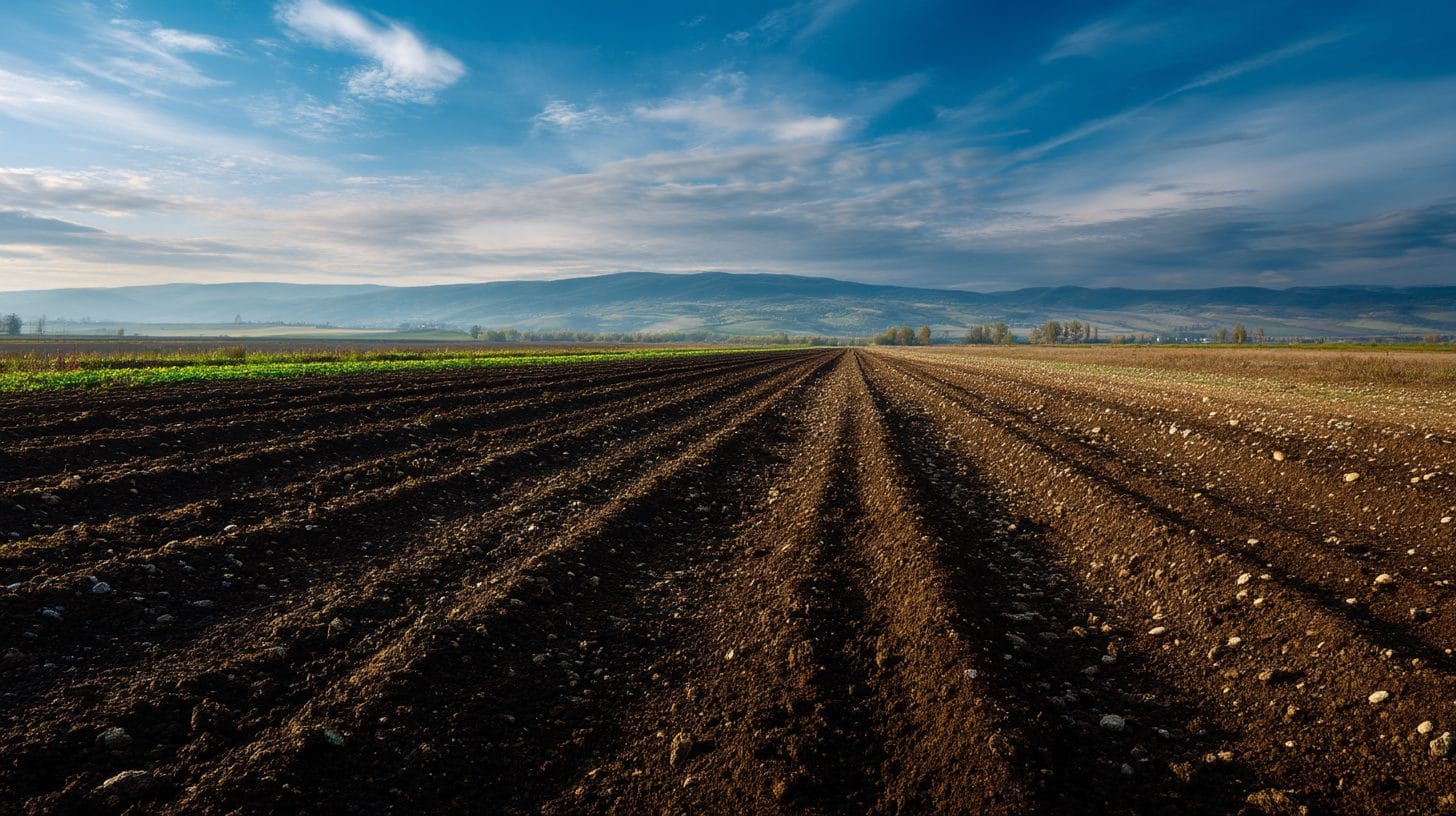
Sibiu, a historical gem nestled in the heart of Transylvania, Romania, has steadily emerged as a favorable destination for property investors focusing on long-term gains. With its growing infrastructure, increasing demand for residential and commercial developments, and attractive pricing compared to Western Europe, investment land long term investment in Sibiu is becoming a strategic move for savvy international investors. The region offers compelling prospects for those seeking both capital appreciation and potential rental yields from future development.
Current Market Prices and Land Valuation Trends
Despite its rich culture and central location, Sibiu still offers relatively affordable land prices, especially when compared with more saturated markets like Bucharest or Cluj-Napoca. As of early 2024, development plots within the urban perimeter of Sibiu can range from €30 to €100 per square meter, depending on proximity to major roads, utilities, and zoning conditions. Suburban and peri-urban areas, particularly in communes such as Cisnădie, Șura Mare, or Cristian, can offer land at even lower rates, from €15 to €40 per square meter.
This pricing remains particularly attractive when viewed from a long-term investment angle. Romania’s steady economic progress within the EU framework, along with improving infrastructure in Sibiu County—such as the A1 motorway connections and upgraded regional airports—is expected to gradually push demand upward, especially for both residential and commercial land.
Why Sibiu Appeals as a Long-Term Investment Destination
For investors with a horizon of 5 to 15 years, Sibiu offers a range of fundamentals that support value appreciation. The city has positioned itself as a regional tech and educational hub, thanks to institutions like Lucian Blaga University and the presence of international IT firms and manufacturing units. This increases the need for housing, thereby boosting interest in zoned residential land.
Moreover, government-backed urban expansion plans are aimed at revitalizing infrastructure and enhancing sustainability. With a modernized transportation system and improved public amenities underway, the attractiveness of adjacent land parcels is also expected to grow. These policy-driven factors significantly reduce risk for long-term investors, making the market even more appealing.
Another driving force is Sibiu’s constant growth in tourism and cultural importance. As a former European Capital of Culture and a gateway to the Carpathian Mountains, the region continues to attract seasonal visitors and digital nomads, thereby enhancing its appeal for future commercial development. Investment land purchased today in high-demand future corridors may set the foundation for boutique lodging, agritourism, or mixed-use projects.
Return on Investment (ROI) Potential
While short-term flips may not yield substantial gains given current price points and urban planning constraints, long-term land investment offers the possibility for solid ROI. Investors who strategically acquire land in zones earmarked for future development could experience value appreciation of 50–150% over a 10-year period, depending on location and infrastructure improvements.
Historical data from similar secondary Romanian markets shows steady annual appreciation of 5% to 8% on urban land in growth corridors, with significantly higher returns upon rezoning or utility connection upgrades. Additionally, leasing land for temporary agricultural or commercial use can help generate interim income, contributing to blended ROI over the holding period.
Zoning regulations are a major factor in determining land profitability. Urban-zoned land within Sibiu’s municipal limits currently offers the fastest path to construction and active returns. However, rural or agricultural plots near developing areas—like Rășinari or Turnu Roșu—are gaining traction from investors banking on zoning transitions prompted by suburban spillover growth.
Legal and Administrative Considerations
One of the key steps for foreign investors in land across Romania, including Sibiu, is understanding the legal framework. EU citizens have full ownership rights to purchase land for residential and commercial use. For non-EU citizens, acquisition is possible through the establishment of a local legal entity or through joint venture partnerships.
Conducting due diligence on land titles, cadastral registrations, and potential legal encumbrances is critical. Romanian land investments benefit from a transparent public land registry system, but administrative delays can occur, particularly in re-zoning applications or utility connection approvals. Therefore, aligning with a local legal team and experienced property consultants is advisable to streamline the acquisition and approval process.
Environmental assessments may also be needed in cases where land lies near protected areas or historical zones, which is not uncommon in and around Sibiu. Awareness and planning around these regulatory factors are essential for preserving investment timelines and budgets.
Infrastructure and Connectivity as Value Catalysts
Access to modern infrastructure is a cornerstone for land value appreciation. Sibiu’s growing connection to other regions via the A1 highway and the Sibiu International Airport strengthens its case as an investment hotspot. Upcoming projects like the Sibiu–Pitești motorway segment are expected to decrease logistics costs and improve regional connectivity, especially for industrial and logistics land investors.
Equally important is access to utilities such as water, sewage, electricity, and gas. Parcels already connected or within close reach of utility networks often carry a premium, but also offer faster development windows and higher valuation growth in the mid to long term. Investors analyzing land choices should consider both existing infrastructure and municipal expansion blueprints for visibility on future service upgrades.
Comparative Advantage vs Other Romanian Cities
When compared to other real estate markets in Romania, Sibiu offers a balanced investment profile. While Bucharest has higher liquidity and established ROI benchmarks, it also comes with stiffer competition and higher entry costs. Cluj-Napoca, another tech-driven city, has seen rapid appreciation leading to tighter yield margins.
Sibiu, on the other hand, remains in a more affordable growth phase. Its stable governance, high quality of life, and scalable urban development roadmap position it as a mid-risk, high-upside asset for investors seeking balance in their Romanian land portfolio. The cost-to-potential ratio is particularly favorable for long-term strategies that include land banking, phased development, or resale upon reclassification.
A Strategic Entry Point for Forward-Looking Investors
Securing investment land long term investment in Sibiu is not just about benefiting from Romania’s economic trajectory, but also about smartly positioning capital in a city poised for organic and sustainable growth. With state-supported infrastructure, a rising demand for housing and services, and comparably low acquisition costs, Sibiu offers the fundamentals for land value growth in the coming decade.
Investors—especially those from outside Romania—are encouraged to conduct market analyses, liaise with local experts, and consider a phased entry or joint venture structure to optimize risk and return. As the region continues to evolve, today’s land acquisitions may very well become tomorrow’s most valuable development sites.
Interested in Land Investment in Romania?
We specialize in high-yield land and property opportunities for serious investors.
VIEW OUR CURRENT PORTFOLIOSecure your investment with Land For Investors.

Published: January 20, 2026