

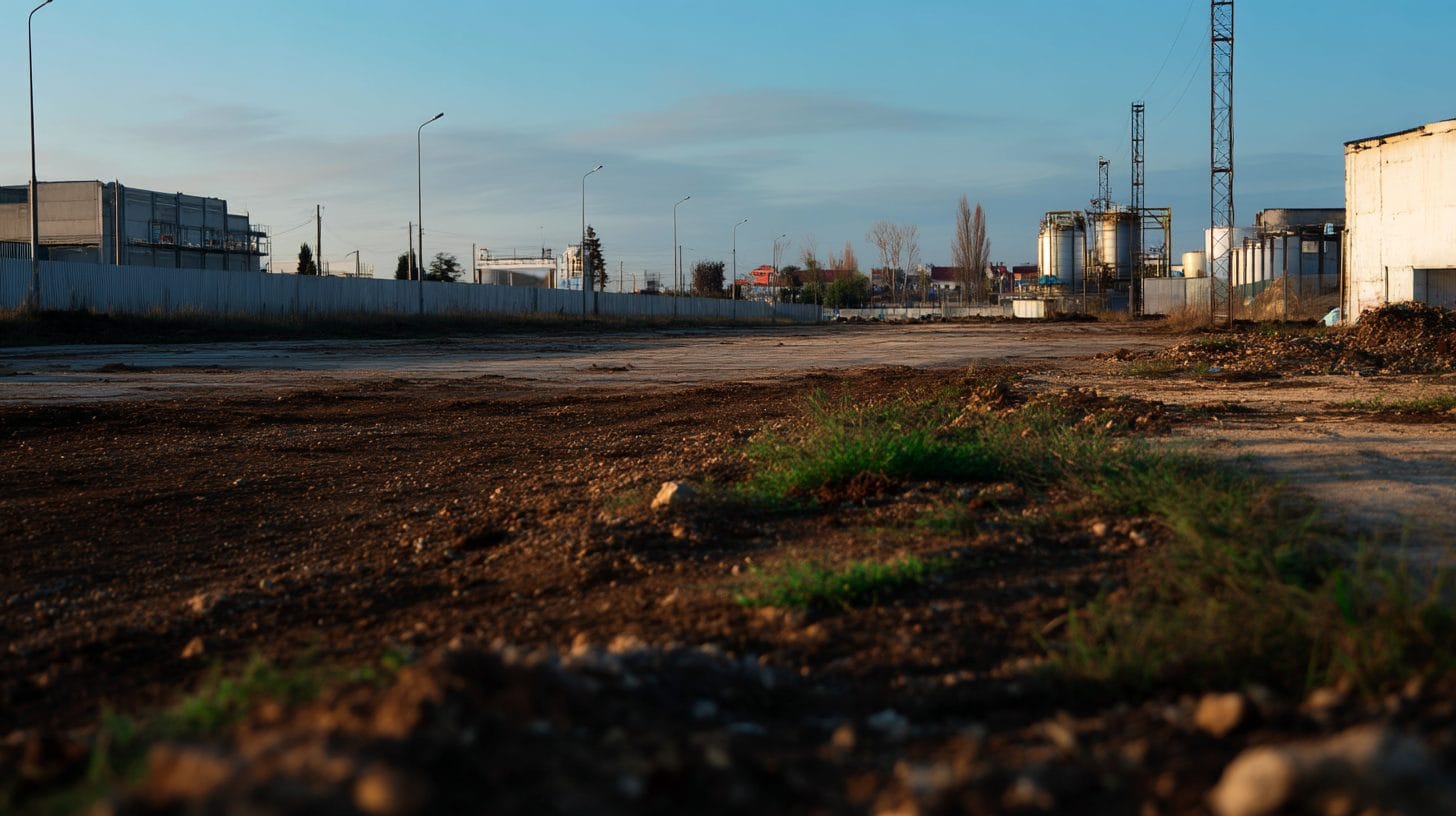
As Central and Eastern Europe continue to attract international investors seeking untapped potential, investment land investment in Romania is gaining momentum. Romania’s strategic location within the European Union, expanding infrastructure, competitive land prices, and favorable economic indicators have positioned the country as a compelling option for land and property investment. This article explores the key opportunities, identifies potential risks, and examines the possible returns for investors exploring Romanian land for development or long-term value appreciation.
Why Romania Appeals to Land Investors
Romania offers a rare blend of high growth potential and relatively low entry costs for land investors. Urban areas like Bucharest, Cluj-Napoca, and Timișoara continue to experience population and business growth, driving demand for residential, commercial, and logistics developments. At the same time, rural and semi-rural plots remain undervalued in comparison to Western Europe, making them attractive to long-horizon investors focused on appreciation.
Foreign investors are particularly drawn by Romania’s EU membership, which brings legal predictability and access to European markets. Additionally, infrastructure development is accelerating under both EU-funded and private investment, especially in logistics corridors and transport hubs. These trends directly enhance land value in specific zones, especially along the A1 and A3 motorways and near regional industrial centers.
Strategic Sectors for Investment Land Development
One of the fastest-growing sectors for land investment in Romania is logistics and industrial real estate. Fueled by the e-commerce boom, the demand for warehousing, transport nodes, and distribution centers has surged. Land within proximity to major cities or near new infrastructure projects offers considerable potential here.
Residential development also remains a strong focus, driven by a growing middle class, steady urban migration, and favorable lending conditions. Investors acquiring land in emerging suburbs or satellite towns may benefit from price increases and strong demand from developers or direct buyers.
In tourism and leisure, Romania’s scenic regions such as Transylvania, Bucovina, and the Black Sea coast are witnessing increased interest in land suitable for eco-tourism lodges, boutique hotels, and recreational developments. While this sector remains more sensitive to economic swings, the long-term potential—especially where aligned with sustainable tourism growth—is significant.
Understanding Land Zoning and Use Classifications
To make informed decisions, investors must fully understand Romania’s land categorization system. Land is broadly classified into intravilan (urban-zoned land suitable for construction) and extravilan (agricultural or non-urban land generally outside city borders). Converting extravilan land into intravilan for development requires a formal process known as PUZ (Plan Urbanistic Zonal), which varies in complexity and time based on the location and municipality.
Due diligence is critical in areas with uncertain planning outcomes. Engaging local legal and planning experts is essential for verifying land ownership, verifying zoning, and assessing the actual development potential under current and future zoning plans.
Risks of Land Investment in Romania
Despite strong opportunities, investment land investment in Romania is not without risks. Regulatory complexities remain a key challenge. The land permitting process can be slow, particularly for change-of-use applications or large-scale developments. Investors must also navigate Romania’s cadastral system, as certain plots may lack updated registrations or clear ownership structures—especially in rural areas.
Foreign ownership restrictions no longer apply to EU citizens as of 2014, but non-EU investors may need to go through a Romanian legal entity or navigate certain conditions to acquire agricultural or forest land. The legal framework evolves, and staying compliant with national regulations requires credible legal counsel.
Political risk—though lower than in the past—remains worth monitoring. While Romania is relatively stable and investor-friendly, changes in government or fiscal policy may influence investment conditions, particularly concerning construction permitting, taxation, or foreign ownership rules.
Market volatility is another consideration. While Romanian land has appreciated considerably in recent years, prices—especially in rural and less liquid markets—can fluctuate based on regional economic performance, demand cycles, and infrastructure deployment. Exit strategies should be carefully designed with realistic timelines and contingency plans.
Estimated Returns and Long-Term Value
Land investments in Romania offer the potential for both capital appreciation and, in cases where lease or build-to-suit strategies are applied, rental yield. For example, plots zoned for industrial use near major logistics corridors can yield consistent returns through long-term lease agreements with warehouse operators.
In urban zones, intravilan land values have appreciated significantly in the last decade, in some cases delivering annualized gains in the double digits, particularly near expanding metropolitan perimeters. Development-ready plots in Bucharest, Iași, or Brașov command premium pricing, but even mid-sized markets with improving infrastructure—notably Craiova or Oradea—are seeing increased investor activity.
Rural land, especially agricultural, is another niche where institutional and private investors are targeting yield through leasing to local operators, especially in high-productivity regions like the Romanian Plain and Transylvania. While appreciation is slower here, land banking strategies remain viable for patient investors aiming to reposition agricultural parcels for future development.
Exit strategies commonly include resale to developers, divestment through long-term partnering contracts, or generating income through vertical development projects. The duration and profitability of these exits hinge heavily on due diligence, timing, and adaptive investment planning.
Navigating the Transaction Process
Foreign investors should follow a structured acquisition process in Romania. This starts with identifying land parcels that fit strategic objectives—whether for residential subdivision, commercial development, or agricultural leasing. Once a viable land parcel is selected, a thorough legal review is essential. Investors must confirm clean title deeds, proper registration in the Land Book (Cartea Funciară), and validation of utilities, access roads, and zoning status.
Typically, a preliminary agreement (pre-contract) is signed before the final sale-purchase contract (contract de vânzare-cumpărare) is notarized. Taxes and notary fees may range between 2% and 5% of the property value, depending on the transaction type and property valuation.
Engaging bilingual professionals—lawyers, real estate brokers, surveyors, and tax advisors—is indispensable when navigating an unfamiliar legal landscape. Moreover, the Romanian property market still leaves room for negotiation on pricing, particularly when targeting off-market plots or dealing with local landowners unfamiliar with international negotiation processes.
The Role of EU Funding and Sustainability Trends
Land development in Romania increasingly intersects with EU-backed programs targeting infrastructure modernization, renewable energy deployment, and rural revitalization. Smart investors align their strategies with these macroeconomic currents, targeting land in areas slated for solar energy production, wind farms, or digital infrastructure hubs.
Sustainability and ESG factors are also becoming more central to land valuation. Projects that meet green certification requirements or promote biodiversity protection may gain easier access to financing or fast-track permit approvals, especially in collaboration with local authorities.
Investor sentiment is also shifting toward long-term value creation rather than speculative short-term gains, favoring strategies that incorporate environmental diligence, community integration, and resilience to regulatory shifts.
Conclusion
Investment land investment in Romania presents a wide range of opportunities for foreign investors—from urban development prospects to strategic rural acquisitions. With a proactive approach, strong local partnerships, and informed risk management, investors can unlock attractive returns while contributing to Romania’s evolving real estate landscape. As Romania continues to modernize and integrate further into the European economy, strategic land investments are likely to become an even more vital asset class for globally minded real estate portfolios.
Interested in Land Investment in Romania?
We specialize in high-yield land and property opportunities for serious investors.
VIEW OUR CURRENT PORTFOLIOSecure your investment with Land For Investors.

Published: January 20, 2026