

With increasing regional development and strong infrastructure expansion, investment land prime in Dobrogea is attracting heightened attention from both local and international investors. Located in southeastern Romania, Dobrogea covers the counties of Constanța and Tulcea and benefits from proximity to the Black Sea, the Danube River, and the border with Bulgaria. These geographic and economic advantages have positioned the region as a strategic target for land acquisitions, particularly for logistics, tourism, agribusiness, and renewable energy projects. Understanding the pricing trends, current demand, and future growth forecast is crucial for informed investment decisions.
Land price dynamics across key areas of Dobrogea
Land prices in Dobrogea vary significantly depending on location, client demand, and land categorization. In coastal zones such as Constanța and its surroundings—including Mamaia, Eforie, and Năvodari—land designated for tourism or residential development commands premium prices. Prime plots in these areas can range from €80 to over €300 per square meter, particularly those with sea views or direct beach access.
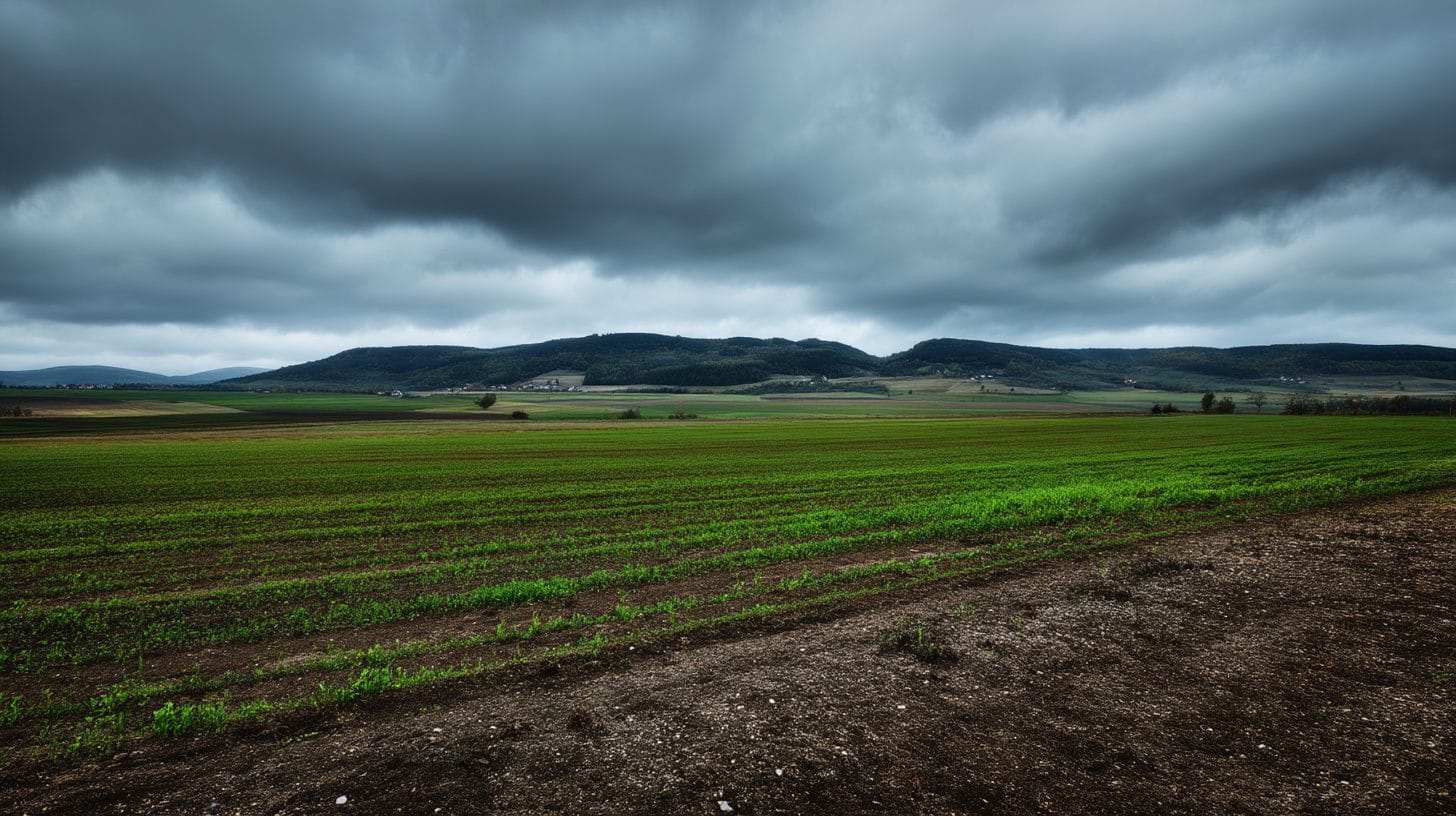
By contrast, rural inland zones and agrarian fields further north in Tulcea County, while less lucrative per square meter, offer strong return potential through agricultural development or renewable energy generation, especially wind and solar farms. Prices in these areas may hover around €2 to €15 per square meter for undeveloped land, with slightly higher valuations for land with utilities access or proximity to infrastructure.
One of the main growth drivers for land prices in southern Dobrogea is the ongoing development of Constanța Port and its expansion as a regional logistics hub. Coupled with the A2 motorway connection to Bucharest and international shipping routes, this infrastructure increases the commercial appeal of surrounding investment lands designated for logistics, warehousing, and industrial use.
Demand patterns and targeted sectors
The demand profile for investment land prime in Dobrogea is closely tied to the economic activity of the region. Investors focus heavily on sectors that align with Dobrogea’s strengths: tourism, agriculture, logistics, and energy. Foreign funds, especially from Western Europe and the Middle East, are increasingly active in identifying strategic land parcels for hotel resorts, agricultural plantations, and photovoltaic parks.
Tourism-related investment lands are particularly sought after along the Black Sea coast. The demand remains high for beachfront or near-coast plots where developers plan resort complexes and vacation housing. Summer season tourism in Romania experiences consistent growth, and Dobrogea accounts for a significant share of traffic from both domestic and international travelers. The available land for new hotel construction or residential holiday complexes is limited in coastal zones, adding an upward pressure on prices.
In parallel, Dobrogea remains a powerhouse for Romanian agriculture, with large arable fields, a temperate climate, and reliable soil fertility — particularly in Tulcea County and the Danube Delta region. Investment opportunities here focus on farmland acquisition for cereal cultivation, vineyards, and bio-agriculture, as well as long-term leases for agribusiness operations. International agro-investment groups continue to target land portfolios above 100 hectares, especially where local ownership structures allow for easy transfer.
Renewable energy is another leading sector for land demand. Dobrogea is recognized as one of Romania’s windiest regions and has emerging potential for solar energy due to its hours of annual sunlight. Developers of wind and solar parks target inexpensive, large-plot agricultural lands, sometimes near outdated industrial zones or underused communal territories. These plots often reach around 40–200 hectares and are undergoing steady price appreciation amid rising energy policy support at the European Union level.
Infrastructure and regulatory climate as investment catalysts
One of the key advantages for land investors in Dobrogea is the robust and improving infrastructure. Constanța, the region’s industrial and commercial core, provides investors with access to the largest port on the Black Sea. Port infrastructure upgrades, including container handling and rail connectivity, have already established this city as a gateway for Black Sea and Caucasus trade routes into Central Europe.
Transport infrastructure remains a pro-investor element. The completion of the A2 highway significantly shortened the travel time between Bucharest and Constanța, and upgrades to the DX8 (Viitorul Drum Expres) connecting Constanța and Tulcea are expected to unlock further accessibility for inland investment zones. Railway modernizations and proximity to Mihail Kogălniceanu Airport also enhance logistics potential across the region.
The regulatory environment for land acquisition in Romania is generally favorable for foreign investors, though proper due diligence is critical. EU citizens and companies registered in the EU may acquire land in Romania with relatively few restrictions, especially for agricultural and investment purposes. That said, zoning regulations, land registry clarity, and permitted land uses must be checked carefully to avoid legal or logistical setbacks. Professional legal guidance during acquisition and development planning remains essential.
Growth forecasts and emerging opportunities
Dobrogea’s future investment land potential is bolstered by several macroeconomic trends. The increasing demand for grain and food exports from the Black Sea region, combined with climate-driven pressures on European agriculture, points to lasting interest in Dobrogea’s arable land. Analysts anticipate price growth of 5–8% annually for premium farmland in the region, particularly where irrigation infrastructure or EU CAP funding support is available.
Meanwhile, EU cohesion funds continue to finance green transition initiatives, and Dobrogea stands to benefit substantially from Romania’s National Resilience and Recovery Plan. This includes incentives for clean energy production and sustainable tourism infrastructure, potentially accelerating price rises in previously undervalued land parcels in northern Constanța and Tulcea counties.
Hotel and holiday-home development prospects also remain strong, especially in less-saturated coastal areas. Investors looking for first-mover advantage are exploring sites along the southern Dobrogea shoreline toward Vama Veche and inland areas near the Danube Delta that mix eco-tourism potential with lower competition and favorable natural surroundings.
Conclusion
The opportunities surrounding investment land prime in Dobrogea make it a compelling destination for savvy land investors willing to navigate a complex but rewarding market. With a varied land portfolio ranging from seafront plots to inland agricultural and energy-designated fields, the region offers strong upside on both capital growth and operating yield potential. Continued infrastructure improvements, stable demand across several growth sectors, and proximity to strategic logistics routes position Dobrogea as an increasingly strategic asset location on the Southeastern European investment map. Those aiming to diversify portfolios into stable, appreciating land assets would do well to consider Dobrogea as a high-potential frontier within Romania’s real estate sector.
Interested in Land Investment in Romania?
We specialize in high-yield land and property opportunities for serious investors.
VIEW OUR CURRENT PORTFOLIOSecure your investment with Land For Investors.

Published: January 20, 2026