

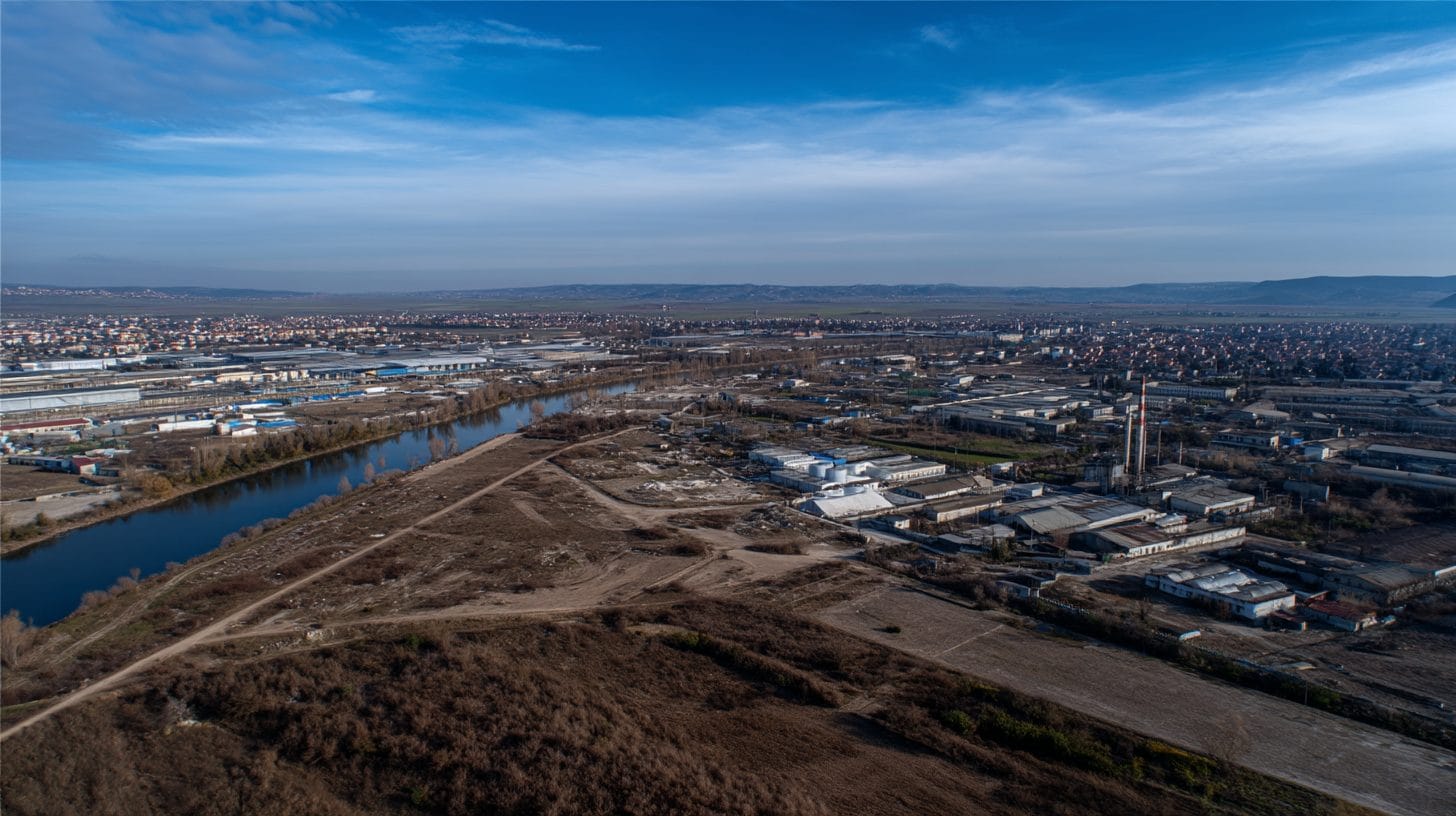
Romania has emerged as a hotspot for real estate investment in Eastern Europe, and among its most promising destinations is the city of Iași. Known for its historical charm and growing economic influence, Iași offers diverse opportunities for those looking to acquire property in Northeastern Romania. For investors searching for cheap land in Iași, the current market presents both affordability and long-term potential. This article explores the costs, market trends, and investment dynamics shaping the land sector in Iași today.
Land prices and cost structure in Iași
Iași boasts relatively affordable land prices compared to other major urban centers in Romania, notably Bucharest and Cluj-Napoca. The cost of land here varies widely based on proximity to city infrastructure, zoning regulations, public utilities, and strategic value.
On the lower end, agricultural or unregulated land in metropolitan outskirts or in surrounding communes such as Miroslava, Valea Lupului, and Aroneanu can range from €5 to €15 per square meter. These plots are particularly attractive for speculative buyers or long-term investors betting on future urban expansion or rezoning.
For residential land within the city limits with established infrastructure—paved roads, electricity, water, and sewage—prices average between €40 and €100 per square meter depending on the neighborhood. The Copou and Rediu areas are notably more expensive due to their desirable locations and access to schools, parks, and commercial amenities.
Commercial or industrial lots near Iași’s logistics corridors or tech parks can command even higher prices, particularly if they border major transit routes or business zones. Strategic hubs like the Industrial Park Miroslava have seen investment demand push prices above €50 per square meter.
Market trends shaping land investment in Iași
Several structural trends are influencing the demand for land in Iași. The city, home to nearly 400,000 residents, has been experiencing consistent population and economic growth. Its position as a regional university and IT development center makes it increasingly attractive for both domestic and foreign investors.
Urban sprawl is another key contributor to the expansion of Iași’s land market. With demand for housing outpacing available plots within the urban fabric, developers and private buyers alike are looking to the city’s periphery in search of lower-cost opportunities. This rural-to-urban transition is particularly evident in areas along the ring road and segments that connect to the newly developed road and rail infrastructure.
The increase in public and EU-funded infrastructure investment has also triggered value appreciation in certain districts. Road improvements, utility network expansions, and public transportation enhancements are driving up land prices in previously overlooked areas.
From an investment perspective, lower acquisition costs in Iași compared to Western Romania make it appealing not just to Romanian buyers but also to foreign nationals seeking land for development or speculation. The favorable legal framework for EU citizens, who can own land outright, adds to Iași’s investment appeal.
Key factors investors should consider
When buying cheap land in Iași, investors need to account for several critical variables beyond the asking price. Zoning and land use regulation are perhaps the most important. Buyers should verify whether a plot is designated for residential, commercial, industrial, or agricultural use through the City Hall’s Urbanism Certificate (Certificat de Urbanism). Rezoning agricultural land for construction can be time-intensive and may require environmental and cadastral assessments.
Another essential factor is access to infrastructure. Cheap land is often more affordable due to its lack of connectivity or utilities. Investors should calculate the cost of extending electricity, water, sewage, or road access to these plots before moving forward with a purchase.
Due diligence is also key in ensuring clean title and legal ownership. Romania has significantly modernized its land registration process, but buyers must verify that the land is registered in the Integrated Cadastre and Land Book System. Engaging an experienced real estate attorney or local notary is highly recommended during the buying process.
Additionally, understanding the long-term development projections of the municipality is critical. The city’s general urban plan (PUG – Planul Urbanistic General) outlines growth corridors, future infrastructure projects, and protected zones. Aligning land acquisition with these urban strategies can significantly increase the likelihood of capital appreciation.
Popular zones for cheap land acquisition
Among the top areas for finding cheap land in Iași are its suburban or peri-urban communes. Miroslava is often at the forefront, with rapid residential and retail developments pushing interest in nearby undeveloped plots. Land costs here remain well below urban district prices, yet the area offers strong growth potential due to good road connections and proximity to industrial zones.
Valea Lupului has seen a similar trajectory, benefiting from improved road access and increased construction activity. Meanwhile, areas such as Holboca, Tomești, and Bârnova offer lower initial costs and appeal to buyers seeking larger plots for agricultural or recreational development, such as vineyards, guesthouses, or rural tourism projects.
Further afield, savvy investors are exploring underdeveloped parcels in eastern communes or hill villages with scenic landscapes. While these locations may lack current infrastructure, they offer potential for long-horizon strategies, particularly as green tourism and eco-development gain traction in Romania’s real estate scene.
Opportunities and risks for foreign investors
For foreign buyers, Iași offers a compelling balance between affordability and long-term resilience. EU citizens can buy land directly under Romanian law, while non-EU citizens may need to establish a Romanian-registered company to acquire agricultural or raw land.
The primary advantage remains the entry price—cheap land in Iași allows investors to diversify their portfolio at a fraction of the cost of Western Europe. There’s also significant upside linked to Romania’s improving infrastructure, consistent GDP growth, and Iași’s rising status as a tech and cultural hub.
However, like any emerging market, risks do exist. Regulatory delays, inconsistent local governance, and unexpected rezoning restrictions can affect development timelines and profitability. Additionally, fluctuations in interest rates, construction costs, and market saturation in some localities can influence project returns.
Conclusion: Positioning for value creation in Iași
Iași’s land market presents a strategic entry point for investors seeking inexpensive property in Romania’s fastest-growing urban regions. From suburban housing plots to large agricultural parcels with future potential, the city and its surroundings offer diverse opportunities for capital growth.
By conducting thorough due diligence, aligning acquisitions with urban development plans, and understanding the legal framework, investors can strategically position themselves in a market with rising demand and comparative affordability.
For those seeking smart, long-term investments in Eastern Europe, cheap land in Iași could prove to be both a cost-effective and forward-looking choice. As the city continues to expand and modern infrastructure reshapes the region, early-entry investors stand to benefit from both appreciation and development value.
Interested in Land Investment in Romania?
We specialize in high-yield land and property opportunities for serious investors.
VIEW OUR CURRENT PORTFOLIOSecure your investment with Land For Investors.

Published: January 20, 2026