

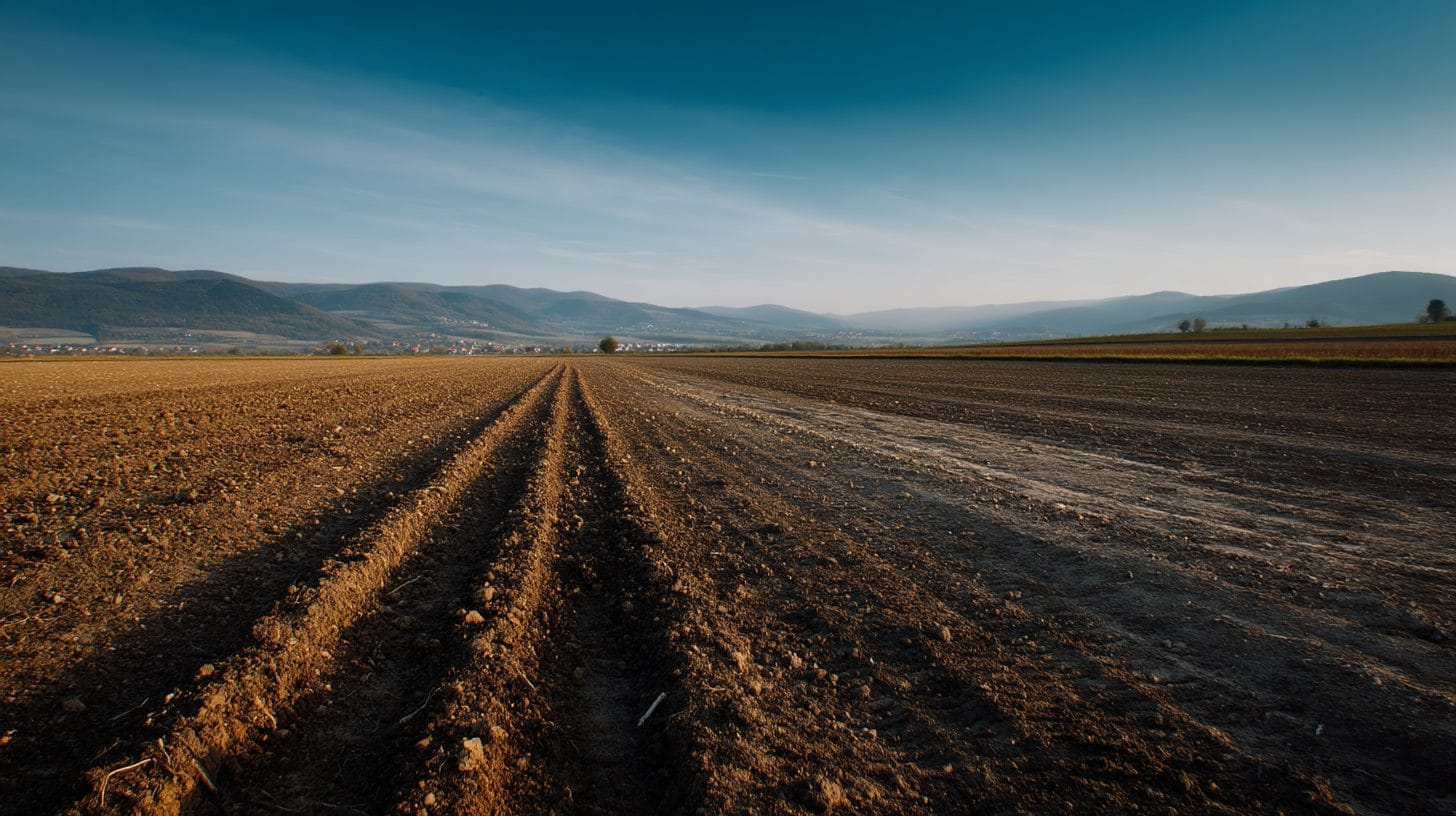
In recent years, satellite imagery has emerged as an invaluable tool for monitoring land developments across the globe, and Romania is no exception. As the nation continues to evolve with a rapidly changing landscape driven by urbanization, agriculture, and infrastructure projects, employing satellite imagery has become essential for effective land management, environmental monitoring, and sustainable development planning. This article explores the myriad ways in which satellite imagery can be leveraged to monitor land developments in Romania, detailing the techniques, advantages, and practical applications of this technology.
The Importance of Satellite Imagery in Land Development Monitoring
Satellite imagery refers to the images of the Earth’s surface captured by satellites equipped with advanced sensors and cameras. These images can provide insights into various aspects of land use, including urban expansion, agricultural practices, deforestation, and infrastructural changes. In Romania, satellite imagery plays a crucial role in monitoring land developments, particularly as the nation grapples with the challenges and opportunities presented by economic growth and development.
One key advantage of satellite imagery lies in its ability to capture large areas with high-frequency updates. Unlike traditional ground surveys, which can be time-consuming and costly, satellite imagery can provide near real-time data, enabling stakeholders to make informed decisions based on the latest developments. As Romania continues to modernize its infrastructure, tracking these changes through satellite imagery is vital to ensure that land development is aligns with legal regulations and sustainability goals.
Types of Satellite Imagery
To effectively monitor land developments in Romania, it is vital to distinguish between the various types of satellite imagery available. These include optical images, radar images, and multispectral images, each with its specific benefits and applications.
Optical imagery is captured through the visible spectrum and provides clear images of land use and changes over time. This type of imagery is particularly useful for urban monitoring, allowing planners to observe construction, infill development, and land use changes in cities like Bucharest, Cluj-Napoca, and Timișoara.
Radar imagery, on the other hand, reflects microwaves emitted from the satellite, allowing for the analysis of terrain features even under cloud cover or during nighttime. This aspect is particularly beneficial in Romania, where weather conditions can vary. Radar imagery is essential for assessing terrain subsidence, landslides, and other geophysical changes often prevalent in mountainous regions.
Multispectral imagery involves capturing images across various wavelengths, including those beyond the visible spectrum. This capability is particularly advantageous for monitoring agricultural land developments. By analyzing the health of crops and vegetation cover, stakeholders can make informed decisions regarding resource allocation and land management practices.
Applications of Satellite Imagery for Monitoring Land Developments in Romania
1. Urban Planning and Management
In Romania, urban areas are experiencing rapid expansion as cities modernize and populations grow. Satellite imagery is crucial for urban planners and local governments looking to visualize changes in land use patterns, assess the impact of new developments, and manage urban sprawl effectively. By utilizing historical satellite data, urban planners can identify trends and develop strategies that promote sustainable growth while preserving green spaces.
2. Agricultural Monitoring
Romania’s economy heavily relies on agriculture, and satellite imagery serves as a powerful tool for monitoring farmland and crop health. Farmers can use satellite images to assess the growth stages of crops, identify areas suffering from drought or pest infestations, and optimize irrigation practices. Moreover, the government can leverage satellite imagery to monitor land use changes from agriculture to urbanization, ensuring that agricultural land is preserved amid development pressures.
3. Environmental Monitoring
Monitoring environmental changes is critical in Romania as industrialization and urbanization can lead to adverse impacts on ecosystems. Satellite imagery allows environmental agencies to track deforestation, identify the degradation of natural habitats, and monitor water quality in rivers and lakes. These insights can inform conservation efforts and help policymakers implement effective environmental regulations.
4. Disaster Response and Management
Romania is susceptible to natural disasters, including floods, landslides, and earthquakes. Satellite imagery provides critical information that can be used for disaster preparedness and recovery efforts. For instance, after a disaster occurs, high-resolution satellite images can assist in assessing damage, planning rescue operations, and coordinating recovery efforts. This timely and accurate information is vital for minimizing the impact on affected communities.
5. Infrastructure Development Monitoring
Given Romania’s ongoing infrastructural projects, especially related to transport networks like highways and railways, satellite imagery is integral to monitoring progress and compliance. By analyzing satellite images, stakeholders can track construction progress, assess environmental impacts, and ensure adherence to planning regulations. This capability is particularly valuable for large infrastructure projects that require ongoing monitoring to ensure they meet both economic and environmental standards.
Challenges and Considerations
While the benefits of utilizing satellite imagery for monitoring land developments in Romania are numerous, certain challenges need addressing. These include issues related to data accessibility, which can be limited by satellite operating costs and restrictions on data sharing. Additionally, data interpretation requires technical expertise. Therefore, training and capacity-building efforts are essential to ensure that stakeholders can effectively harness satellite imagery for land development monitoring.
Another consideration is the need for integration with other data sources. Combining satellite imagery with geographic information systems (GIS), local ground surveys, and demographic data can enhance the overall understanding of land use dynamics, allowing for more holistic and informed decision-making.
Conclusion
In conclusion, satellite imagery represents a transformative approach to monitoring land developments in Romania. As the nation continues to evolve and expand, utilizing this technology will be vital for effective urban planning, agricultural productivity, environmental conservation, disaster preparedness, and infrastructure management. The insights gained from satellite imagery not only support better decision-making but also promote sustainable land use practices essential for Romania’s future.
As Romania continues to invest in digital technologies and data-driven approaches, embracing satellite imagery will ultimately help pave the way for a more sustainable and prosperous nation. By leveraging this advanced technology, stakeholders can ensure that land developments align with the goals of environmental stewardship, economic growth, and social well-being, setting a positive precedent for generations to come.
Interested in Land Investment in Romania?
We specialize in high-yield land and property opportunities for serious investors.
VIEW OUR CURRENT PORTFOLIOSecure your investment with Land For Investors.

Published: April 12, 2025