

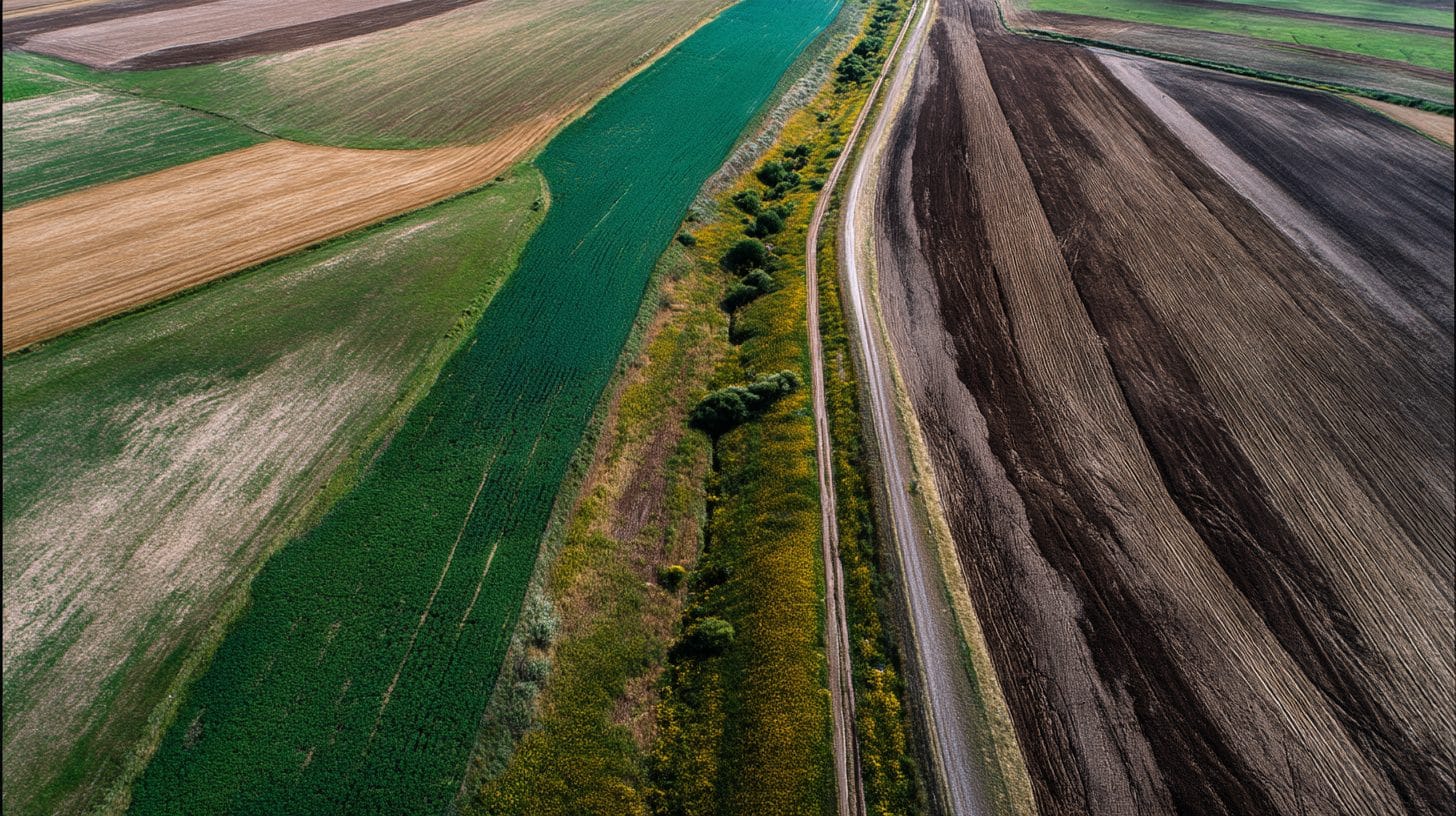
How to Use Satellite and Aerial Imagery for Land Research in Romania
The continuous evolution of technology has enabled a revolution in land research methodologies, significantly enhancing the tools available for scientists, policymakers, and environmental researchers. In Romania, satellite and aerial imagery have emerged as essential resources in performing comprehensive land research. The unique geographical and ecological features of Romania, combined with the advanced capabilities of satellite and aerial imagery, offer unprecedented opportunities for understanding land use, monitoring environmental changes, and aiding in effective urban planning. This extensive guide will explore the strategies to effectively utilize satellite and aerial imagery for land research in Romania while ensuring the content is optimized for the keyword satellite aerial imagery land research Romania.
Understanding Satellite and Aerial Imagery
Satellite imagery refers to the images of Earth captured by satellites orbiting the planet. These images are collected at varying resolutions and wavelengths, making them useful for various land research applications. On the other hand, aerial imagery is captured from aircraft or drones at lower altitudes and provides highly detailed photographs of the Earth’s surface. Both forms of imagery are invaluable for researchers conducting land studies in Romania, as they can provide insights into land cover, vegetation patterns, urban development, and the impacts of climate change.
Identifying the Right Tools and Platforms
To optimize the use of satellite and aerial imagery for land research in Romania, researchers should familiarize themselves with different available tools and platforms. Key satellites that provide useful imagery include Landsat, Sentinel-2, and MODIS. These satellites offer open-access data that is instrumental in monitoring land use changes, agricultural practices, and ecological systems.
Additionally, numerous platforms provide processed imagery and analytical tools, such as Google Earth Engine, ArcGIS Online, and QGIS. These platforms enable researchers to visualize, analyze, and share data, facilitating collaborative efforts in land research.
Data Acquisition and Processing
Acquiring satellite and aerial imagery is the first step in leveraging these technologies for land research in Romania. Depending on the research objectives, one may require images with specific spectral bands, resolutions, and revisit times. For instance, when investigating agricultural practices, high-resolution images from drones may offer greater detail, while satellite data may be sufficient for broader land use analysis.
Once the imagery is acquired, processing it is crucial to derive meaningful insights. Essential processes may include image correction, which involves removing atmospheric distortions and geometric inaccuracies. Software tools such as ERDAS Imagine, ENVI, and QGIS are valuable for performing image processing tasks, allowing researchers to prepare the data for further analysis effectively.
Conducting Analyses for Diverse Applications
The versatility of satellite and aerial imagery allows for various applications in land research. In Romania, researchers can utilize imagery to analyze:
1. Land Use and Land Cover Changes: Remote sensing technology enables the monitoring of land-use changes over time, providing insights into urban sprawl, agricultural expansion, and deforestation. Researchers can leverage time-series analyses to understand how land use has evolved, aligning findings with historical data to conduct comprehensive studies.
2. Environmental Monitoring: Satellite and aerial imagery can be instrumental in assessing the health of ecosystems and identifying environmental challenges such as land degradation, deforestation, and pollution. Through various analytical methods, including vegetation indices and change detection algorithms, researchers can evaluate the ecological impacts of human activities.
3. Urban Planning: As cities in Romania continue to grow, satellite and aerial imagery are essential for urban planning initiatives. Planners can utilize high-resolution aerial images to identify land suitable for development, assess existing infrastructure, and analyze spatial relationships among urban components. Coupled with Geographic Information Systems (GIS), satellite images can inform decisions on zoning, transportation planning, and community development.
4. Disaster Management: The geography of Romania makes it susceptible to various natural hazards, including floods, landslides, and earthquakes. Satellite and aerial imagery play a vital role in disaster preparedness and response. Researchers can use imagery pre- and post-disaster to assess damage, identify affected areas, and assist in recovery efforts.
5. Agriculture and Crop Monitoring: Agriculture remains a cornerstone of the Romanian economy, and remote sensing techniques have become indispensable in agronomy. Researchers can use satellite imagery to monitor crop health, assess yields, and manage agricultural resources more effectively. High-resolution aerial images obtained through drones can provide rapid assessments of field conditions, allowing farmers to implement timely interventions.
Integrating Ground Truth Data
While satellite and aerial imagery is powerful, integrating ground truth data is essential for validating analyses. Field surveys, soil samples, and on-the-ground observations enrich the data obtained from remote sensing, ensuring accuracy and reliability. Collaboration with local universities and environmental organizations can facilitate the collection of ground truth data, enhancing research outcomes.
Emphasizing Data Sharing and Collaboration
Collaboration and data sharing are crucial for advancing land research in Romania. Academic institutions, governmental agencies, and non-profit organizations can leverage satellite and aerial imagery collaboratively to address common land-related challenges. Creating a centralized database for sharing imagery and research findings promotes transparency and fosters collective efforts toward environmental stewardship.
Conclusion
The integration of satellite and aerial imagery into land research methodologies presents a transformative opportunity for understanding and managing Romania’s diverse landscape. By implementing advanced tools and techniques, utilizing robust data sources, and emphasizing collaboration, researchers can generate impactful analyses and improve decision-making processes in land management. As technology continues to evolve, the applications of satellite aerial imagery land research Romania will undoubtedly expand, ensuring sustainable and informed stewardship of the nation’s land resources. Enhanced understanding of Romania’s unique environments through comprehensive land research will contribute significantly to the nation’s ecological health, economic development, and social equity.
Interested in Land Investment in Romania?
We specialize in high-yield land and property opportunities for serious investors.
VIEW OUR CURRENT PORTFOLIOSecure your investment with Land For Investors.

Published: April 13, 2025