

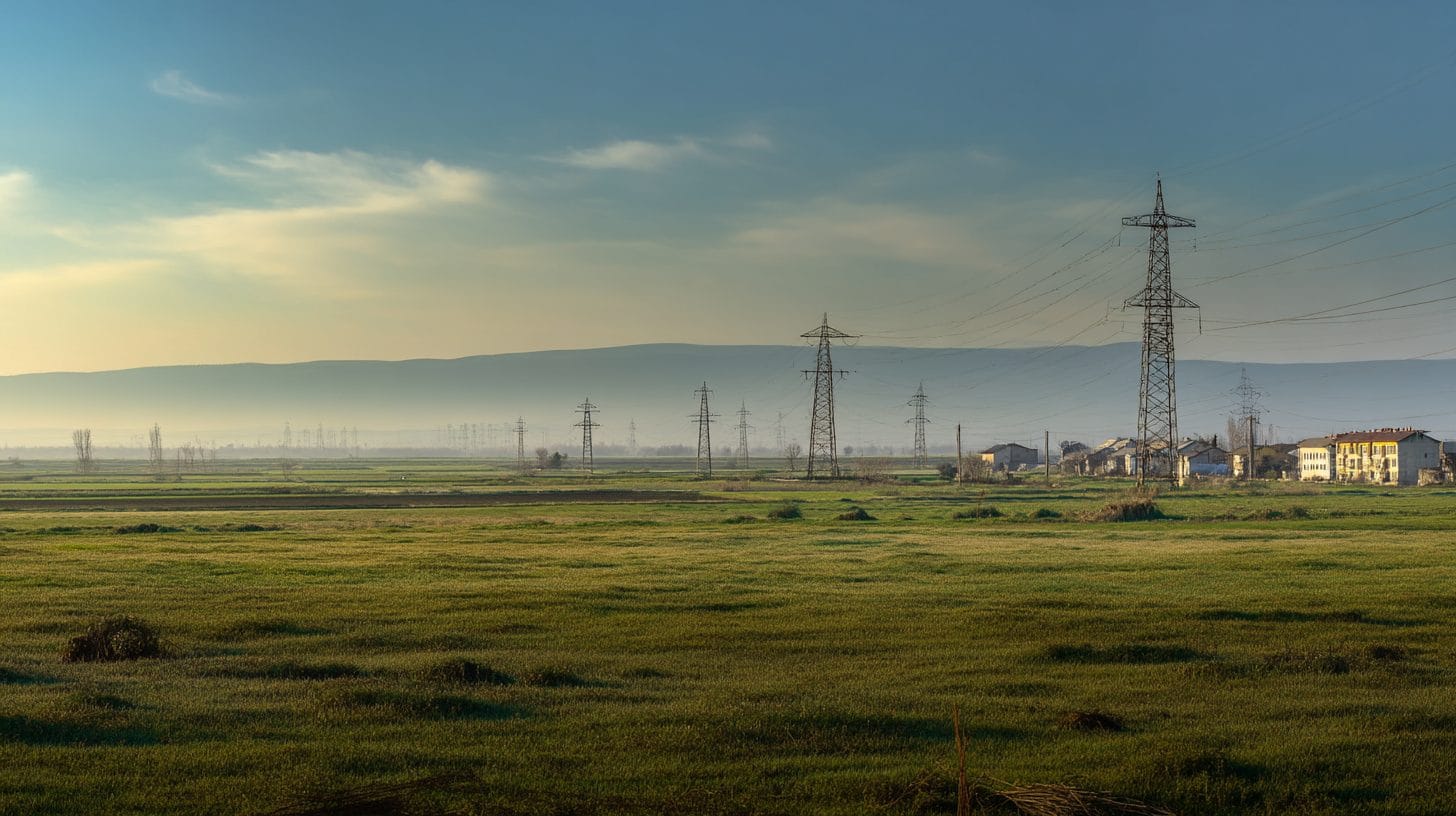
A Guide to Analyzing Historical Land Price Trends in Romania
Understanding historical land price trends in Romania is essential for investors, developers, and policymakers. This comprehensive guide aims to shed light on the intricacies of land price fluctuations over time, informing stakeholders about the factors influencing these trends and providing insight into future expectations.
Romania has experienced significant economic changes since the end of communist rule in the late 1980s. The advent of market mechanisms led to various factors impacting land prices, including urbanization, legislative changes, global economic influences, and domestic real estate demand. This article will explore the historical land price trends in Romania, examining key periods, contributing factors, and analytical methodologies to provide a holistic view of the landscape.
Historical Overview of Land Prices in Romania
To grasp the current landscape of land prices in Romania, one must first explore its historical context. The transition from a centrally planned economy to a market-based system profoundly affected land tenure and pricing. Land privatization began in the early 1990s, where agricultural and urban lands were returned to former owners or their heirs. This process significantly affected market dynamics, resulting in an increased demand for land, thereby pushing prices upward.
In the late 1990s and early 2000s, Romania experienced robust economic growth driven by foreign investment and globalization. This period saw rising land prices, particularly in urban areas like Bucharest and Cluj-Napoca, as developers sought to capitalize on increased demand for housing and commercial spaces. In 2008, the global financial crisis temporarily disrupted this growth, resulting in a drop in land prices across various regions.
Post-crisis recovery has been marked by a resurgence in the real estate market, with land prices gradually rebounding. The expansion of the European Union (EU) also played a crucial role in stabilizing investment flows and contributing to the upward pressure on land prices, particularly in urban centers.
Factors Influencing Land Price Trends in Romania
Several factors influence historical land price trends in Romania. Understanding these factors aids in the analysis and forecasting of future trends.
1. Economic Growth and Development: Economic indicators such as GDP growth, industrial development, and employment rates directly influence land prices. As Romania’s economy continues to develop, particularly in urban areas, a growing middle class drives demand for residential and commercial properties.
2. Urbanization: Rapid urbanization has transformed Romania’s cities, stimulating demand for land. As more people move to urban centers for better employment opportunities and living standards, the resulting demand contributes to upward price trends.
3. Infrastructure Development: The expansion and modernization of infrastructure, such as transportation and utilities, positively influence land prices. Improved access to services often makes nearby lands more desirable for development.
4. Agricultural Policies: Since a considerable portion of land in Romania remains agricultural, agricultural policies and EU subsidies significantly impact land prices. Changes in regulations or investment in agricultural technology can shift the value of agricultural land.
5. Legislation and Property Rights: The 1991 Land Law, which allowed private ownership, has been instrumental in shaping the land market. Legal clarity regarding property rights is crucial for ensuring investor confidence and encouraging market trading.
6. Foreign Investment: Romania has seen increased interest from foreign investors, particularly in real estate and agricultural sectors. This influx often leads to higher demand and increased prices, particularly in prime locations.
7. Demographic Trends: Changes in population dynamics, such as aging populations or migration patterns, can significantly affect land demand. In Romania, urban-to-rural migration and population shifts influence demand for residential and agricultural land.
Analyzing Historical Land Price Trends in Romania
When analyzing historical land price trends in Romania, various methodologies and tools can be employed. Here are some key considerations:
1. Data Collection: Reliable data is essential for any analysis. Historical land price data can be sourced from government agencies, real estate platforms, and municipal records. Look for data disaggregated by region, type of land, and purpose (residential, commercial, industrial, or agricultural) for a comprehensive view.
2. Time Frame Selection: Choosing an appropriate timeline for analysis is crucial. Examine long-term trends (over decades) to identify significant changes and short-term trends (yearly or quarterly) for more granular insights, allowing for a nuanced understanding of price movements.
3. Regional Disparities: Land prices can vary dramatically across regions. Conducting a regional analysis enables stakeholders to identify hotspots for investment opportunities or underperforming areas that may require further development.
4. Econometric Modeling: Employing econometric models can aid in identifying correlations between land prices and influencing factors. Regression analysis can quantify how different variables impact land prices, leading to better predictive insights.
5. Visualizing Data: Graphical representation of data can help illuminate trends and make complex information more accessible. Use charts or heat maps to visualize historical price changes across regions and correlate them with economic indicators.
6. Consulting Professionals: Collaborating with real estate analysts, economists, and local experts can provide additional layers of insight based on qualitative factors, further enriching the analysis.
Future Outlook for Land Prices in Romania
With ongoing economic developments, Romania is likely to continue witnessing fluctuating land prices. Investors and stakeholders must stay vigilant about emerging trends that may impact the market. For instance, as Romania embraces EU policies aimed at sustainability and environmental protection, certain regulations may shape agricultural land pricing differently.
In addition, demographic shifts, such as youth migration to urban areas and the country’s response to climate challenges, will likely influence long-term land price trends. Urban planning initiatives, infrastructural projects, and the evolving political landscape will remain crucial factors that mold the future of land pricing.
Conclusion
Analyzing historical land price trends in Romania equips investors, developers, and policymakers with fundamental insights to navigate the complex real estate landscape. Understanding the historical context, critical influencing factors, effective analytical methodologies, and forecasting future trends will strengthen the ability to make informed decisions and strategic investments. As Romania continues to grow and evolve, staying abreast of these dynamics will be paramount to capitalizing on opportunities within the land market. With careful analysis and consideration, stakeholders can position themselves to successfully respond to the ever-changing environment of land prices in Romania.
Interested in Land Investment in Romania?
We specialize in high-yield land and property opportunities for serious investors.
VIEW OUR CURRENT PORTFOLIOSecure your investment with Land For Investors.

Published: April 13, 2025