

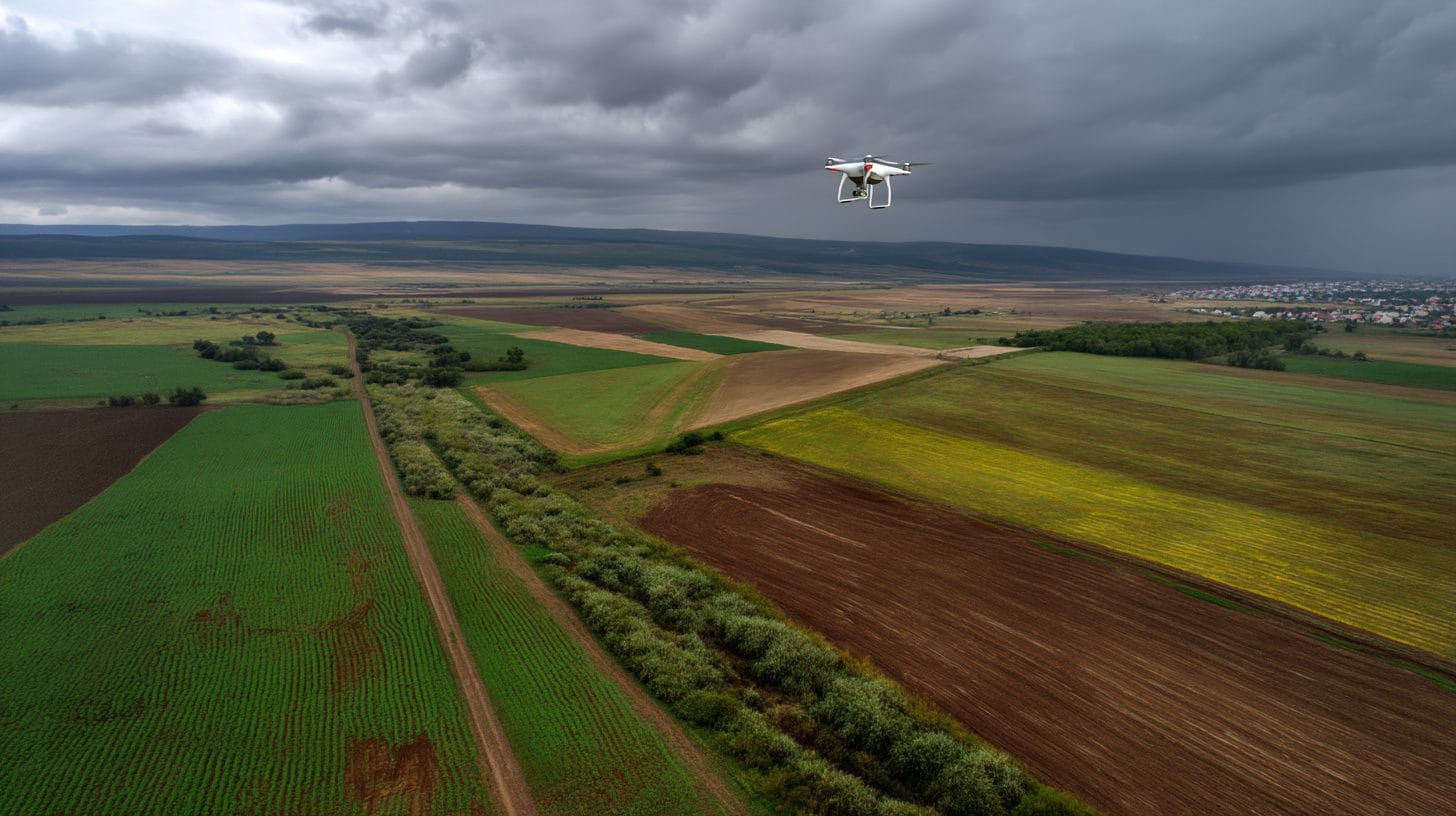
How to Identify Land Suitable for Solar Farm Development on Bucharest’s Ring Road
The search for sustainable energy solutions is increasingly becoming a priority globally, with solar power leading the charge. As a result, solar farm development is emerging as an attractive investment opportunity, particularly in urbanized areas with significant land potential like Bucharest’s ring road. Identifying suitable land for solar farm development on Bucharest’s ring road requires a multifaceted approach encompassing environmental, regulatory, and economic considerations. This article aims to elucidate the factors necessary for identifying optimal land for solar farm development within this area.
Understanding the Characteristics of Solar Farm Development Land
When considering land for solar farm development around Bucharest’s ring road, it is essential to assess various criteria to ensure both functionality and compliance with local regulations. The following elements are crucial in identifying suitable solar farm development land:
Solar Irradiation Levels
The efficiency of a solar farm is largely determined by the amount of sunlight the location receives annually. Solar irradiation measures the energy produced by the sun’s rays and is typically expressed in kilowatt-hours per square meter (kWh/m²). Before committing to solar farm development in Bucharest, prospective developers should analyze historical solar irradiation data and maps provided by institutions like the Romanian National Meteorological Administration. Generally, areas that receive high solar irradiance and have fewer obstructions, such as tall buildings or trees, are preferable for solar farms.
Land Topography
A key aspect affecting solar farm efficacy is the topography of the land. The ideal terrain for solar photovoltaic panels is flat or gently sloped to minimize installation complexities and maintenance costs. Additionally, a proper assessment of the area allows for maximum sunlight exposure, thereby increasing overall production efficiency. Developers should perform a detailed analysis of the topographic maps of the Bucharest ring road region to identify parcels of land that maintain suitable elevation and gradient levels.
Proximity to Electrical Infrastructure
Another crucial criterion for selecting solar farm development land is its proximity to existing electrical infrastructure. The feasibility of connecting the solar farm to the grid is essential, as it ensures that the generated energy can be fed into existing networks efficiently. Assessing the location relative to substations, distribution lines, and transmission networks in the vicinity of Bucharest’s ring road is paramount. Areas with close access to existing infrastructure tend to require lower investment costs and quicker return on investment.
Land Use Regulations and Zoning Laws
Appropriate land use regulations and zoning laws significantly influence the viability of solar farm projects on Bucharest’s ring road. It is essential for developers to familiarize themselves with local zoning codes, which outline permissible land uses, as well as any restrictions on building heights, aesthetics, and ecological protections that may apply. Engaging with local urban planning offices and conducting thorough research on the zoning maps is advisable to ensure land is classified for renewable energy projects. Additionally, assessment of any ecosystems or agricultural priorities around Bucharest is vital, as land conservation laws could impose restrictions on development.
Environmental Impact Assessments
In Romania, solar farm developers must conduct environmental impact assessments (EIAs) as part of the permitting process. These assessments evaluate the potential effects of development on local ecosystems, water resources, and wildlife habitats. For land at Bucharest’s ring road, conducting a thorough EIA can help identify any environmental constraints or sensitivities and also provide strategies to mitigate negative impacts. Examples may include habitat preservation, integration of vegetation to enhance biodiversity, and resource management strategies that align with sustainable development goals.
Soil Quality and Stability
Apart from topographic considerations, the soil quality and stability of the land selected for solar farm development are crucial. Assessing soil composition determines its load-bearing capacity and drainage characteristics, which are necessary for supporting heavy solar panel installations and associated infrastructure. Engaging a geotechnical engineer to conduct soil testing and analysis will inform developers about potential soil-related challenges or improvements required to ensure a stable and reliable solar farm operation.
Accessibility and Logistics
Accessibility to the site is another essential factor in identifying suitable solar farm development land on Bucharest’s ring road. The ability to transport materials, equipment, and personnel can significantly impact the operational efficiency of solar power projects. An analysis of the road networks, transportation hubs, and logistical considerations surrounding the identified land can streamline the implementation process. Proximity to skilled labor and equipment suppliers can also influence the development timeline and budget.
Economic Viability
Lastly, a comprehensive evaluation of the economic viability associated with solar farm development in Bucharest is crucial. This encompasses understanding the local energy market, electricity prices, and government policies supporting renewable energy initiatives. Evaluating potential revenue through energy sales, incentives, and grants can contribute to a compelling business case. Developers may also want to consider potential partnerships with governmental and non-governmental organizations to further enhance financial viability.
Conclusion
Identifying suitable land for solar farm development on Bucharest’s ring road involves a diligent assessment of multiple factors, including solar irradiation levels, topography, electrical infrastructure, land use regulations, environmental considerations, soil quality, site accessibility, and economic feasibility. By taking a comprehensive approach, developers can strategically choose land that maximizes the potential for a successful and sustainable solar farm operation.
As Romania emphasizes renewable energy, developers who prioritize these criteria will not only contribute to the country’s energy transition but also position themselves favorably in the burgeoning solar market along Bucharest’s ring road.
Interested in Land Investment in Romania?
We specialize in high-yield land and property opportunities for serious investors.
VIEW OUR CURRENT PORTFOLIOSecure your investment with Land For Investors.

Published: March 23, 2025