

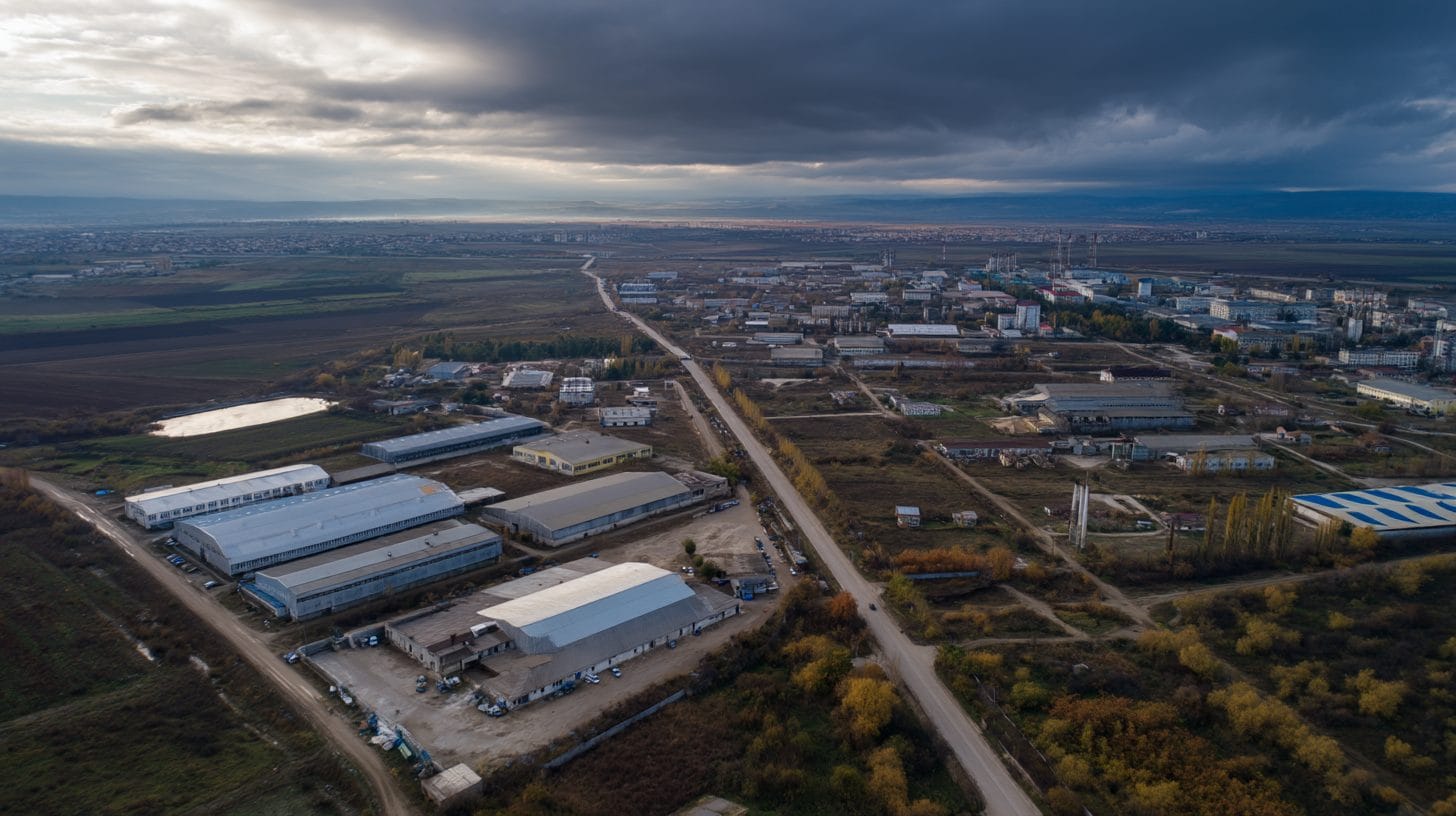
A Guide to Buying Industrial Land on Bucharest’s Ring Road
In today’s fast-evolving economic landscape, particularly in Eastern Europe, the demand for industrial land is surging, and Bucharest is at the forefront of this transformation. Its strategic location, coupled with booming logistics and manufacturing sectors, makes the Bucharest Ring Road an attractive area for businesses and investors seeking industrial land. If you are considering industrial land buying in the Bucharest Ring Road area, understanding the process, from identifying the right location to navigating legalities, is crucial for ensuring a successful purchase.
Understanding the Importance of Bucharest’s Ring Road
Bucharest’s Ring Road is not only a critical transport link for the city but also serves as a gateway to various industrial zones. It boasts proximity to major highways, railroads, and the Henri Coandă International Airport, facilitating seamless logistics and supply chain operations. This connectivity enhances the potential for businesses, making industrial land on the Ring Road desirable for manufacturing, warehousing, and distribution.
Market Trends and Investment Opportunities
Before diving into the specifics of industrial land buying in Bucharest’s Ring Road, it is essential to analyze current market trends. The demand for industrial properties across Romania has seen a significant uptick in recent years, influenced by factors such as foreign investments, a shift to e-commerce, and an overall increase in manufacturing activities. Investing in industrial land along the Ring Road can yield substantial returns. Prospective buyers should consider these trends and focus on areas with planned infrastructure developments or government incentives to maximize their investment.
Identifying the Right Location
Choosing the right location is pivotal when considering industrial land buying in Bucharest’s Ring Road. Several factors come into play, including accessibility, nearby amenities, and the nature of the surrounding industrial ecosystem. Here are some critical aspects to assess:
1. Accessibility: Evaluate how easily transportation networks, such as roads, railways, and airports, connect to the parcel of land. The Ring Road’s layout, with its intersections and exits, can greatly influence logistical efficiency.
2. Nearby Amenities: Consider proximity to suppliers, labor pools, and other essential services such as banks and distribution centers. Being positioned close to these amenities could enhance operational efficiency and attract skilled labor.
3. Zoning Regulations: Verify the zoning restrictions that apply to the land you are considering. Ensure the zoning aligns with your intended use, whether for manufacturing, logistics, or warehousing.
4. Environmental Factors: Investigate any environmental regulations or potential hazards that might affect land suitability. The presence of green spaces, water sources, or protected land can impact development potential.
Engaging Local Experts and Agents
Navigating the complexities of industrial land buying in Bucharest’s Ring Road necessitates the assistance of local real estate experts. Partnering with a knowledgeable agent who specializes in industrial properties helps streamline the search process. Additionally, they can provide valuable insights into market trends, property valuations, and negotiation strategies. These experts also comprehend the region’s legal landscape, enabling smoother transactions.
Conducting Due Diligence
Once potential sites are identified, performing thorough due diligence is crucial. This step involves several components:
1. Title and Ownership Verification: Confirm the legal ownership of the property and look for any liens, encumbrances, or disputes related to it.
2. Environmental Assessments: Assess the environmental history of the property to avoid liabilities associated with contamination or other environmental hazards. This may involve hiring environmental experts to conduct assessments.
3. Infrastructure Assessments: Inspect the existing infrastructure, such as utility access (water, gas, electricity), existing buildings, and planned road improvements. Understanding these factors will inform future development costs.
4. Financial Feasibility: Evaluate the financial aspects of the purchase, taking into account elements such as taxes, development costs, and the potential return on investment.
Understanding Financing Options
Understanding your financing options is essential when considering industrial land buying in Bucharest’s Ring Road. There are multiple avenues available, including loans from traditional banks, private financing, or investment partnerships. When assessing your financing options, consider the following:
1. Loan Terms: Different lenders may offer varying terms, interest rates, and repayment periods. Be sure to compare multiple offers.
2. Down Payment Requirements: Generally, a down payment percentage is required. Ensure you are prepared to meet these requirements to secure financing.
3. Investment Partnerships: If financing the purchase independently is challenging, consider forming a partnership with other investors. This approach allows pooling of resources, reducing individual financial burdens.
Navigating Legal and Regulatory Aspects
Understanding the legal framework surrounding industrial land transactions is crucial for successful investment. This involves familiarizing yourself with laws and regulations that govern land use, taxes, and development processes in Romania. Engage a local attorney specializing in real estate to assist with legal due diligence, accentuating the following:
1. Zoning Laws: Ensure compliance with the local zoning codes for industrial use and uncover any limitations or requirements for building permits.
2. Permits and Licensing: Investigate the permits required for construction and operation according to local regulations, as well as any specific industrial licenses necessary for your business.
3. Taxes and Fees: Familiarize yourself with local taxes applicable to property ownership, including property taxes, business taxes, and any development-related fees.
Planning for Development
Once you have acquired the industrial land, careful planning is required to ensure optimal use of the property. This includes:
1. Engaging Architects and Engineers: Collaborate with architects and engineers to plan your facility’s design effectively, considering future expansion possibilities.
2. Site Development: Establish site development plans, including the layout for buildings, parking, and transportation access.
3. Environmental Compliance: Ensure all construction adheres to environmental regulations, including waste disposal and emissions standards.
4. Project Management: Consider hiring a project manager to oversee the construction process, ensuring projects stay within budget and timeframe.
Conclusion
Industrial land buying in Bucharest’s Ring Road presents a fantastic opportunity for investors seeking to capitalize on the region’s economic growth. With its advantageous location, market demand, and supportive infrastructure, Bucharest’s Ring Road is a prime location for various industrial applications. By adhering closely to the guidelines outlined in this article—conducting thorough research, engaging local experts, and understanding the regulatory framework—you will be on the right path to successfully acquiring and developing industrial land in this dynamic and promising area. As the economy continues to grow, so does the potential for significant returns on your investment in Bucharest’s Ring Road industrial land market.
Interested in Land Investment in Romania?
We specialize in high-yield land and property opportunities for serious investors.
VIEW OUR CURRENT PORTFOLIOSecure your investment with Land For Investors.

Published: March 23, 2025