

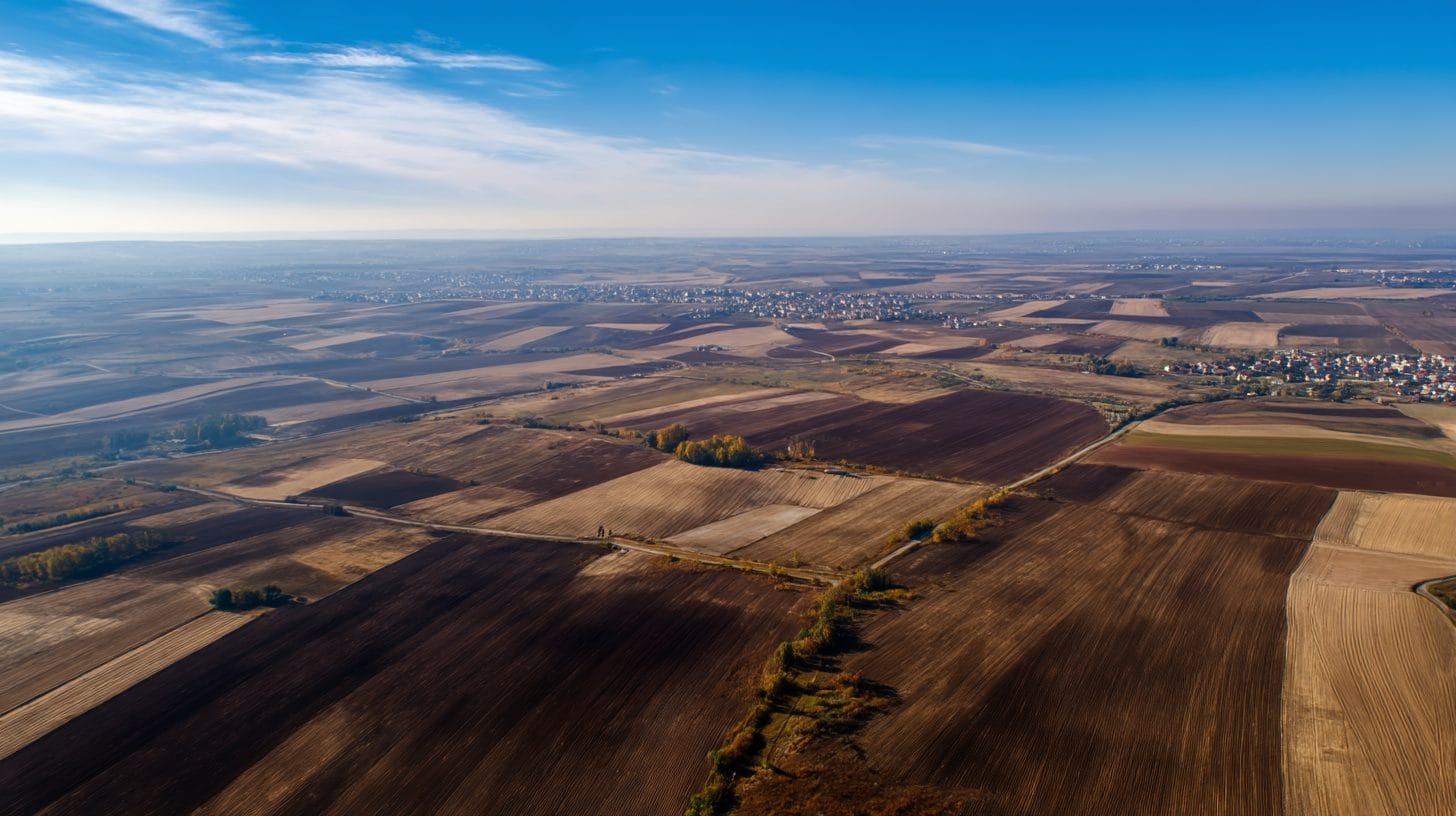
How to Identify Land Suitable for Solar Farm Development in Romania
In recent years, the global shift towards renewable energy has intensified, with solar power emerging as one of the leading solutions for sustainable energy generation. Romania, with its significant solar potential, has attracted both domestic and international investors seeking to establish solar farms. The first crucial step in the solar farm development process is identifying suitable land for solar farm development in Romania. This article delves into the steps, considerations, and requirements necessary for land identification, ensuring a smooth transition from concept to implementation.
Understanding the Regulatory Landscape
Before considering any land for solar farm development in Romania, it is fundamental to understand the regulatory framework governing renewable energy. The Romanian energy sector is regulated by the National Energy Regulatory Authority (ANRE), which oversees the energy market’s functioning, including solar energy generation. To develop a solar farm, developers must familiarize themselves with local regulations, environmental assessments, and grid connection requirements. Engaging with local authorities early in the planning process can ensure compliance and highlight any specific regional zoning laws or restrictions.
Evaluating Solar Potential
The suitability of land for solar farm development in Romania is inherently linked to the solar irradiance received in a specific region. Various factors, such as geographical location and climate, influence solar potential. Several online tools and databases provide solar maps that indicate areas with high levels of solar irradiance and optimal conditions for solar energy production.
Regions in southern Romania, such as Dobrogea and Oltenia, have proven to be particularly advantageous owing to their extensive sunlight exposure. Conducting a solar feasibility study, which may include shadow analysis, will help developers understand how much sunlight the proposed site receives throughout the year, assisting in predicting energy output and determining the efficiency of the solar panels.
Land Characteristics and Site Selection Criteria
Identifying appropriate land for solar farm development involves assessing various physical and environmental characteristics of the site. The following criteria should be thoroughly evaluated:
1. Land Size: A minimum land area is typically required to establish a viable solar farm. The size may differ based on the project scale but generally falls within the range of several hectares. The amount of land will directly impact the number of solar panels installed and the overall energy output.
2. Land Topography: Flat land with minimal elevation changes is preferable, as it simplifies construction and installation while maximizing solar exposure. Site topography should be assessed for potential obstructions such as nearby buildings, trees, and mountains that might cast shadows on the solar panels.
3. Land Use: Developers should ensure the land is not currently in use for agriculture, forestry, or any other conflicting land use. In Romania, agricultural land may come with constraints regarding alterable use, necessitating a review of local land-use regulations.
4. Soil Quality and Stability: The soil composition should be stable enough to support the foundations of solar panels while being free from excessive moisture or contamination. Site investigation can pinpoint any geological issues that could arise during construction.
5. Proximity to Power Infrastructure: the chosen land must be close to existing transmission lines or substations to facilitate the efficient connection of the solar farm to the grid. Projects often require extensive infrastructure upgrades if the site is located far from grid connections, increasing costs and project timelines.
6. Environmental Impact: An environmental impact assessment (EIA) must evaluate the potential risks posed to local biodiversity and ecosystems. Developers should avoid areas with significant wildlife habitats, thus minimizing adverse effects on the environment and helping secure local community support.
Community Engagement and Local Stakeholder Involvement
Local community engagement is paramount in identifying suitable land for solar farm development in Romania. Securing social acceptance can make or break a project’s success. Engage with community stakeholders early in the process to inform them about the project’s benefits, including job creation, economic stimulation, and contribution to energy independence. Hosting community meetings and information sessions can facilitate dialogue, address concerns about land use, and foster transparency.
Additionally, partnerships with local governments and organizations can provide valuable resources and support, while also helping to navigate regulatory investigations and approvals.
Assessing Financial Viability
Choosing suitable land for solar farm development in Romania also entails considering the financial viability of the project. Developers need to assess factors such as land lease costs, potential incentives from local governments, solar energy subsidies, and the overall financial environment for renewable energy investments in Romania. The Romanian government has committed to increasing the share of renewable energy sources in its energy mix, presenting an excellent opportunity for investors willing to enter the market.
It’s essential to analyze various models of land acquisition, including leasing versus purchasing, from both a short-term and long-term perspective. Creating a financial model that evaluates costs, potential revenue from energy sales, and return on investment (ROI) will ultimately lead to informed decision-making.
Conclusion
Identifying land suitable for solar farm development in Romania is a strategic process that requires careful consideration of numerous factors, including regulatory landscapes, solar potential, land characteristics, community engagement, and financial viability. The commitment to renewable energy is crucial for achieving energy independence and reducing carbon emissions, making it vital for developers to select appropriate sites for solar farms capitalizing on Romania’s abundant solar resources.
By approaching the land identification process with precision and thoroughness, investors can position themselves favorably within a promising market while contributing to a greener, sustainable future for Romania. As the world gradually transitions to renewable energy, the growing focus on solar farm development will play a critical role in the economic and environmental landscape of the nation. Therefore, it is advisable for developers to stay informed about the evolving regulatory context and emerging market trends, positioning their solar initiatives for success in this dynamic field.
Interested in Land Investment in Romania?
We specialize in high-yield land and property opportunities for serious investors.
VIEW OUR CURRENT PORTFOLIOSecure your investment with Land For Investors.

Published: April 16, 2025