

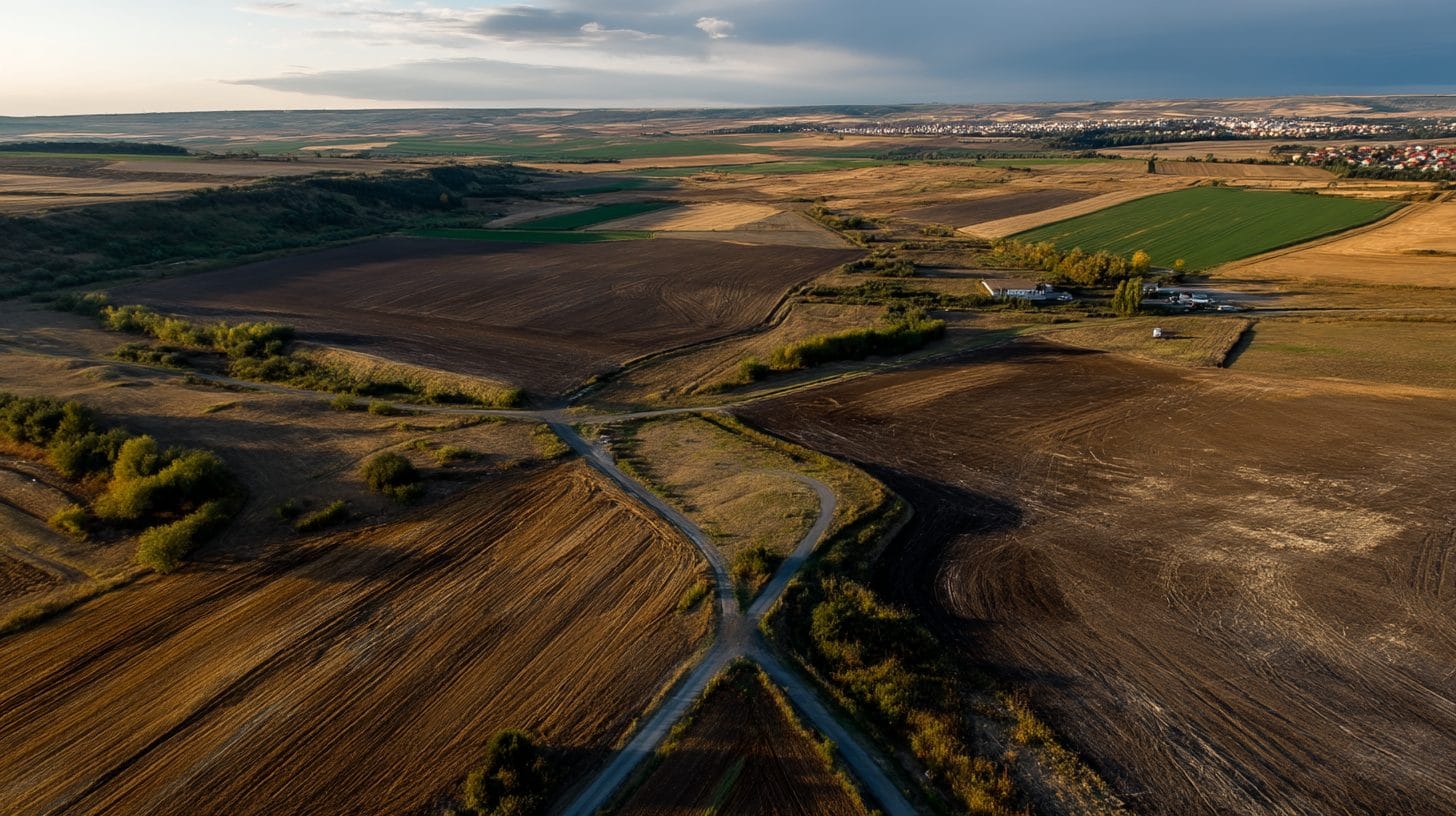
A Guide to Buying Industrial Land in Romania
In recent years, Romania has emerged as a prime destination for industrial investments, attracting businesses from various sectors looking to capitalize on its strategic location and favorable economic landscape. If you are considering acquiring industrial land in Romania, this comprehensive guide will outline the essential aspects you need to consider to ensure a successful transaction.
1. Understanding the Romanian Market
Romania’s industrial landscape has been undergoing a transformation due to modernization efforts, increasing foreign investments, and a skilled workforce. Key cities such as Bucharest, Cluj-Napoca, Timișoara, and Iași have become industrial hubs that offer competitive advantages, such as proximity to major transport routes and access to a burgeoning consumer market. Before embarking on your industrial land buying journey in Romania, familiarize yourself with the current trends, regulations, and economic indicators that could impact your investment.
2. Determining Your Requirements
Before you start your search for industrial land, it is vital to clarify your specific needs. Considerations such as the type of industry you wish to establish, the size of land required, and location preferences can significantly influence your search. Do you require access to established infrastructure such as railroads, highways, or ports? Are you looking for land in an industrial zone designated for specific types of use? Make a detailed list of your requirements to streamline the buying process.
3. Legal Framework for Industrial Land Acquisition
When purchasing industrial land in Romania, it is essential to understand the legal framework governing real estate transactions. Significant regulations dictate land acquisition, particularly for foreign investors. Generally, foreign individuals and companies can acquire Romanian land, although certain limitations may apply, particularly in agricultural regions. It is crucial to consult with a local attorney specializing in real estate to navigate potential legal hindrances and ensure compliance with all applicable laws.
4. Assessing Location and Accessibility
The suitability of the land’s location is paramount to your industrial venture’s success. Consider proximity to suppliers, potential customers, and access to transportation logistics. Areas with established industrial parks often provide additional benefits such as well-developed infrastructure, utilities, and business support services. Additionally, evaluate the region’s economic environment, including tax incentives, workforce availability, and local government policies that promote industrial development.
5. Conducting Due Diligence
Due diligence is a critical step in the industrial land buying process. This phase involves verifying the property’s legal status, zoning regulations, and any encumbrances that might affect your acquisition. Engage local professionals to conduct thorough research, including land surveys and environmental assessments, to ensure that the property is suitable for your intended use. Scrutinize title deeds, land use permits, and other relevant documentation to prevent future disputes.
6. Financial Considerations and Valuation
Understanding the financial implications of purchasing industrial land is vital. Assess your budget and determine how the investment will fit into your broader business strategy. Conduct a comprehensive valuation of the land to ensure you are making a sound investment. Engaging a local real estate expert can provide insights into market rates and help in negotiating a favorable price. In addition to the purchase price, consider ongoing costs such as property taxes, maintenance, and development expenses.
7. Financing Options
When it comes to financing industrial land in Romania, several avenues are available. Traditional bank loans are a common choice for many investors, while government grants or incentives may also be accessible for specific industries. Promotional schemes aimed at foreign investors can provide essential financial assistance, so be sure to explore all available options. Consulting with a financial advisor can help you identify the most beneficial financing structure for your needs.
8. Engaging Professional Assistance
Navigating the process of buying industrial land in Romania can be complex and legally intricate. Engaging the expertise of local professionals—ranging from real estate agents and attorneys to accountants and financial advisors—can significantly enhance your acquisition experience. These professionals are well-versed in the local landscape and can provide invaluable insights into market trends, regulatory frameworks, and negotiation tactics.
9. Negotiating the Purchase Agreement
Once you have identified a suitable property, the next step is negotiating the purchase agreement. Ensure that all terms—such as payment schedules, contingencies, and conditions of sale—are clearly defined. Pay specific attention to conditions that may impact your intended use of the land. A well-structured purchase agreement protects both the buyer’s and seller’s interests and lays the foundation for a successful transaction.
10. Closing the Deal
The final phase of buying industrial land in Romania involves closing the deal. This process typically includes signing the purchase agreement, transferring the title of the property, and fulfilling any necessary registration requirements. In Romania, property transfers must be notarized, so ensure that you work with a local notary public to facilitate this process. After the sale, register the property with the local land registry to ensure legal ownership.
11. Post-Purchase Considerations
After acquiring the industrial land, you may need to undertake various steps before commencing operations. This may include securing building permits, adhering to local environmental regulations, and complying with labor laws. Staying connected to local authorities, industry associations, and relevant stakeholders can facilitate smoother operations and contribute to your business’s long-term success.
In conclusion, buying industrial land in Romania presents a valuable opportunity for investors seeking to tap into a dynamic and growing market. By understanding the market landscape, conducting thorough due diligence, and enlisting the assistance of local professionals, you can navigate the complexities of the industrial land buying process successfully. With the right strategy and careful planning, your investment in Romania can yield significant returns and contribute to your company’s growth in the European market.
Interested in Land Investment in Romania?
We specialize in high-yield land and property opportunities for serious investors.
VIEW OUR CURRENT PORTFOLIOSecure your investment with Land For Investors.

Published: April 16, 2025