

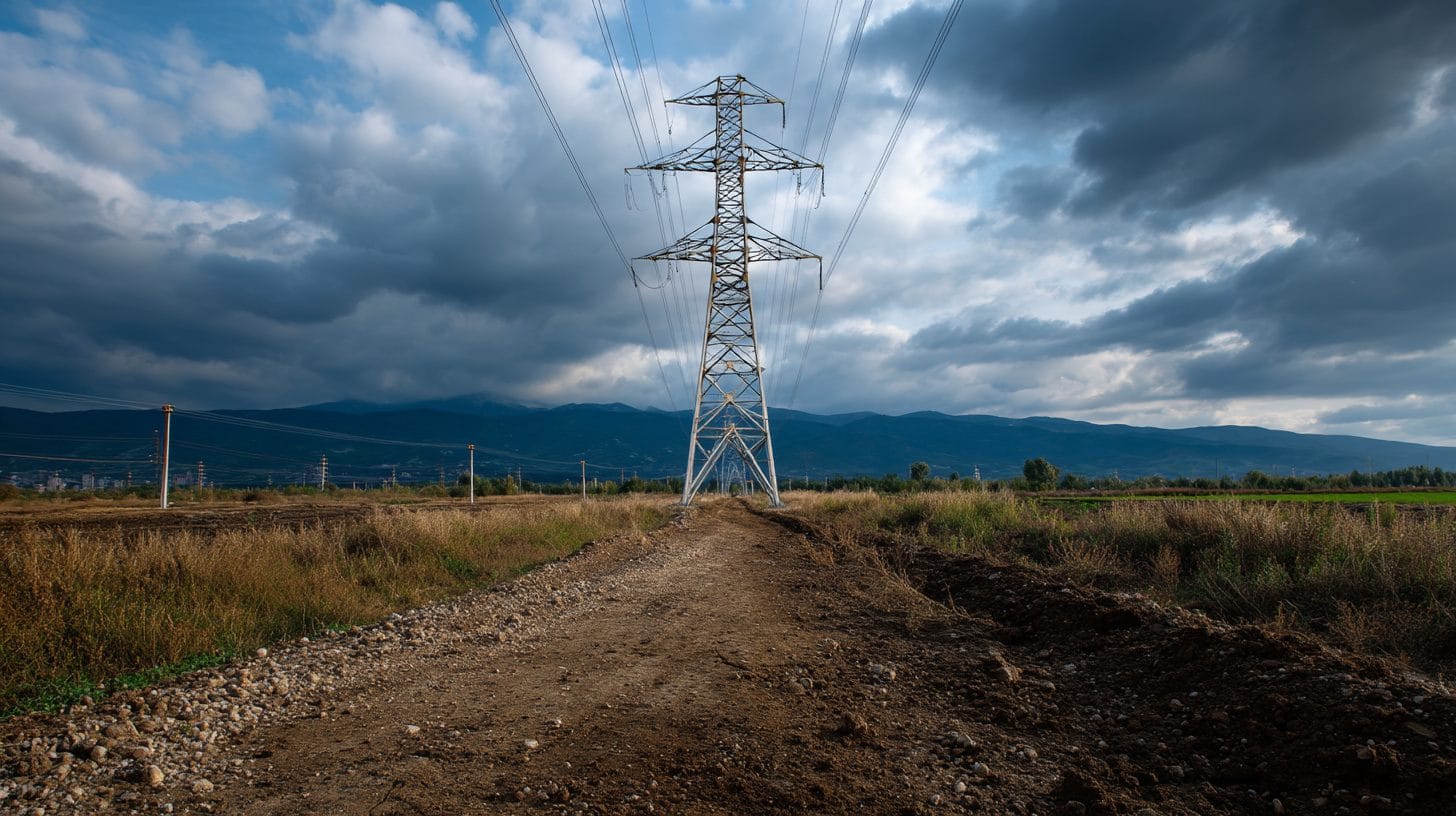
Evaluating water resources and rights for land in Romania is a complex process that requires an understanding of the legal framework governing water use, the assessment of natural water resources availability, and the integration of environmental and economic considerations. Romania, endowed with numerous rivers, lakes, and underground water sources, is situated within the Danube Basin, making the management and evaluation of its water resources essential, particularly in the context of agricultural land use and urban development.
Understanding the legal framework is paramount. In Romania, water resources are managed under the law called the Water Law, which aligns with European Union directives. This legal framework establishes that water resources are public goods and that their management falls under the jurisdiction of the state. Anyone seeking to utilize water resources must secure the appropriate permits. These permits can range from rights to withdraw water for irrigation from surface or groundwater sources to consumption rights for industrial or domestic purposes.
When evaluating land in Romania for water resources, the first step is to conduct a land-use assessment to determine the current utilization of the land and its potential for agricultural, industrial, or recreational purposes. This evaluation often includes geographic information system (GIS) analysis to map out water resources, soil type, and land use. Land close to rivers or lakes usually has better access to water resources, which can significantly influence agricultural productivity and land valuation. Additionally, areas designated for agricultural use are subject to different regulations compared to those intended for urban development or industrial use, necessitating a careful evaluation of the land’s planned use against the availability of water resources.
The hydrological balance is another critical aspect to consider. Evaluators should analyze the availability of surface water and groundwater within the region. Romania’s diverse topography affects the distribution and abundance of water resources across the country, from the Carpathians in the center to the lowlands in the east and south. It is essential to assess seasonal variations in water availability, pollution levels, and water recharge rates to get a complete picture of the existing water resources.
A priority for any land evaluation in Romania is understanding the existing water rights associated with the property. The realization that rights can differ based on ownership and location is crucial. For example, riparian rights allow landowners adjacent to a water source to utilize its resources, which can be instrumental for irrigation or livestock. Conversely, the legal constraints can restrict use in over-allocated water areas or designated environmental protection zones.
Environmental impact assessments (EIAs) play a significant role in the evaluation process. Given the increasing pressure on water resources resulting from agricultural expansion and urbanization, EIAs are critical for identifying the potential effects of land use on surrounding water resources. Conducting EIAs not only fulfills legal requirements but also aids in sustainable planning, ensuring that water resources are managed responsibly and sustainably.
In addition to understanding the legal and environmental aspects, economic considerations must be factored into the evaluation. The scarcity or abundance of water resources can affect land values. For example, land with guaranteed access to water resources in drier regions is often more valuable due to its potential for high agricultural yield. Conversely, evaluating the costs associated with obtaining water rights or building necessary irrigation infrastructure is vital for assessing the economic feasibility of land use.
Networking with local authorities, environmental agencies, and water management authorities can provide invaluable insights into water resource issues specific to the region. Engaging in stakeholder consultations can bolster community relations and can help streamline the process of obtaining any necessary permits or consultations.
Technological advancements have also improved the evaluation process of water resources for land in Romania. Data collection tools, remote sensing technologies, and modeling software can enhance accuracy and transparency in evaluating water resources. These tools can assist in predicting future water availability in relation to changing climate patterns or anthropogenic pressures, making them crucial for responsible water management.
Sustainable land management practices should form the cornerstone of any evaluation effort. The integration of water resource management with land-use planning helps in promoting practices that conserve water and protect ecosystems. For example, implementing rainwater harvesting systems, establishing buffer zones around water bodies, and transitioning to drought-resistant crop varieties can mitigate water scarcity and ensure long-term land productivity in Romania.
In conclusion, evaluating water resources and rights for land in Romania is a multi-faceted process that demands a comprehensive approach, taking into account legal, environmental, and economic dimensions. As water resources become increasingly critical for agricultural productivity and urban development in the face of climate change and population growth, understanding the available water resources for land development will be paramount. Through effective management, sustainable practices, and stakeholder collaboration, it will be possible to maximize the potential of Romania’s natural water resources while ensuring their protection for future generations. Whether one is a land developer, farmer, or investor, being well-informed about the water resources land Romania is essential for making sound decisions that align with both economic aspirations and environmental stewardship.
Interested in Land Investment in Romania?
We specialize in high-yield land and property opportunities for serious investors.
VIEW OUR CURRENT PORTFOLIOSecure your investment with Land For Investors.

Published: April 15, 2025