

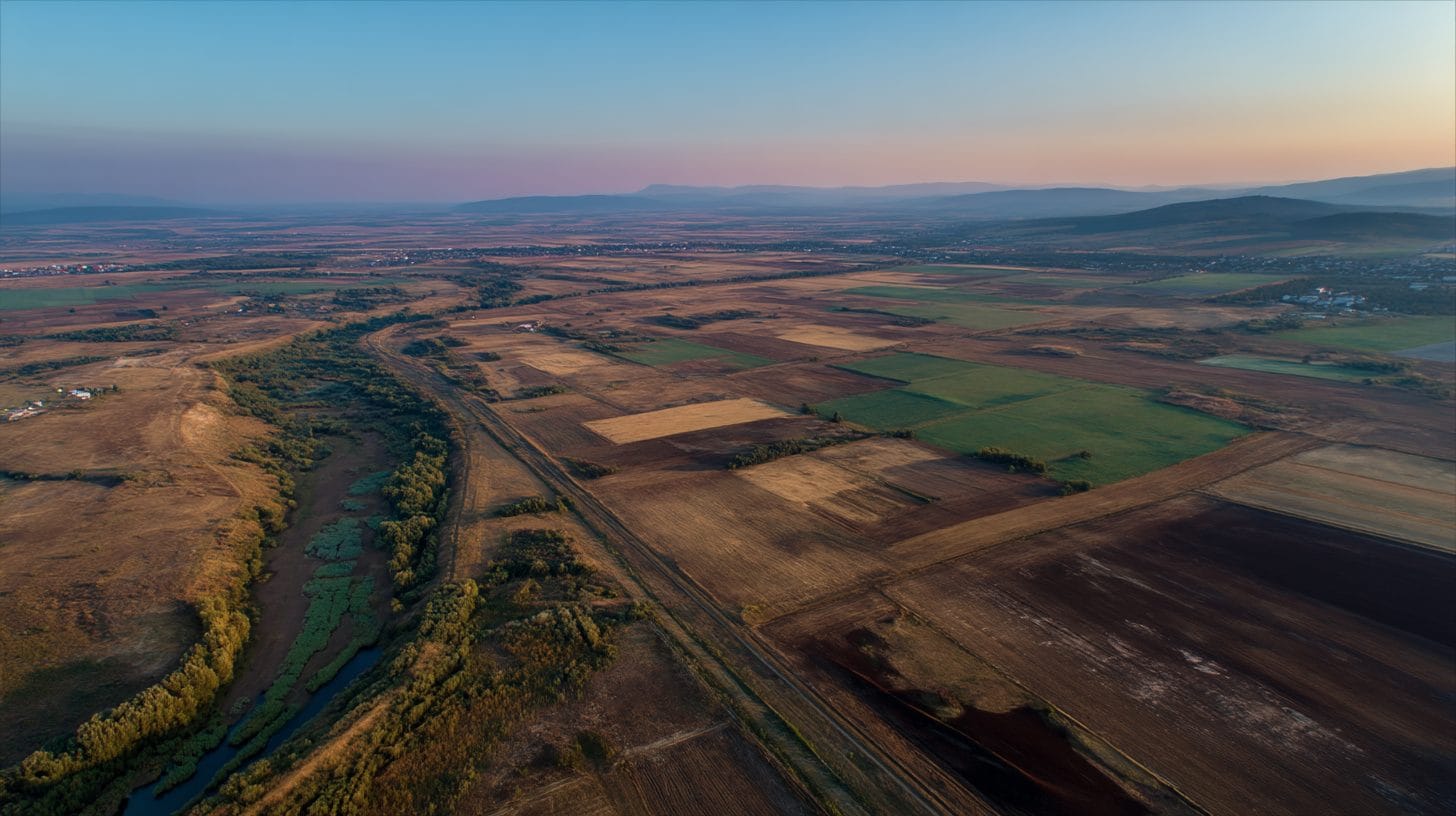
How Infrastructure Developments Affect Land Prices Near Bucharest
Infrastructure development is a critical component in the economic growth and urban planning of any city, and its impact often extends beyond urban centers to surrounding areas. In the context of Romania’s capital, Bucharest, the influence of infrastructure on land prices is particularly pronounced. This article delves into the ways in which infrastructure developments affect land prices near Bucharest, examining various factors, including transportation, utilities, and urban projects, while also considering the implications for investors, local businesses, and residents.
One of the most significant factors influencing the land prices near Bucharest is the improvement of transportation infrastructure. Bucharest is well-connected by road and rail, but ongoing upgrades and expansions offer opportunities for growth and changing dynamics in land valuations. The construction of new highways, bypasses, and metro lines can dramatically enhance accessibility to certain areas, leading to increased demand for land. For instance, areas adjacent to new metro stations or highways often experience a surge in interest from real estate developers and investors seeking to capitalize on the improved connectivity. Consequently, land prices may rise substantially in proximity to these developments.
A vivid example of this phenomenon can be observed with the expansion of the Bucharest Metro system. Areas such as Pipera, which has benefitted from increased metro accessibility, witness heightened demand for both residential and commercial properties. The result is a marked appreciation in land prices, as buyers recognize the long-term benefits of residing or operating in locations that boast convenient transportation options. This relationship between infrastructure and land price appreciation underscores the necessity for potential buyers and investors to closely monitor upcoming infrastructure projects around Bucharest.
In addition to transportation developments, the provision of utilities plays a pivotal role in determining land values near Bucharest. Access to essential services such as water, electricity, and sewage systems is paramount for any potential development. In regions where infrastructure investments are made to improve these services, land prices typically see an upward trend. For example, areas within the outskirts of Bucharest that were previously underserved by utilities may experience a price escalation following infrastructure upgrades, due to an influx of interest from both residential buyers and commercial developers looking to establish their presence in previously overlooked markets. Hence, it is prudent for investors to anticipate how utility-based infrastructure investments will influence land valuations over time.
Another essential aspect to consider is the role of urban planning and development projects in shaping land prices. Bucharest’s municipal government has undertaken several initiatives aimed at revitalizing urban areas and promoting sustainable growth. These efforts often include the creation of public parks, recreational facilities, and pedestrian-friendly zones that not only enhance the quality of life for residents but also increase the attractiveness of nearby properties. As neighborhoods undergo revitalization, their appeal strengthens, leading to an uptick in land prices. Investors targeting areas marked for development should conduct thorough research into municipal plans to identify potential opportunities for significant price appreciation.
The rise of tech parks, business hubs, and industrial zones near Bucharest also showcases the correlation between infrastructure development and land price fluctuations. The establishment of tech parks, for instance, has attracted a host of companies eager to take advantage of a skilled workforce and a strategic location. This influx of businesses not only creates jobs but also elevates the demand for land in the vicinity. As the local economy flourishes, land prices adapt to reflect the new economic dynamics, thus impacting long-term investment strategies for developers and landowners.
Moreover, the advent of infrastructural developments has implications for the broader socio-economic landscape near Bucharest. A diverse range of demographics, including young professionals and families, may gravitate toward newly developed areas. This influx of residents can spur further demand for housing and amenities, resulting in a cascade effect on land prices. The impact is particularly significant in suburbs where land was previously undervalued. The trend toward suburbanization, driven by enhanced infrastructure, means that investors must consider both current market conditions and future growth potential in their decision-making.
An additional factor affecting land prices near Bucharest is governmental policies that encourage investment in infrastructure. The Romanian government has allocated resources to improve national and regional infrastructure, incentivizing private investment in sectors that align with these public initiatives. Consequently, areas earmarked for growth stand to benefit from a combination of public and private capital, resulting in more sustainable land price increases over time. Investors can utilize this integrated approach to identify promising areas and make informed decisions regarding land acquisition.
One cannot ignore the influence of global economic dynamics on infrastructure impact and land prices near Bucharest. With foreign investments pouring into Romania, particularly in the technology and manufacturing sectors, the demand for land continues to grow. As multinational corporations seek strategic locations for their operations, they often favor regions that have recent infrastructure enhancements. This growing demand can place upward pressure on land prices as competition among businesses intensifies, showcasing how both local and international trends play a role in shaping the economic landscape.
To summarize, the relationship between infrastructure developments and land prices near Bucharest is complex and multifaceted. As transportation networks expand, utility provision improves, and urban planning initiatives come to fruition, the dynamics of demand and supply shift, ultimately leading to variations in land prices. For investors, developers, and residents alike, understanding the implications of infrastructure impact is crucial for making informed decisions in a rapidly changing real estate landscape. As Bucharest continues to evolve, the capital’s infrastructure choices will undoubtedly define its surrounding areas’ future and shape the economic realities of landownership and development. By remaining cognizant of these developments, stakeholders can effectively navigate the market and capitalize on new opportunities as they emerge.
Interested in Land Investment in Romania?
We specialize in high-yield land and property opportunities for serious investors.
VIEW OUR CURRENT PORTFOLIOSecure your investment with Land For Investors.

Published: April 16, 2025