

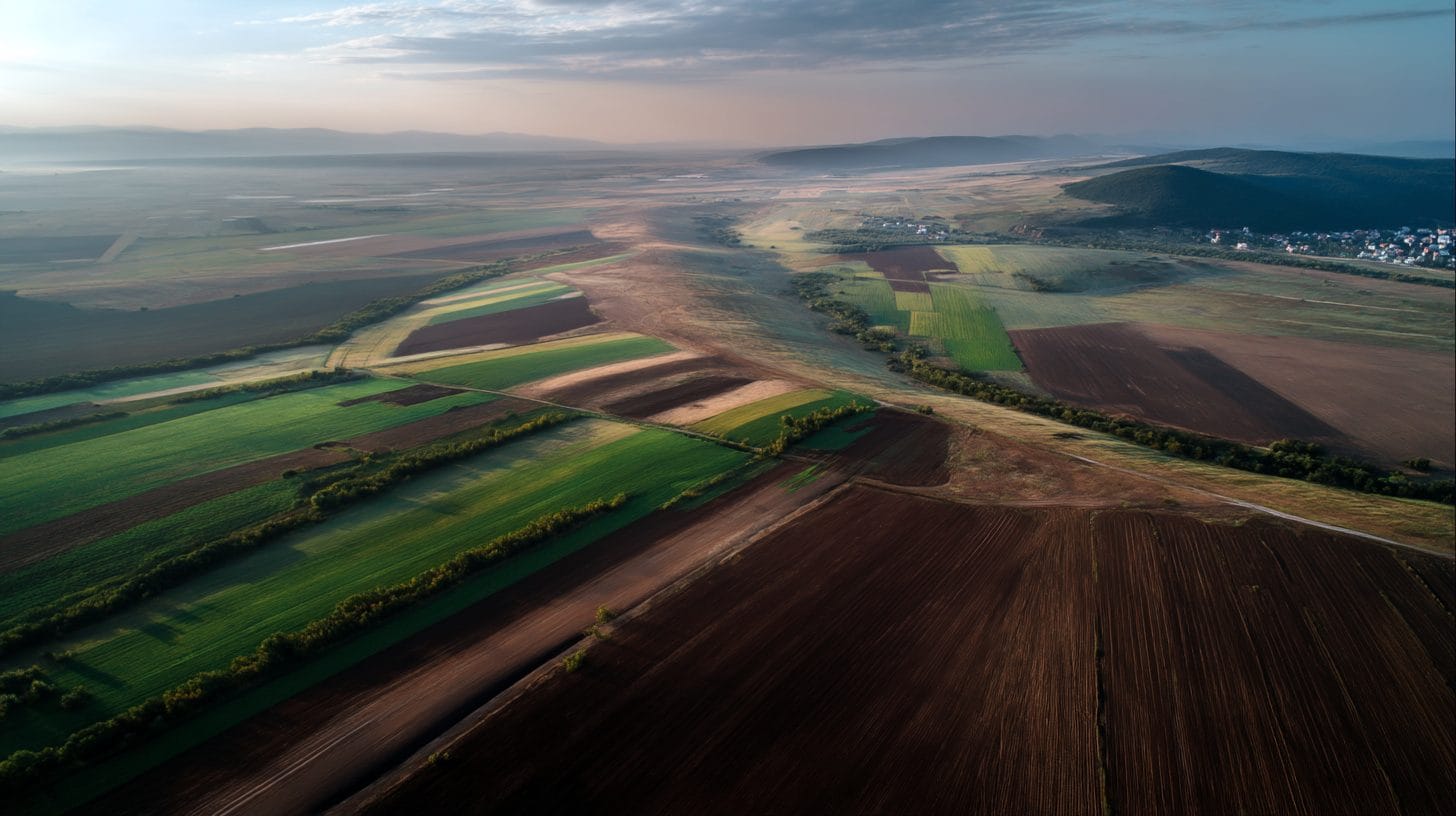
A Comprehensive Checklist for Purchasing Lands Near Bucharest
Purchasing land near Bucharest can be a significant investment opportunity, but it comes with its challenges and complexities. Whether you are looking to buy land for residential purposes, commercial purposes, or as an investment, understanding the intricacies involved in the land acquisition process is crucial. To simplify your journey and ensure you make a well-informed decision, we present to you a comprehensive checklist for purchasing lands near Bucharest.
1. Define Your Purpose
Before making any decisions, it is critical to define your purpose for buying land. Are you looking to build a family home, establish a commercial enterprise, or invest in property for future resale? This clarification will guide your search and help you narrow down the appropriate locations and types of land.
2. Determine Your Budget
Setting a clear budget is vital. Consider not only the purchase price but also any additional expenses that may arise throughout the buying process. These can include taxes, legal fees, registration fees, and costs for grading or developing the land. Factor in your financial capacity and explore funding options if necessary.
3. Research Locations
Bucharest is surrounded by various attractive areas that can present different investment opportunities. Research neighborhoods and suburbs that suit your needs: from the leafy outskirts to areas with urban development potential. Key locations to consider include Pipera, Otopeni, Buftea, and Voluntari, among others. Examine factors such as accessibility, proximity to amenities, schools, and public transport.
4. Check Zoning Regulations
Understanding zoning regulations and land use is critical to ensuring your intended purpose for the land is permitted. Local authorities regulate land use to manage urban growth, establish property lines, and prevent conflicts. Contact the local city hall or zoning office to obtain necessary information about zoning classifications, restrictions, and permissible uses for the land you’re considering.
5. Verify Title and Ownership
Before making a purchase, ensure that the land has a clear title and verify ownership. A thorough due diligence process is essential here. Request a copy of the land’s title deed and investigate the property’s background, ensuring there are no existing liens, disputes, or encumbrances attached to it. Tapping into the Land Book (Carte Funciară) can provide valuable information regarding ownership and legal history.
6. Assess Land Characteristics
Analyzing the land’s physical characteristics is paramount. Investigate aspects such as soil quality, topography, drainage, and any environmental concerns that may affect your property’s use. Conduct land surveys to identify boundaries accurately, and consider hiring a professional land surveyor if necessary.
7. Understand Utilities and Infrastructure
When purchasing land, it is essential to evaluate the availability of utilities, such as water, electricity, and sewage systems. Insufficient access to essential services can hinder development opportunities and increase costs significantly. Investigate the distance from existing infrastructure and assess any necessary investments needed to bring these services to your property.
8. Engage Local Real Estate Experts
Enlisting the help of local real estate agents or lawyers who specialize in land transactions can provide invaluable assistance throughout the purchasing process. They have specialized knowledge of the market, can help you navigate negotiations, and ensure all legal documents are correctly drafted. Their expertise can ultimately save you time and money.
9. Conduct Environmental Assessments
In some cases, land may have environmental issues that could affect its usability and market value. Depending on the location and past usage, it may be wise to conduct an environmental site assessment to identify any contamination or other ecological risks. Understanding these factors before purchasing can protect your investment and mitigate future liabilities.
10. Investigate Local Development Plans
Local government bodies often have long-term development plans that influence zoning, infrastructure, and community enhancements. Reviewing documents related to local urban development can give you insights into upcoming projects and growth plans. This knowledge may develop an understanding of potential appreciation in land value, helping you make more informed decisions.
11. Negotiate Effectively
Once you find an appropriate parcel of land, it’s time to negotiate the terms of the purchase. Ensure that you consider market conditions, the seller’s motivations, and comparable sales in the area. Having a clear understanding and strategy will empower you during negotiations and may lead to a more favorable purchase price.
12. Complete Legal Formalities
Once negotiations conclude successfully, it is necessary to formalize the purchase through the proper channels. This includes drafting a sales contract, ensuring that all parties understand their obligations, and appointing a notary public to execute the transaction. Your legal expert will ensure that all regulatory compliance is met and will assist in transferring the property title.
13. Register the Property
Finally, once the purchase is completed, you must register the property with the land registry. This step ensures that your ownership is officially recognized and is critical to protect your investment. Proper registration secures your rights as the property owner and prevents future disputes.
14. Review Your Investment Regularly
After acquiring land, continue to monitor the local real estate market and review your investment strategy regularly. Market conditions, zoning updates, and local developments can influence the value of your land. Keeping abreast of these changes will enable you to make informed decisions regarding future developments or potential resale opportunities.
By following this comprehensive checklist to buy lands near Bucharest, you’ll be better prepared to navigate the intricate process of land acquisition. With a clear plan and thorough research, you can identify the ideal property that meets your requirements while maximizing your investment potential. Remember, patience and diligence are key in making the right purchase, ensuring that your investment yields the benefits you desire in the long run.
Interested in Land Investment in Romania?
We specialize in high-yield land and property opportunities for serious investors.
VIEW OUR CURRENT PORTFOLIOSecure your investment with Land For Investors.

Published: April 16, 2025