

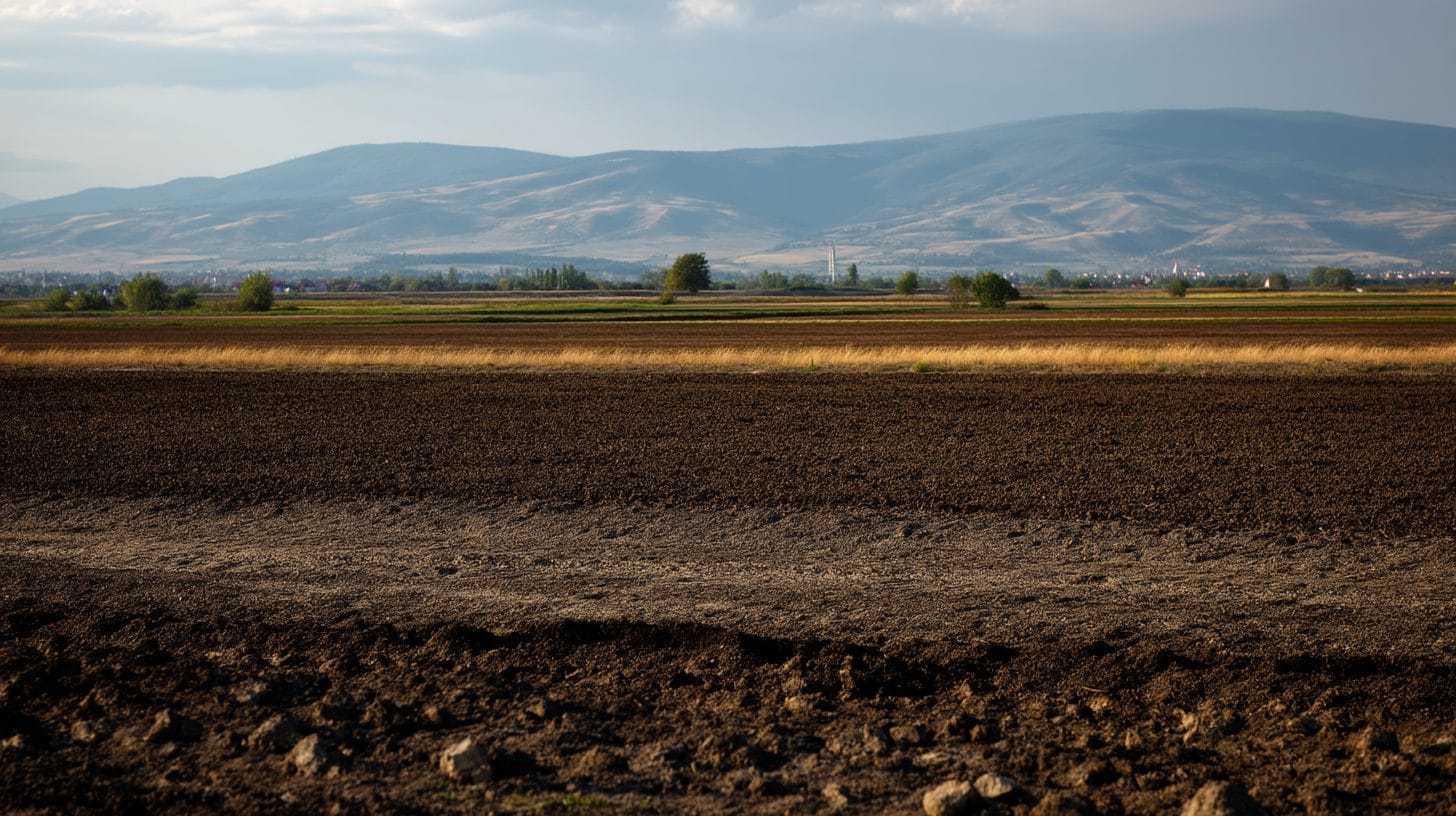
Sibiu, one of Romania’s fastest-growing regional hubs, has become an increasingly attractive destination for real estate investment. For sale land in Sibiu is garnering substantial interest not only from local developers but also from foreign investors seeking strategic opportunities in Central and Eastern Europe. Positioned at the crossroads of tradition and innovation, the city offers a valuable balance between cultural heritage and modern infrastructure, making it a fertile ground for land acquisition with medium-to-long-term investment potential.
Understanding Sibiu’s strategic positioning
Sibiu is advantageously located in the central part of Romania, within Transylvania, a region noted for its historical significance, strong economic indicators, and expanding transport networks. As part of the European Union, Romania continues to benefit from infrastructure funding, much of which has favored cities like Sibiu with projects related to the modernization of highways, railways, and industrial zones. The Sibiu–Pitești motorway—a key project linking the city to western European corridors—is a decisive factor in the increasing value of land.
From a logistical standpoint, Sibiu International Airport offers connectivity to several major European destinations, attracting both tourism and international business. Additionally, regional trade routes and logistics parks are improving accessibility, placing Sibiu at the forefront of Romania’s regional development strategy. These factors directly influence land valuations, especially in urban fringes and commercial zones.
Profiling prime land zones in Sibiu
The most sought-after parcels of land for sale in Sibiu are situated in or around key development zones. Central Sibiu contains a limited supply of vacant plots, mainly used for upscale residential developments or boutique commercial projects. The central historic core, while protected by heritage regulations, still offers niche opportunities for investors with a focus on tourism or hospitality projects.
More significant opportunities lie in the outer urban ring and peri-urban areas such as Selimbar, Cisnadie, and Șura Mare. These zones are experiencing urban sprawl as the city expands outward. Developers are capitalizing on the trend by acquiring land for residential subdivisions, logistics centers, and mixed-use projects. In particular, land close to transport arteries and the planned motorway entrances are considered highly strategic. These areas present increasing value given population growth, infrastructure improvements, and rising demand for suburban housing.
Market trends and investor sentiment
The land market in Sibiu is supported by stable economic fundamentals and a growing middle class. Over the past five years, land prices have shown a consistent upward trajectory, with annual appreciation rates ranging between 6% and 10%, depending on the location and zoning potential. This steady growth appeals to institutional and private investors seeking a low-to-medium risk profile with solid capital appreciation.
Additionally, Romania’s relatively low land acquisition costs compared to western Europe continue to make Sibiu an undervalued investment destination. As other Romanian cities such as Cluj-Napoca and Bucharest experience price saturation, Sibiu is increasingly viewed as a secondary asset market with high upside potential. The presence of multinational corporations, especially in the automotive and IT sectors, adds confidence to long-term demand for both residential and commercial spaces built on newly developed land.
Zoning and regulatory considerations
Investors evaluating for sale land in Sibiu must consider local zoning regulations and utility provisions. Land designated as intravilan (buildable urban land) offers more immediate development opportunities compared to extravilan (agricultural or undeveloped land), which requires rezoning—a process that can be time-consuming and bureaucratic, especially for non-resident investors unfamiliar with Romanian administrative procedures.
It is also essential to consider the availability of utilities such as electricity, water, gas, and sewage connections. Lands located within expanding residential suburbs typically come with pre-approved utility access or are within feasible proximity, reducing the cost and time needed to initiate construction.
Due diligence and legal structure
Foreign investors are allowed to purchase land in Romania through several legal frameworks. While EU citizens can freely acquire land under Romanian law, non-EU investors usually establish a local Romanian company (typically a SRL) to complete such transactions. Legal due diligence, land registry verification, and title clarity are essential components of the acquisition process.
Romanian land law continues to evolve in alignment with EU standards, but professional legal guidance remains essential, particularly when dealing with large plots, joint ownership, or complex zoning changes. Evaluation of land encumbrances, right-of-way access, or co-ownership issues must be diligently conducted before any transaction.
Emerging asset classes and diversification angles
One of the compelling aspects of investing in Sibiu’s land market is the variety of asset classes it supports. Residential subdivisions feature prominently, with the city’s population gradually increasing and demand outpacing supply in desirable neighborhoods. Equally important is the rising demand for light industrial and logistics spaces, particularly in areas near existing and planned transport infrastructure.
Tourism-oriented investors are also evaluating tracts of land near Sibiu’s cultural landmarks and the Transfagarasan highway, which offers seasonal opportunities for eco-resorts, glamping sites, or rural guesthouses. Agricultural investment remains another angle, as Romania’s fertile lands and EU agricultural subsidies attract long-term farming projects or agritourism developments.
Risk factors to consider
Although the Sibiu land market presents many attractive opportunities, investors should be aware of several risks. Zoning and permitting delays can derail short-term development plans. Macroeconomic shifts, political uncertainty, or changes in foreign investment regulations could also influence market dynamics. Additionally, speculative bubbles can form around infrastructure announcements; basing investment decisions purely on planned public developments, without risk analysis, may lead to overpayment for underperforming assets.
That said, Romania’s economic trajectory remains positive, with consistent GDP growth, improved sovereign ratings, and a favorable corporate tax environment. These elements, combined with a multi-year real estate cycle that has yet to peak in secondary cities like Sibiu, make the current timing favorable for strategic acquisition.
Conclusion
For investors considering for sale land in Sibiu, the combination of geographic advantage, robust economic indicators, and diverse development potential creates a compelling case for engagement. Whether the focus is on residential expansion, commercial logistics, or long-term portfolio diversification, Sibiu offers a mixture of maturity and upward mobility. Thorough due diligence, alignment with infrastructure dynamics, and an understanding of local legal frameworks will be essential for unlocking the full investment value of land in this dynamic Romanian city. As Romania continues to integrate more fully into the European economy, strategic land investments in Sibiu stand well-positioned to deliver both resilience and attractive returns.
Interested in Land Investment in Romania?
We specialize in high-yield land and property opportunities for serious investors.
VIEW OUR CURRENT PORTFOLIOSecure your investment with Land For Investors.

Published: January 20, 2026