

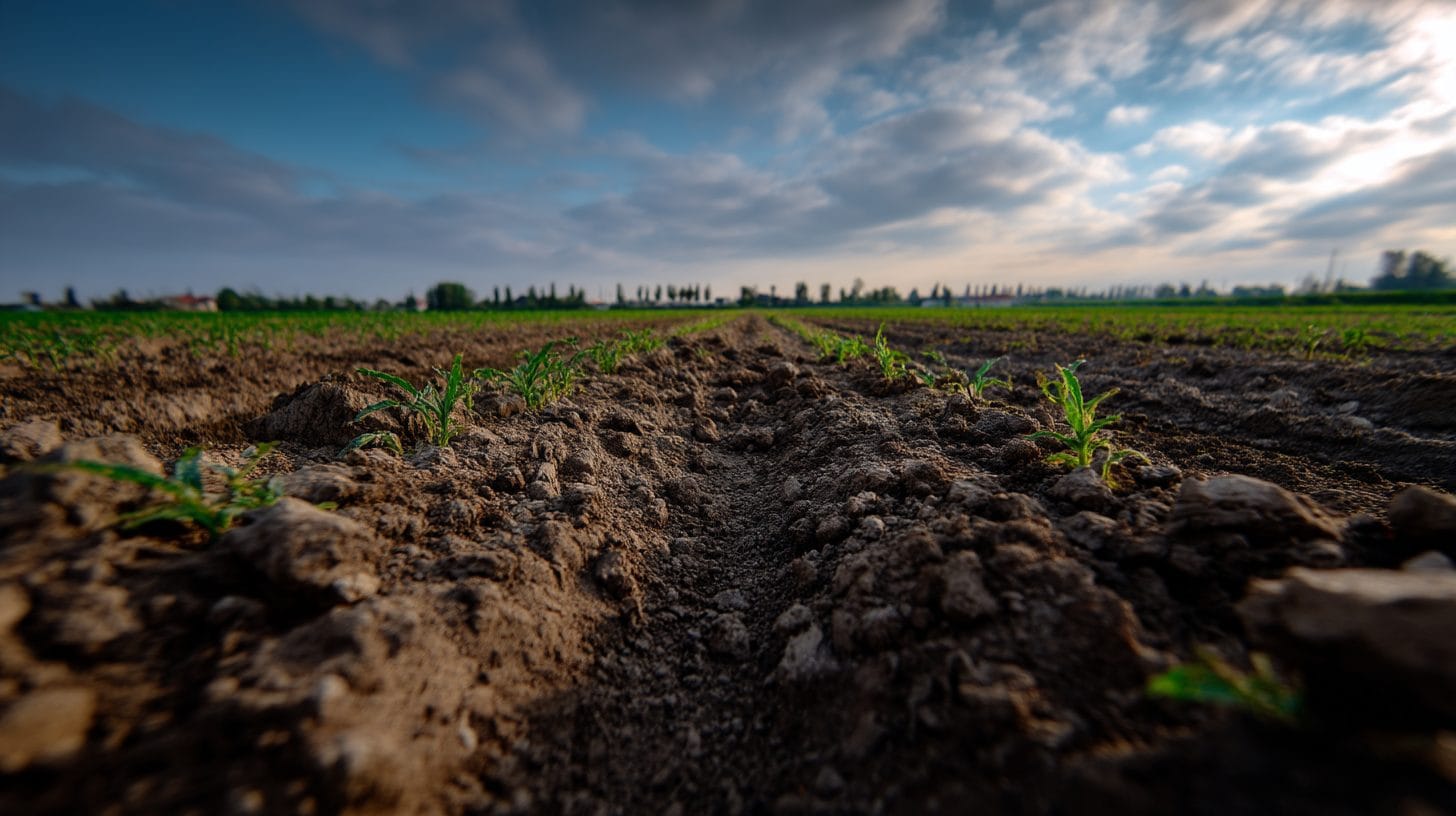
Foreign investors and land buyers looking into Romania’s growing property market are increasingly drawn to farmland in the metropolitan area of Cluj for sale. With Cluj-Napoca’s rapid urban and economic development, the surrounding agricultural zones present not only traditional farming opportunities but also long-term land banking and development potential. Before making a purchase, however, investors must evaluate the local regulations, infrastructure, zoning classifications, and strategic value of farmland in this region.
Why Cluj’s Metropolitan Area Is Attracting Farmland Investment
Cluj-Napoca, often regarded as the unofficial capital of Transylvania, has seen substantial demographic and economic growth over the past decade. Its metropolitan region, which includes neighboring communes such as Florești, Baciu, Apahida, and Gilău, is expanding quickly. The demand for land in these surrounding areas is climbing, due largely to urban sprawl, infrastructure projects, and an increasing interest in sustainable agricultural investments.
Farmland in this region benefits from fertile soil and a moderate continental climate, making it suitable for a variety of crops and livestock operations. However, beyond traditional agriculture, the real opportunity lies in the eventual shift from rural to suburban developments. For investors looking for farmland metropolitan area Cluj for sale, understanding the dynamics of urban expansion is key to assessing long-term ROI.
Zoning Laws and Land Classification in Cluj’s Periphery
One of the most critical aspects of purchasing farmland in Cluj’s metropolitan area is understanding its current zoning classification. Romanian land is generally categorized as intravilan (within the buildable area of a locality) or extravilan (outside the buildable zone). Most farmland falls under extravilan, which means it is not immediately buildable.
Investors who intend to develop on purchased plots must factor in the time and cost required to reclassify land from agricultural to buildable status. While this reclassification is possible, particularly in areas where local development plans foresee expansion, it requires due diligence and often local relationships with planning authorities.
Additionally, Romania’s General Urban Plan (PUG) and Detailed Urban Plan (PUD) determine the future usage of land. Investors must examine these documents closely to gauge whether a farm plot could be affected by upcoming infrastructure projects or rezoning efforts. Land close to new highways, industrial parks, or residential developments typically sees appreciable value increases, but it also attracts more scrutiny in terms of compliance with environmental and development laws.
Legal Considerations for Foreign Investors
Romania allows foreign citizens and companies from the EU to own land under the same conditions as Romanian nationals. Non-EU investors must establish a legal Romanian entity (such as an SRL—limited liability company) to purchase agricultural land. Since 2014, after a transitional EU period, the Romanian land market is fully open, but the government has introduced legislative mechanisms to prevent excessive foreign speculation.
Recent amendments to Law 17/2014 impose pre-emption rights for co-owners, leaseholders, neighbors, and the Romanian state when farmland is sold. These provisions can delay transactions and require legal counsel familiar with Romanian agricultural law, especially to ensure compliance with notification and documentation requirements for land sales.
Investors are advised to work with local legal experts to conduct thorough due diligence, including checking for land books registration, confirming land boundaries, and verifying the absence of litigation or unpaid utilities on the land.
Price Trends and Market Dynamics
Prices for farmland within the metropolitan area of Cluj vary significantly depending on location, proximity to infrastructure, and future development potential. Agricultural land in core metropolitan communes like Florești or Apahida can reach EUR 8,000 to EUR 15,000 per hectare, while more remote areas may range between EUR 3,000 and EUR 6,000 per hectare.
Cluj’s regional appeal adds an upward pressure to prices, as both institutional and private buyers scout for high-potential land holdings. Infrastructure developments such as the upcoming Transylvania Highway (Autostrada Transilvania) and regional rail projects have already influenced price speculation in these corridors. Astute investors pay attention not only to proximity but also to the likelihood of zoning updates in these fast-changing peri-urban zones.
When considering farmland metropolitan area Cluj for sale, the timeline of return plays a central role. Some investors opt for immediate agricultural income—leasing the land to local farmers—while awaiting reclassification. Others treat it purely as a land banking strategy, anticipating substantial capital gains when zoning allows conversion to residential or commercial use.
Environmental and Infrastructure Factors
Romania’s agricultural policies, both national and EU-funded, support sustainable farming and rural modernization. Land plots qualifying for farm subsidies can provide additional annual income. However, investors should verify if the land in question is eligible for EU agricultural subsidies, and whether it’s enrolled in any agro-environmental schemes.
Infrastructure accessibility is another key consideration. Farmland near paved roads, electric grids, and water networks not only eases future development but also increases lease value for farming use. Landlocked plots or those with limited access may appear cheaper but often entail higher logistical costs or legal hurdles for development permissions.
Understanding Local Demand for Land Uses
Another strategic consideration when investing in Cluj-area farmland is gauging local demand and municipal development priorities. Some communes are fostering eco-tourism or small industrial parks, while others emphasize community farming or green housing zones. Aligning a land purchase with the local development narrative can ease zoning transitions and open the door to public-private investment initiatives.
Investors are urged to conduct site visits, engage with local mayors or planning councils, and consult regional development plans. This on-the-ground research often reveals high-potential plots not yet reflected in public listings.
The Role of Agricultural Income vs. Long-Term Development
While many investors focus exclusively on long-term development gains, farmland in the Cluj metropolitan area can also yield solid interim returns through leasing or direct farming. Romania has one of the EU’s largest shares of agricultural land, yet much of it remains underutilized. Leased land generates income generally between EUR 100 and EUR 200 per hectare annually, depending on usage and location.
Moreover, purchasing farmland with established tenants can simplify ownership transition and ensure the land remains productive and compliant with subsidy regulations while investors wait for rezoning opportunities.
Conclusion
Investing in farmland in the metropolitan area of Cluj offers a unique dual opportunity: consistent agricultural yields in the short term, and strategic value appreciation driven by regional development and urban expansion. By understanding Romanian land laws, zoning realities, infrastructure plans, and market dynamics, foreign investors can make well-informed decisions that align with both their risk profiles and investment timelines. With careful due diligence and local insight, farmland in this key Transylvanian region can serve as a valuable component in a diversified property investment portfolio.
Interested in Land Investment in Romania?
We specialize in high-yield land and property opportunities for serious investors.
VIEW OUR CURRENT PORTFOLIOSecure your investment with Land For Investors.

Published: January 20, 2026