

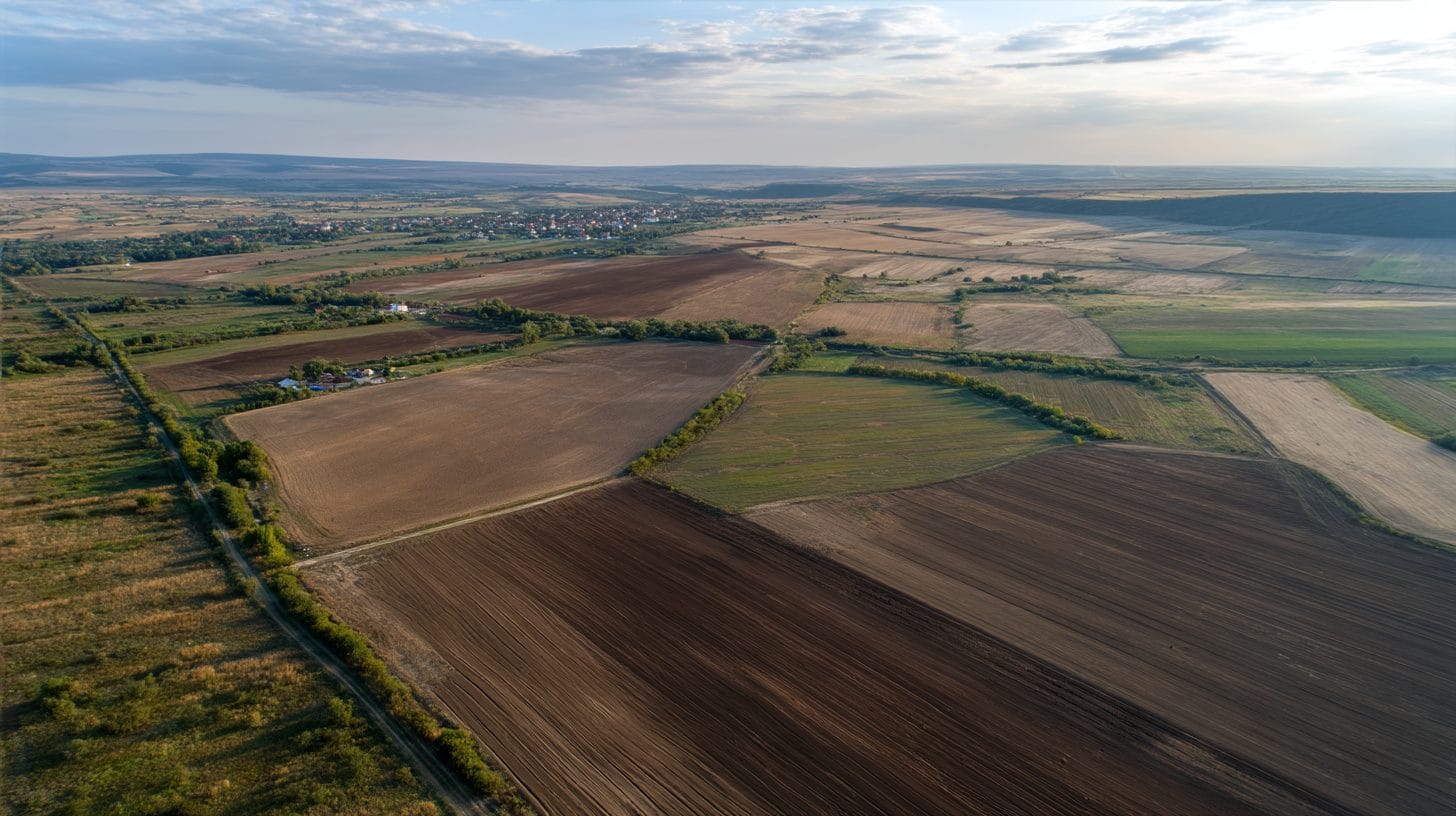
Romania’s Ilfov County has emerged as a compelling option for investors seeking opportunities in the real estate sector, particularly in areas benefiting from airport proximity. The strategic advancement of Henri Coandă International Airport (commonly known as Otopeni Airport), coupled with the rapid infrastructure and economic development around it, has transformed surrounding areas into high-potential zones for land and property acquisition. Understanding the dynamics of the real estate airport proximity Ilfov market is essential for foreign and English-speaking investors looking for returns in Central and Eastern Europe’s growing property sector.
Why Airport Proximity Matters in Ilfov
Proximity to an international airport significantly increases the investment value of real estate assets, especially for commercial, mixed-use, and residential developments. Henri Coandă International Airport, serving over 14 million passengers annually before the pandemic rebound, is not only the busiest airport in Romania but also a strategic hub for business and logistics in Southeastern Europe.
New infrastructure projects, including road and railway expansions, the proposed Metro Line M6 connection from Bucharest to Otopeni, and upgraded terminals, continue to boost real estate interest in nearby areas such as Otopeni, Tunari, Balotești, and Corbeanca. For real estate investors, this means rising land value, increased liquidity, and a growing pool of renters and buyers, ranging from expatriates to corporate travelers and airport staff.
Property Prices and Land Costs in Ilfov Near the Airport
Land and property costs in airport-adjacent regions of Ilfov vary based on access, zoning, and development potential. In Otopeni, for example, land designated for residential use trades for €100–€200 per square meter, while commercial land—particularly with frontage on key roads like DN1—can fetch €300–€600 per square meter, or even higher for plots with existing approvals or utilities.
Residential properties, including villas and apartments aimed at professionals working in or commuting to Bucharest, have also seen steady appreciation. A modern villa in Corbeanca or Tunari might sell for €150,000 to €350,000 depending on build quality and land area, while apartments in developing residential compounds start from €1,200 per square meter.
Construction demand has been driven not only by individual buyers but also by institutional investors backing gated communities, logistics parks, and hospitality developments. With limited available land closer to central Bucharest, interest has naturally shifted to Ilfov, where airport accessibility adds long-term appeal.
Trends Driving Demand Around Henri Coandă International Airport
Several market trends contribute to amplifying demand for real estate in the vicinity of Otopeni Airport. First, Romania’s EU membership offers regulatory consistency and makes cross-border investment procedures smoother. Second, the country remains cost-competitive compared to Western Europe, allowing investors from markets like Germany, the UK, and Israel to acquire larger plots for development at a fraction of the cost they would incur back home.
Moreover, the Romanian diaspora returning from abroad, coupled with foreign professionals relocated to Bucharest, has created sustained demand for modern housing and rental properties in connected, green suburban zones—many of which lie within Ilfov’s airport corridor.
On the commercial side, e-commerce growth and logistics optimization have turned Ilfov into a distribution hotspot. Warehouses, fulfillment centers, and light industrial units are in rising demand due to easy airport access and the highway links around the Bucharest Ring Motorway (A0). This fuels continued interest from funds and developers looking to tap into resilient asset classes like logistics real estate.
Investor Profile and Preferred Properties
Foreign investors exploring real estate airport proximity Ilfov span a diverse range: private individuals seeking land banking opportunities; real estate development firms interested in mid-size residential or logistics projects; and institutional investors building exposure to Central European real assets.
For those looking to enter the market with relatively lower capital, land acquisition remains a popular entry point. Plots in underdeveloped areas such as Moara Vlăsiei or Periș offer speculative upside as infrastructure moves northward. Meanwhile, more established investors are targeting income-generating properties like rental apartment buildings or hotel developments catering to airport traffic.
Regulatory Considerations and Due Diligence for Land Buyers
Foreign investors benefit from Romania’s liberalized policies on land ownership, though agricultural land close to city borders may have certain preemption or documentation requirements. Due diligence should include volume ratio (POT/CUT), urban zoning certificates (PUZ, PUG), utility access, and proximity to road networks.
It is advisable to consult with local architects or legal advisors familiar with regional land development plans, especially since some zones around Otopeni and adjacent communes are under long-term zoning transformation. Given the pace of public infrastructure investments, areas classified as agricultural or extravilan today may quickly become urbanized.
Projected Returns and Risks
Return potential in the Ilfov airport corridor is heavily influenced by timing, land location, and project type. Raw land appreciation over the past five years in areas like Tunari and Balotești has exceeded 40% in some cases, with faster gains seen on plots with visibility or infrastructure access. For built properties, gross rental yields range from 6% to 9%, with furnished apartments near Otopeni frequently leased to professionals and expats.
Still, investors should weigh risks such as regulatory delays, zoning limitations, and market liquidity during downturns. The residential market can be affected by shifts in bank lending or economic policy, while logistics properties are sensitive to shifts in trade patterns.
Long-Term Outlook for Ilfov Real Estate Near the Airport
The long-term outlook for property in Ilfov with airport proximity remains positive. Demographic shifts toward suburban living, combined with Romania’s growing role in European logistics and aviation traffic, support continued capital inflow into the region. The expansion of the A0 motorway and new transport links are likely to further reduce travel times between central Bucharest and the surrounding villages, unlocking new zones for development.
Moreover, the focus on sustainable and energy-efficient real estate, encouraged by EU environmental policies and grants, presents new angles for investors willing to differentiate their projects through green building certifications or renewable energy integration.
Investing in real estate near Henri Coandă Airport is no longer just a niche strategy—it is a mainstream, structured approach to capital preservation and growth in a European Union market still offering high comparative yields. Investors who move early, complete thorough due diligence, and align with local development trends stand to benefit significantly from this evolving micro-market in Romania.
Interested in Land Investment in Romania?
We specialize in high-yield land and property opportunities for serious investors.
VIEW OUR CURRENT PORTFOLIOSecure your investment with Land For Investors.

Published: January 20, 2026