

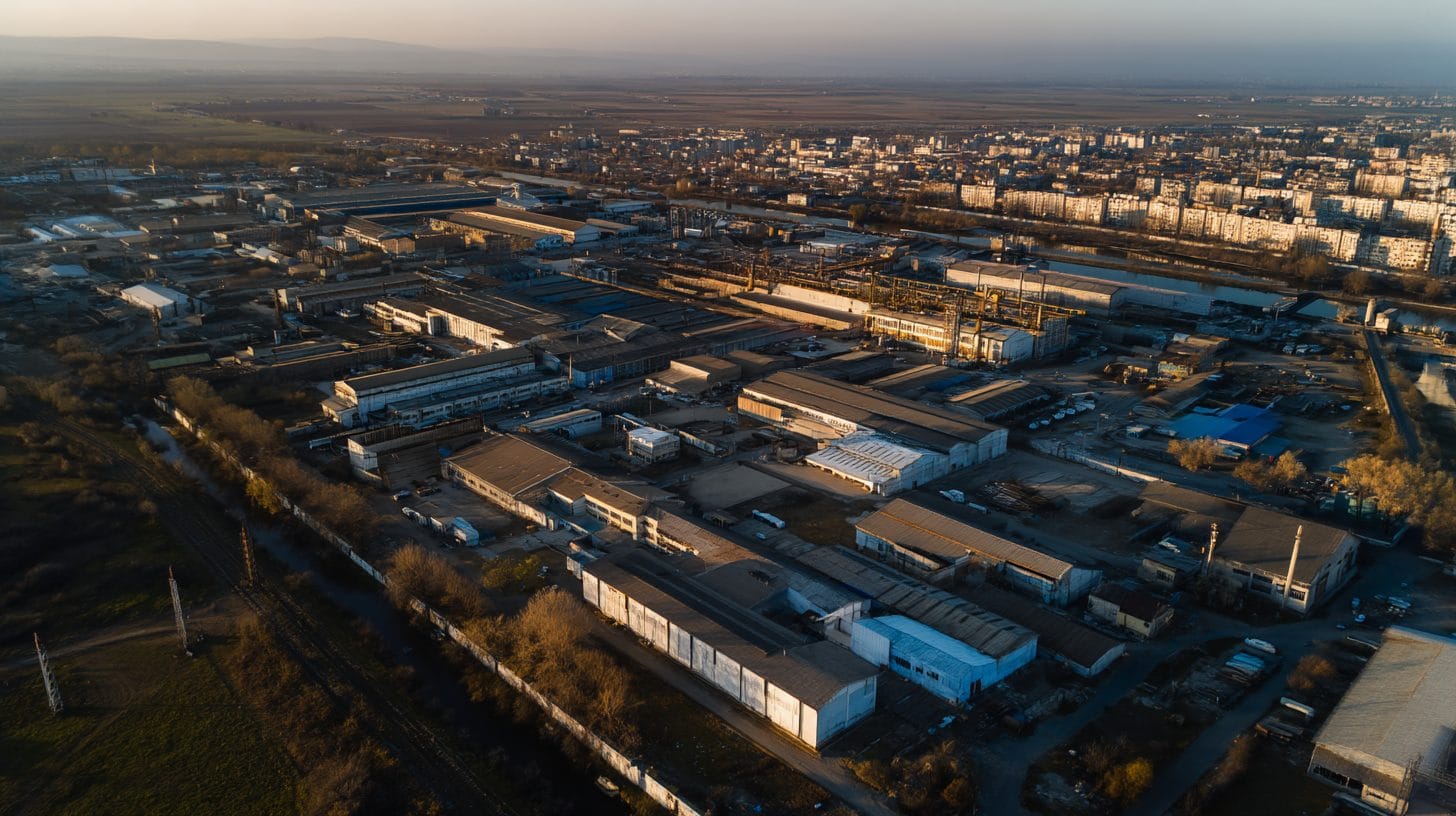
Cluj-Napoca, the unofficial capital of Transylvania, has emerged over the past decade as one of the most dynamic economic hubs in Eastern Europe. As foreign investment pours into Romania’s IT clusters, logistics corridors, and service sectors, interest in exclusive commercial land in Cluj has reached new heights. Investors eyeing opportunities in this Romanian growth center would do well to understand the economic context, zoning implications, development potential, and regulatory landscape before making a purchase decision.
Why Cluj Matters for Commercial Land Investors
Cluj has consistently ranked among Romania’s most prosperous cities, boasting a GDP per capita significantly higher than the national average. Its rapid expansion is driven by a confluence of factors: a world-class university system supplying a highly skilled workforce, the presence of major multinationals in IT and finance, and its strategic location in northwestern Romania close to European Union borders.
Commercial real estate has kept pace with this economic ascent. The city’s infrastructure is undergoing significant upgrades, including airport expansion and upgraded road links with Western Europe. As a result, exclusive commercial land in Cluj, particularly within or near industrial parks, logistics zones, and retail corridors, is now among the most sought-after real estate assets in Romania.
Key Areas of Interest for Commercial Land Acquisition
Understanding where to focus your investment is just as important as understanding the asset itself. In Cluj, high-demand zones vary depending on usage.
Central Cluj, including neighborhoods like Gheorgheni, Mărăști, and Zorilor, offers mixed-use possibilities combining office space, retail units, and hospitality projects. While prices here are at a premium, the footfall and visibility justify the investment for developers targeting high-end customers.
On the city’s outskirts, areas such as Florești, Apahida, and Gilău have attracted attention for logistics and industrial developments. These zones benefit from proximity to the A3 motorway and Cluj-Napoca International Airport. The availability of larger plots and more flexible zoning policies makes them attractive for larger developments, especially in e-commerce fulfillment and light manufacturing.
Land adjacent to university campuses or tech parks, such as Tetarom I and Tetarom III, is also in high demand. Investors with a long-term outlook may target these areas for tech campuses, co-working hubs, or student-oriented commercial spaces.
Due Diligence: Zoning, Permits, and Ownership Issues
Before committing capital, investors should conduct a thorough evaluation of zoning status—referred to locally as “PUZ” or urban zonal plans. Romanian city councils determine land use regulations, and not all land advertised as commercial is automatically fit for immediate development. Re-zoning can be a long process, complicated by community consultations and building height restrictions typical of heritage or residential zones.
Land title verification is equally crucial. Romania has made significant progress in digitizing its land registry, but discrepancies in ownership records and inheritance claims can still arise. Engaging a Romanian legal advisor familiar with Cluj real estate practices will help navigate these potential pitfalls, ensuring the property is free of encumbrances and can be legally transferred.
The Role of Infrastructure and Utilities
The success of any commercial development hinges on access to infrastructure. In Cluj, central plots generally come with utility connections—gas, electricity, water, and sewage—already in place. However, in peripheral and newly zoned commercial areas, these connections may be pending or reliant on adjacent developments.
Investors should request detailed utility status reports and connection feasibility studies as part of their due diligence. Delays in infrastructure provisioning not only affect construction timelines but may also increase capital expenditure significantly.
Evaluating Market Trends and Return Potential
Exclusive commercial land in Cluj has shown steady price appreciation, fueled by stable economic growth and increasing demand for modern commercial space. Over the past five years, Cluj has posted annual commercial land value increases of 7% to 12%, depending on location. Rental yields from completed commercial projects range between 6% and 8%, attracting both yield-focused and speculative investors alike.
Demand from international retailers, office tenants, and logistics operators has remained resilient—even during macroeconomic slowdowns—thanks in part to Cluj’s youthful consumer base and international business profile. As Romania continues to align more closely with Western European standards, investors can expect Cluj’s property market to mirror the performance of cities in Central Europe such as Brno or Krakow.
Legal Entities and Tax Considerations
Foreign investors often choose to acquire Romanian real estate through locally registered companies. Setting up a limited liability company (SRL) is straightforward and allows for easier VAT recovery and developer status. Romania’s corporate tax rate is a flat 16%, and favorable tax exemptions may apply for software development and R&D-related commercial activities, especially in Cluj’s tech zones.
Additionally, Romania has treaties to avoid double taxation with most Western countries, easing repatriation of profits. Still, a comprehensive tax advisory consultation is highly recommended prior to acquisition, as changes to tax codes and EU compliance rules can affect holding structures and profitability.
Environmental and Sustainability Considerations
Growing investor interest in green development has started reshaping commercial land assessments in Cluj. Investors seeking long-term value should consider plots suitable for sustainable construction certifications such as BREEAM or LEED. In particular, corporate tenants operating under ESG mandates increasingly require green-certified premises.
Moreover, Romanian building law imposes energy performance ratings on commercial buildings. Investing in land that can support renewable energy integration—such as solar-ready rooftops or efficient insulation technologies—offers a future-proofing advantage.
Final Thoughts for Strategic Investors
Acquiring exclusive commercial land in Cluj offers exposure to one of Eastern Europe’s most dynamic urban economies. The competitive advantages of Cluj—its innovation-driven industries, connectivity, and skilled workforce—create fertile ground for profitable long-term investment. However, Romanian real estate remains nuanced, and successful land investment requires more than favorable market timing.
From understanding zoning intricacies to navigating legal documentation and planning infrastructure access, careful preparation is essential. Investors who combine local knowledge with strategic intent are best positioned to unlock the full potential of Cluj’s commercial land opportunities.
Interested in Land Investment in Romania?
We specialize in high-yield land and property opportunities for serious investors.
VIEW OUR CURRENT PORTFOLIOSecure your investment with Land For Investors.

Published: January 20, 2026