

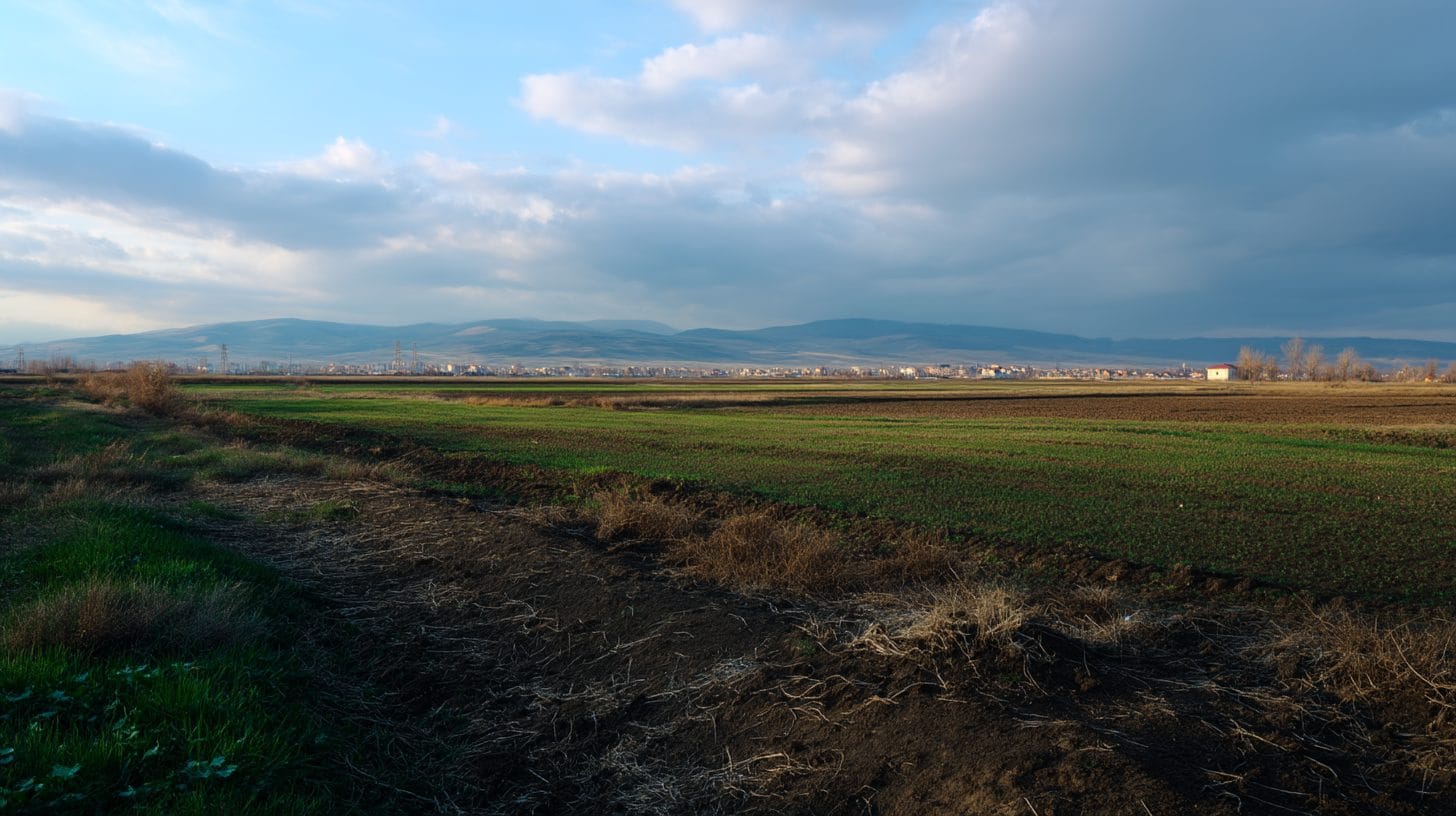
Bucharest, the vibrant capital of Romania, has increasingly become an attractive destination for property investment, appealing to both local and international investors. With its beautiful landscapes, rich history, and burgeoning economy, Bucharest is a prime spot for those looking to balance risk and reward in their property investments. Understanding how to effectively manage these risks while maximizing potential rewards is key to making sound investment decisions in this dynamic market. The following article delves into strategies for achieving that balance risk reward Bucharest investment.
The Bucharest Property Market: An Overview
Romania has seen significant economic growth in recent years, leading to a surge in interest in the Bucharest property market. As the largest city in Romania, Bucharest serves as the political, economic, and cultural center of the country. With its rapidly developing infrastructure, diverse culture, and a plethora of business opportunities, the capital is witnessing rising property values, making it a hotbed for investment.
Property types range from residential apartments to commercial spaces and luxury real estate, giving investors various options depending on their objectives. While Bucharest has shown resilience, it is not without its risks. The property market can be influenced by multiple factors, including economic fluctuations, regulatory changes, and shifting demographic trends. Therefore, investors need to be prepared to navigate these challenges to optimize their returns.
Balancing Risks: Understanding the Landscape
To effectively balance risk and reward in Bucharest property investment, it is essential to first understand the various risks associated with real estate investments. These risks can be broadly categorized into financial, market, operational, and regulatory risks.
Financial risks may include fluctuations in interest rates, changes in property values, and fluctuations in the rental market. For instance, if an investor takes out a mortgage, any increase in interest rates could lead to higher monthly payments, placing strain on their financial resources. Moreover, economic downturns may affect property values and rental prices, leading to potential losses.
Market risks involve external factors such as supply and demand dynamics, economic conditions, and emerging neighborhoods. In Bucharest, for instance, areas experiencing rapid development may show short-term growth; however, overbuilding can lead to excess supply, driving prices down and complicating resale.
Operational risks include managing the property itself—issues such as maintenance costs, tenant turnover rates, and vacancies can affect cash flow. Additionally, landlords must be prepared for possible legal disputes, tenant-related problems, or financial liabilities.
Regulatory risks encompass changes in laws and regulations that might impact property ownership, management, and tenant rights. Bucharest has made strides to improve its legal framework; however, investors should remain vigilant and informed about potential changes that could impact their investments.
Strategies for Reward: Making Informed Decisions
Having identified the risks associated with Bucharest property investment, it is crucial for investors to deploy strategies that potentially enhance their rewards while managing these risks effectively. To achieve a balance risk reward Bucharest investment, consider the following approaches.
1. Conduct Thorough Market Research
Before diving into any property investment, thorough market research is essential. Investors should analyze local market trends, property types, neighborhoods, and historical price data to make informed decisions. Understanding the specific areas of Bucharest that are experiencing growth can help identify lucrative investment opportunities. Resources such as real estate listings, industry reports, and networking with local professionals can provide valuable insights into the market dynamics.
2. Diversify Property Portfolio
A well-diversified property portfolio can help mitigate risks associated with market fluctuations. By investing in a mix of residential and commercial properties or selecting properties in different neighborhoods, investors can minimize the impact of a downturn in a specific sector or area. Additionally, diversification can lead to a more reliable income stream, providing stability to overall investments.
3. Evaluate Property Location
Location is significant in determining property value and potential rental income. Investigating the future development plans and infrastructure improvements in various neighborhoods can help investors identify areas likely to appreciate in value over time. Proximity to amenities such as public transportation, schools, shopping centers, and recreational facilities can also impact the desirability of a property and its rental potential.
4. Adopt a Long-term Perspective
Real estate is generally considered a long-term investment. While short-term gains can be attractive, maintaining a long-term perspective can help investors ride out economic downturns and leverage appreciation over time. Moreover, long-term investment strategies often yield higher returns as property values can significantly increase over the years.
5. Consult with Local Experts
Engaging local real estate professionals, financial advisors, and property management companies can provide invaluable expertise and support. These experts understand the local market intricacies and can offer insights on investment strategies, property management, and regulatory compliance, thereby allowing investors to make more informed decisions and navigate complexities more seamlessly.
6. Analyze Risks and Returns Before Making Investments
Every investor should measure potential returns against the associated risks before making a property investment. This could involve calculating return on investment (ROI), cash-on-cash return, and understanding the gross rental yield. Conducting due diligence on any property can help foresee possible challenges and highlight potential profit avenues. Avoid over-leveraging or investing based solely on projected returns without adequately assessing potential risks.
7. Keep Abreast of Legislation Changes
Investors in the Bucharest property market must stay informed about local laws, zoning regulations, and property tax rates. Legal changes can have a significant impact on investment viability. Regularly consulting with legal experts can help investors remain compliant while adapting their strategies as needed.
Conclusion
Investing in property in Bucharest offers a plethora of opportunities for those willing to navigate the complexities of the market. By understanding the various risks involved and implementing effective strategies to balance risk and reward, investors can position themselves for success in the burgeoning Bucharest real estate landscape. Conducting thorough market research, diversifying portfolios, and enlisting local expertise are vital components of a sustainable investment approach. Ultimately, informed decision-making is essential to harness the potential of Bucharest’s dynamic property market while balancing the associated risks.
Interested in Land Investment in Romania?
We specialize in high-yield land and property opportunities for serious investors.
VIEW OUR CURRENT PORTFOLIOSecure your investment with Land For Investors.

Published: February 19, 2025