

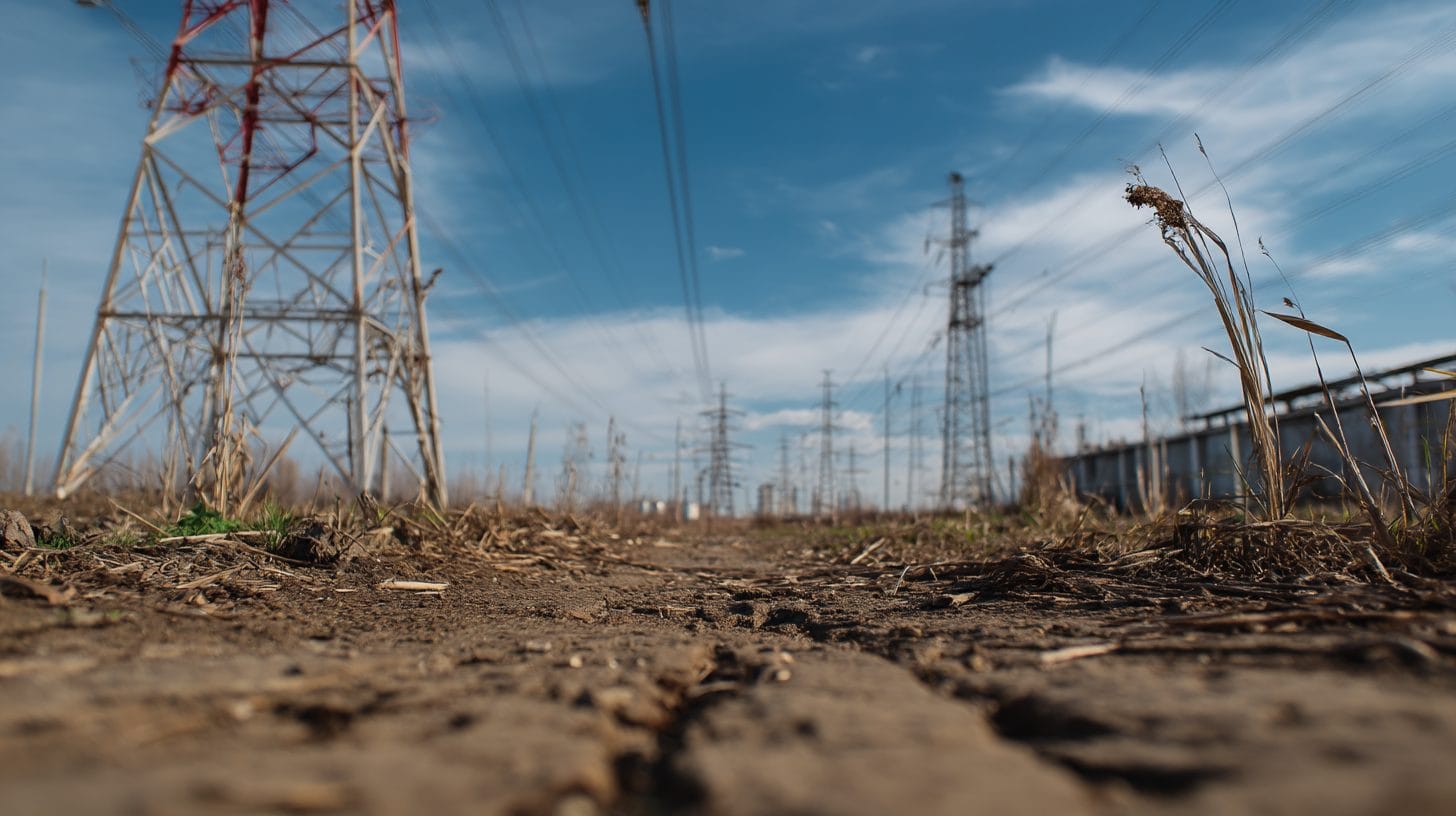
Assessing the Impact of Infrastructure Projects on Land Near Bucharest
Infrastructure projects in Bucharest, Romania’s bustling capital, play a pivotal role in shaping the socio-economic landscape of the region. As the city continues to expand and modernize, infrastructure initiatives not only influence the immediate urban environment but also have far-reaching implications for surrounding areas. This article delves into the various factors linked to infrastructure projects in Bucharest, shedding light on their impact on land development, real estate values, environmental conditions, and community dynamics.
The Importance of Infrastructure Projects in Bucharest
Infrastructure projects in Bucharest serve as a backbone for the region’s economic development. Highways, public transport systems, energy grids, and telecommunications facilities are crucial for enhancing connectivity, promoting trade, and fostering economic growth. With Romania striving to position itself as a competitive player within the European market, investment in infrastructure has become increasingly vital. Projects such as road expansions, metro lines, and even utility upgrades form the foundation of a growing economy that can attract both domestic and foreign investors.
Land Development and Real Estate Values
One of the most noticeable impacts of infrastructure projects in Bucharest is their effect on land development and real estate values. Improved infrastructure leads to better accessibility, which directly influences the desirability of certain areas. Properties located near newly constructed roads, transit hubs, or utility upgrades often experience a surge in value. For instance, areas adjacent to the Metro system tend to witness a rapid increase in housing demand due to enhanced transportation options.
Moreover, infrastructure investments trigger urbanization, leading to an influx of residents and businesses seeking proximity to improved facilities. Suburban areas surrounding Bucharest, such as Ilfov County, are also profoundly affected as interconnections between urban centers and surrounding towns become more robust. Real estate developers capitalize on these trends by launching residential and commercial projects in regions showing promise due to planned infrastructure upgrades.
Environmental Considerations
While the economic impact of infrastructure projects in Bucharest is significant, it is imperative to consider the environmental consequences. Infrastructure development often involves land alteration, which can lead to habitat destruction, increased pollution, and altered water drainage patterns. Urban sprawl can emerge from unchecked development in previously rural areas, affecting local ecosystems and biodiversity.
In response to these challenges, there is a growing emphasis on sustainable infrastructure projects in Bucharest. This includes implementing green technologies, such as smart urban planning and eco-friendly construction materials. Strategies to mitigate negative environmental effects also feature prominently in project planning. For instance, endeavors to incorporate green spaces, manage stormwater effectively, and reduce carbon footprints are becoming increasingly prevalent in Bucharest’s infrastructure agenda.
Community Dynamics and Social Impact
Infrastructure projects in Bucharest are not merely about physical changes; they also reshape community dynamics and social interactions. Improved transport networks allow residents in outlying areas to access the urban center more easily, fostering economic opportunities and cultural exchange. However, these developments may lead to gentrification, displacing lower-income residents as property values rise in response to infrastructure enhancements.
Furthermore, public consultation and community engagement have become essential aspects of infrastructure planning. City officials are recognizing the importance of involving residents in the early stages of project development to understand their needs and concerns. This participatory approach helps ensure that the projects align with community interests and social welfare objectives.
The Role of Technology in Infrastructure Projects
Advancements in technology are transforming how infrastructure projects are conceived, planned, and implemented in Bucharest. Smart city initiatives, which integrate information and communication technologies into urban infrastructure, are gaining traction. Innovations such as real-time traffic management systems, smart public transportation, and enhanced utility monitoring are being employed to improve efficiency and sustainability.
Such technological integrations not only elevate the functionality of infrastructure projects in Bucharest but also enhance the residents’ quality of life. By efficiently managing resources and providing crucial information, technology serves as a catalyst for more significant social and economic transformation.
Regulatory Framework and Funding Challenges
The regulatory framework for infrastructure projects in Bucharest plays a critical role in determining the pace and success of development. Bureaucratic hurdles and fragmented governance can hamper timely project execution. Local authorities, in collaboration with national agencies, are working towards streamlining processes to facilitate faster approvals and implementation.
Funding remains a pressing challenge for many infrastructure projects in Bucharest. While the European Union offers significant financial assistance for infrastructure development, the competition for funds is intense. Local governments and stakeholders need to present comprehensive project proposals that demonstrate long-term viability to secure funding. Public-private partnerships are also encouraged as a means to leverage both private investment and expertise in managing infrastructure projects.
Future Prospects of Infrastructure Projects in Bucharest
As Bucharest continues to expand, the future prospects of infrastructure projects remain promising. The focus on sustainable development and smart technology will likely shape the landscape for years to come. With the ongoing urban population growth and economic transformation, infrastructure projects will be instrumental in addressing various challenges, such as traffic congestion, environmental sustainability, and housing shortages.
Completion of planned projects, such as transportation corridors, urban revitalization schemes, and digital infrastructure enhancements, will contribute to a more integrated and efficient urban environment. The continued collaboration between government, private sector, and communities is vital in ensuring that infrastructure developments benefit all constituents and support equitable growth.
Conclusion
Infrastructure projects in Bucharest encompass a complex interplay of economic development, environmental sustainability, community dynamics, and technological innovation. As the city consolidates its position on the European stage, the implications of these projects will extend far beyond immediate urban boundaries, influencing rural landscapes and transforming lives. Properly assessed, implemented, and maintained infrastructure projects can lead to a thriving, connected, and resilient Bucharest, benefiting its diverse populace for generations to come. Understanding the full scope of these impacts is crucial for stakeholders, policymakers, and residents alike, as they navigate the challenges and opportunities presented by ongoing and future infrastructure projects in Bucharest.
Interested in Land Investment in Romania?
We specialize in high-yield land and property opportunities for serious investors.
VIEW OUR CURRENT PORTFOLIOSecure your investment with Land For Investors.

Published: February 17, 2025