

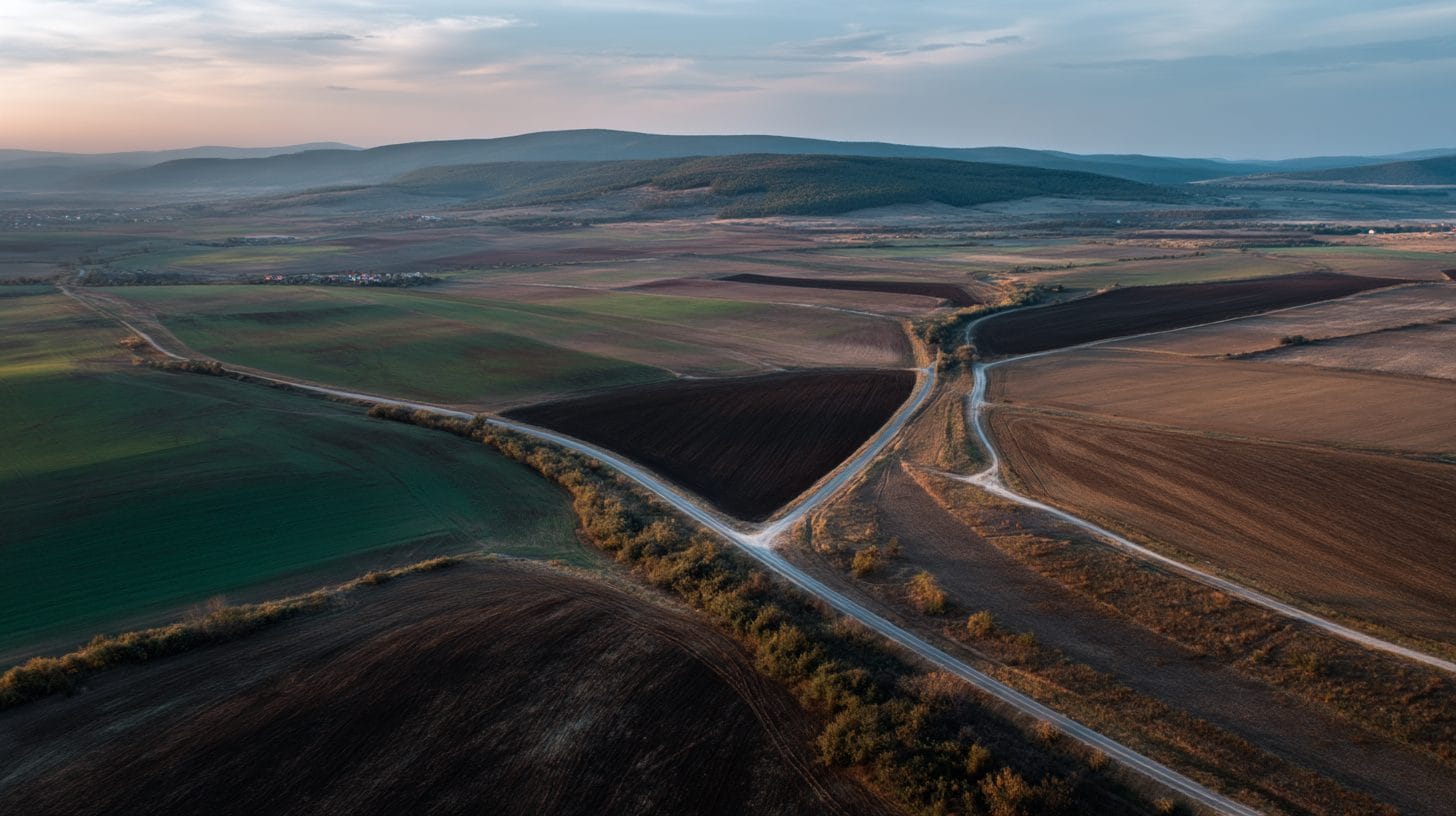
Analyzing Land Price Fluctuations on Bucharest’s Ring Road
Bucharest, the thriving capital of Romania, has experienced significant economic growth over the past few decades. As the nation’s economic and cultural hub, it attracts both local and international investors looking to capitalize on various sectors, particularly in real estate. Among the most notable trends is the phenomenon of land price fluctuations along Bucharest’s Ring Road, a vital artery that encircles the city. This article seeks to provide an in-depth analysis of the land price fluctuations Bucharest Ring Road, exploring the contributing factors, investment opportunities, and future projections.
Understanding the Bucharest Ring Road
The Bucharest Ring Road (Rond) is a critical infrastructure project that significantly enhances connectivity around the city. Completed in segments over the years, this road serves as a perimeter for traffic, absorbing both local and transit vehicles, thereby reducing congestion in the city center. The Ring Road’s strategic position not only facilitates efficient transport of goods and services but also positions adjacent land for commercial and residential development.
Analyzing Land Price Fluctuations
Land price fluctuations around the Bucharest Ring Road have been influenced by several factors, including economic conditions, infrastructural developments, and shifts in demand related to urban sprawl. Since the early 2000s, land prices in this area have experienced considerable volatility.
1. Economic Conditions
The Romanian economy has shown resilience and growth trends post-2008 financial crisis, with rapid developments in technology, services, and manufacturing sectors. These economic factors have buoyed investor confidence, contributing to increased demand for land along key transit routes like the Ring Road. As national GDP grows, so does the purchasing power of individuals and businesses, leading to sustained interest in acquiring land for various uses.
2. Infrastructure Developments
Over the years, the Bucharest City Hall and various government entities have invested significantly in infrastructure projects around the Ring Road. The establishment of commercial parks, logistics centers, and residential districts has created an upward pressure on land prices. Each added infrastructure development not only increases accessibility but also enhances the overall desirability of the area, directly impacting land valuations.
3. Demand and Urban Sprawl
The nature of urbanization has presented challenges and opportunities for land price fluctuations Bucharest Ring Road. Over time, the ring road has become a focal point for urban sprawl as residents seek larger living spaces outside the core urban areas. With the advent of remote work and digital transformation, many individuals prioritize location over proximity to their place of employment. Consequently, this dynamic has transformed demand, pushing prices up as more people look for properties on the outskirts of the city.
4. Regulatory Framework
Government policies and regulations significantly influence land prices. Zoning laws, tax incentives, and environmental regulations create a framework within which investments are made. As regulations change—aimed at controlling urban development or encouraging investment—land prices are likely to fluctuate accordingly. For instance, recent trends in promoting sustainable building practices and green spaces around the Ring Road have influenced the desirability of parcels of land.
Investment Opportunities
The current landscape for land buyers and investors along Bucharest’s Ring Road presents a myriad of opportunities. With the economic landscape improving, interest from commercial entities and developers has increased, which signals a bullish market for land investment. Real estate developers are particularly keen on acquiring land for new commercial spaces, logistics centers, and residential projects.
Moreover, the rising trend towards mixed-use developments is shaping the nature of land utilization across the Ring Road area. Investors might consider pursuing properties that allow for commercial, residential, and recreational facilities, which are increasingly in demand. Given that businesses are minimalizing the need for large office spaces and seeking locations that promote innovation, the potential for investment returns remains high.
Future Projections for Land Prices
Looking ahead, predicting land price fluctuations Bucharest Ring Road requires a careful analysis of ongoing trends and macroeconomic indicators. The continued expansion of infrastructure, rising urban populations, and increased government investment in development initiatives will likely sustain the upward pressure on land prices.
Additionally, Romania’s integration into the European Union and continual improvements in its business environment may breed further confidence for local investors and potential foreign companies exploring opportunities within the capital. This growing interest can amplify demand, driving more investors towards Bucharest’s Ring Road.
In summary, land price fluctuations in Bucharest along the Ring Road reflect a complex interplay of economic factors, infrastructure investments, evolving demand, and regulatory landscapes. For investors, understanding these dynamics is vital to capitalize on opportunities in this promising market. The future holds numerous possibilities, and continued monitoring of these factors will provide critical insights into investment decisions. As Bucharest continues to develop as a central hub in Eastern Europe, its Ring Road will undoubtably remain an area of interest for real estate development and investment pursuits.
Interested in Land Investment in Romania?
We specialize in high-yield land and property opportunities for serious investors.
VIEW OUR CURRENT PORTFOLIOSecure your investment with Land For Investors.

Published: March 23, 2025