

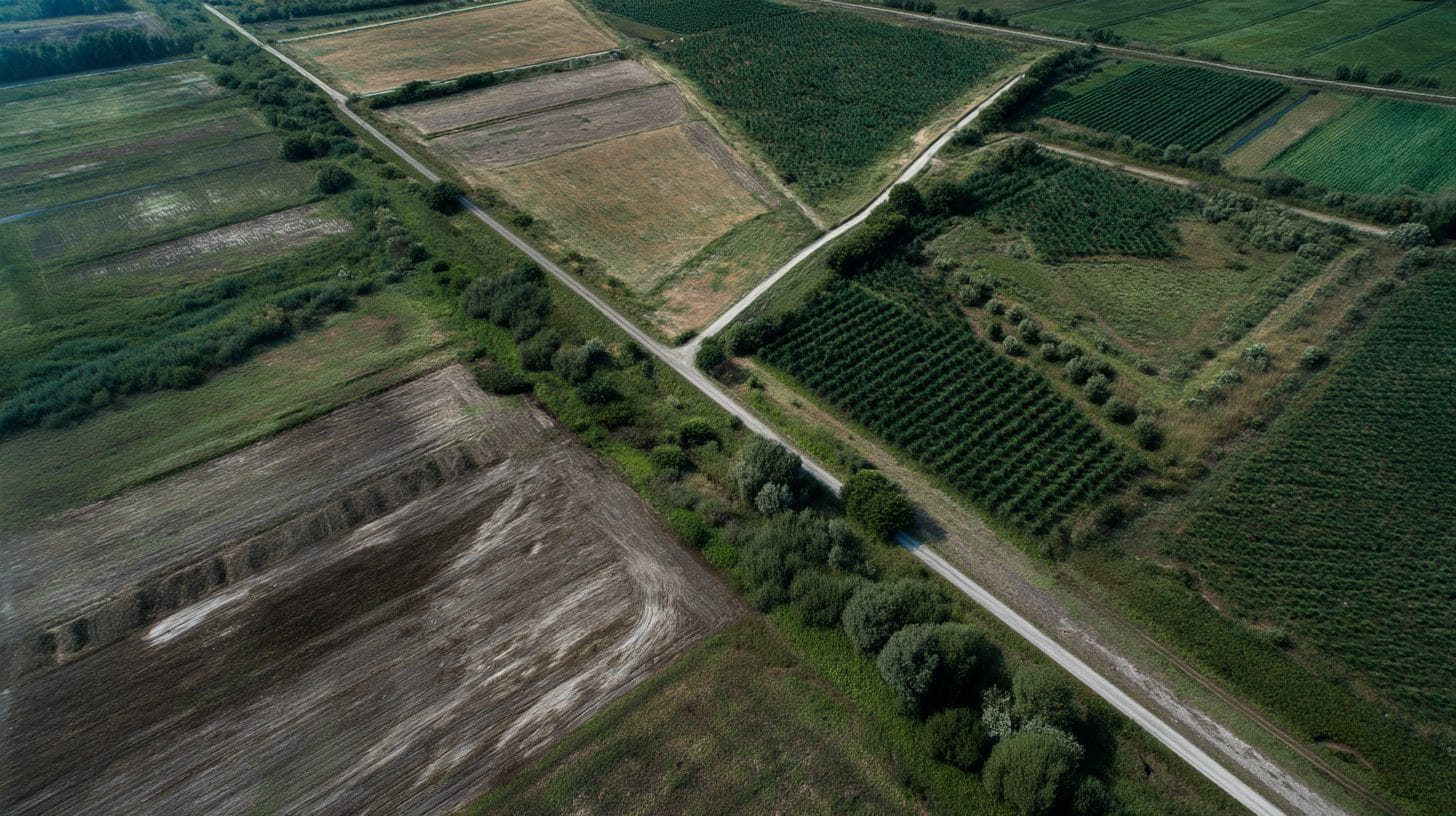
A Guide to Understanding Market Demand for Land on Bucharest’s Ring Road
Bucharest, the capital city of Romania, is experiencing unprecedented growth. With its burgeoning economy, strategic location, and extensive development projects, it has become a focal point for both domestic and foreign investments. One of the most significant areas partaking in this rapid transformation is the Ring Road—an essential thoroughfare encircling the city. This article aims to delve deeply into the market demand for land on Bucharest’s Ring Road, touching on various influential factors, trends, and projections.
Bucharest’s Ring Road: A Strategic Overview
Bucharest’s Ring Road, known as the “Centura București,” spans approximately 100 kilometers and serves as a vital transport network connecting various sectors of the city. The Ring Road facilitates the movement of goods and people, thus supporting economic activities and contributing to the urban sprawl. It acts as a buffer zone, separating urban areas from rural land while simultaneously offering opportunities for commercial and residential development.
Given its strategic importance, land along this route has become increasingly desirable for various stakeholders, including real estate developers, entrepreneurs, and businesses looking to establish a presence in one of Europe’s most dynamic cities. The growth in market demand for land on Bucharest’s Ring Road can be attributed to several factors, which we will explore further in this guide.
Market Demand Factors: Economic Growth and Infrastructure Development
Economic resilience is a driving force behind the increasing demand and value of land along Bucharest’s Ring Road. Over the past few years, Romania has exhibited robust economic growth, significantly outperforming many European nations. The capital city is at the heart of this momentum, with a flourishing market characterized by a diverse economy encompassing technology, manufacturing, logistics, and services.
As businesses seek to capitalize on Bucharest’s economic opportunities, the demand for land on the Ring Road has surged. Entrepreneurs are drawn to the potential for commercial enterprise, while companies looking to establish logistics hubs find the Ring Road’s connectivity advantageous for supply chain efficiency. This activity creates a continuous influx of interest in land parcels situated along the route.
Infrastructure development also plays a pivotal role in shaping market demand for land on Bucharest’s Ring Road. Recent and ongoing projects include the expansion of public transport facilities, the creation of green spaces, and improvements in road connectivity. Significant investments in infrastructure not only enhance property values but also improve accessibility, which is crucial for attracting new businesses and residents. The advent of the Metro and the continued development of the highway network are important indicators of the commitment to enhance the urban landscape surrounding the Ring Road.
Zoning Regulations and Urban Planning
Understanding the zonal regulations and urban planning policies that govern land use on Bucharest’s Ring Road is critical for stakeholders. Various municipalities oversee zoning, which determines how land can be utilized—whether for commercial, industrial, residential, or mixed-use development. These regulations can either bolster or hinder market demand, depending on the nature of the zoning and the approval process.
Recent changes in urban planning policies have begun to reflect the growth trends in Bucharest. New regulations aim to encourage investments by making land development easier and faster, thereby increasing the attractiveness of properties along the Ring Road. As a result, stakeholders are more likely to pursue land acquisitions for construction projects that align with the updated zoning framework, further driving up demand.
Market Trends: Residential and Commercial Developments
As the demand for land on Bucharest’s Ring Road escalates, a distinct trend emerges: the shift towards mixed-use developments that encapsulate both residential and commercial opportunities. This shift aligns with contemporary urban living preferences, where people seek the convenience of living close to work and essential services. Developers are keen to capitalize on this trend by creating integrated communities that attract young professionals, families, and retirees.
– Residential Developments: The appeal of living in proximity to work hubs has led to increased residential project launches. Investors are developing apartment complexes and gated communities, catering to various income brackets. Due to the limited availability of land in the urban core, properties along the Ring Road are becoming increasingly attractive for residential developers, driving up prices and demand.
– Commercial Developments: On the commercial side, demand is high for logistics centers, retail parks, and business hubs that leverage the accessibility provided by the Ring Road. With the rise of e-commerce, businesses are keen to establish warehouses and distribution centers within easy reach of major transport routes. As logistics operators seek to optimize their supply chains, land on the Ring Road becomes indispensable, contributing to a steady rise in demand.
Investment Opportunities and Projections
Investors remain optimistic about the potential returns linked to land along Bucharest’s Ring Road, particularly as Romania’s economy continues to recover and expand post-pandemic. Economic indicators show continued growth, leading many analysts to forecast heightened demand for land in the area. Key factors influencing future demand forecasts include:
1. Increased Urbanization: As the population of Bucharest continues to grow, urban sprawl will inevitably expand beyond the city limits, leading to a further rise in land demand.
2. Foreign Direct Investment (FDI): The influx of foreign investments will continue to bolster demand for commercial real estate and land development projects.
3. Evolving Work Patterns: The rise of remote and hybrid work models will compel businesses to rethink their physical spaces, further driving demand for adaptable commercial properties near transport hubs.
It is critical for stakeholders, including developers, investors, and local authorities, to remain agile and responsive to changing market trends. A comprehensive understanding of market demand for land on Bucharest’s Ring Road will ultimately empower them to make informed decisions, maximizing returns while contributing to sustainable urban growth.
Conclusion
In conclusion, the market demand for land on Bucharest’s Ring Road is influenced by an intricate interplay of economic growth, infrastructure development, urban planning, and emerging trends in residential and commercial real estate. As Bucharest continues to evolve, stakeholders must stay informed on market dynamics to fully leverage the opportunities presented by this vibrant area. Whether you are an investor, developer, or local government official, understanding the factors driving demand for land on Bucharest’s Ring Road will be crucial for navigating this exciting landscape. The future holds considerable potential for growth, and the adaptability to seize these opportunities will only enhance Bucharest’s standing as a prime location for commercial and residential development in Romania and beyond.
Interested in Land Investment in Romania?
We specialize in high-yield land and property opportunities for serious investors.
VIEW OUR CURRENT PORTFOLIOSecure your investment with Land For Investors.

Published: March 23, 2025