

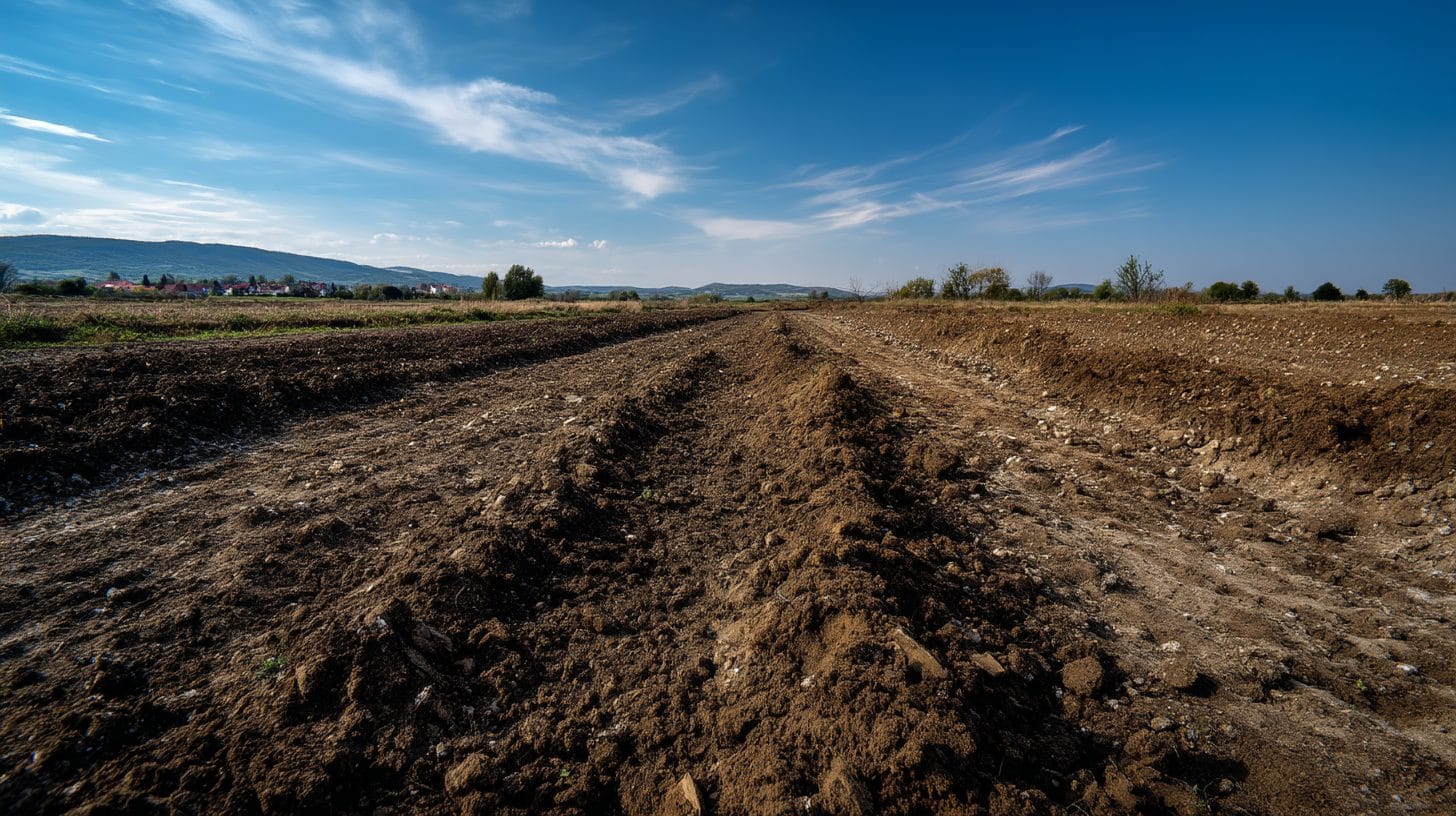
A Guide to Using Real Estate Data Analytics for Land Investments in Romania
The landscape of investment opportunities has evolved dramatically in recent years, particularly in the realm of real estate. As technology continues to advance, access to comprehensive data and analytical tools has transformed how investors, developers, and prospective buyers approach properties, lands, and overall real estate investments. In Romania, a country rich in potential for land investments, leveraging real estate data analytics offers significant advantages for those looking to navigate and capitalize on the market effectively.
Understanding Real Estate Data Analytics
Real estate data analytics involves the systematic analysis of vast amounts of data related to property transactions, market trends, economic indicators, zoning regulations, demographics, and other relevant factors influencing land and real estate investments. In Romania, where the market is characterized by rapid changes and growth, employing real estate data analytics can provide clear insights into the current landscape, ultimately informing better decision-making for investors.
Key Benefits of Real Estate Data Analytics for Land Investments
Using real estate data analytics can benefit investors in various ways:
1. Enhanced Market Understanding: Data analytics allows investors to gain insights into market dynamics, including supply and demand fluctuations, pricing trends, and competitor analysis. A robust understanding of these factors can pave the way for informed investments.
2. Improved Decision-Making: Investing in land is often accompanied by financial risks. Real estate data analytics helps mitigate this by providing data-driven perspectives that aid in making informed decisions rather than relying solely on intuition or anecdotal evidence.
3. Identification of Potential Opportunities: By using data analytics, investors can identify under-the-radar opportunities for land acquisition. Areas experiencing revitalization, urban growth, or infrastructural development often report increased land value, indicating potential investment promise.
4. Risk Assessment: Real estate data analytics can assist in identifying potential risks associated with specific land investments, including environmental hazards, regulatory challenges, and socio-economic factors that may affect property values in the future.
5. Performance Tracking: An ongoing analysis of one’s investment portfolio using real estate data analytics helps maintain oversight of performance metrics, enabling investors to measure the effectiveness of their investments and adjust strategies accordingly.
Key Data Points to Analyze in Romanian Land Investments
For investors venturing into the Romanian market, several key data points can provide critical insight into potential land investments:
1. Property Values and Trends: An analysis of historical and current property values in different regions of Romania can illustrate how land prices are trending. This data is crucial in recognizing when to buy or sell and can help forecast future price movements.
2. Demographics: Understanding demographics is essential for land investment. Factors such as population growth, age distribution, income levels, and migration patterns can influence demand for residential, commercial, and agricultural land.
3. Economic Indicators: A robust economy typically correlates with a strong real estate market. Analyzing macroeconomic indicators such as GDP growth, inflation rates, and employment levels in Romania allows investors to understand the broader economic environment.
4. Infrastructure Development: Investments in infrastructure often lead to increased land value. Tracking planned and ongoing projects, such as transportation routes, schools, and public facilities, can alert investors to potential upticks in land desirability.
5. Zoning Regulations: Land use regulations can significantly impact the viability of investments. Analyzing zoning laws and property classifications can help investors understand how land can be utilized, informing whether it aligns with their investment objectives.
6. Competitor Analysis: Understanding who else is investing in a particular area helps investors assess the competitive landscape. Real estate data analytics provides insights into the types of buyers, their investment strategies, and trends regarding market entry and exit.
Steps to Implement Real Estate Data Analytics for Investments
To fully leverage the capabilities of real estate data analytics in land investments, investors in Romania can follow these essential steps:
1. Gather Data: Begin by collecting relevant data from established databases, government agencies, local municipalities, and real estate platforms. This data should encompass property transactions, pricing history, demographic statistics, and economic reports.
2. Utilize Analytical Tools: Employ advanced analytical tools, including Geographic Information Systems (GIS) and business intelligence platforms, to visualize and interpret the data. These tools can convert raw data into actionable insights.
3. Conduct Market Analysis: Perform a thorough market analysis to assess current trends and future projections. This analysis will aid in identifying optimal investment locations and conditions.
4. Identify Opportunities: Using data analytics, pinpoint areas with growth potential based on emerging trends in the market, such as rising property values or population influx.
5. Monitor Performance: Regularly track the performance of investments using data analytics tools. This continuous monitoring allows investors to modify strategies and make timely decisions based on real-time data.
6. Stay Informed: The real estate landscape in Romania can shift quickly, making it essential to remain updated on market changes, economic shifts, and regulations affecting land investments.
Conclusion
The Romanian real estate market presents significant opportunities for land investments, and integrating real estate data analytics into the decision-making process can offer a competitive edge. By leveraging the power of data, investors can enhance their understanding of market dynamics, identify emerging opportunities, and make informed financial decisions that align with their investment goals. As technology continues to evolve, those who adapt and embrace data-driven approaches will likely see superior outcomes in their land investments in Romania.
Real estate data analytics is not merely a trend; it has become an essential tool for success in the dynamic world of land investment. By harnessing this strategic asset, investors can ensure they position themselves advantageously within the Romanian market, paving the way for sustainable growth and profitability.
Interested in Land Investment in Romania?
We specialize in high-yield land and property opportunities for serious investors.
VIEW OUR CURRENT PORTFOLIOSecure your investment with Land For Investors.

Published: April 11, 2025