

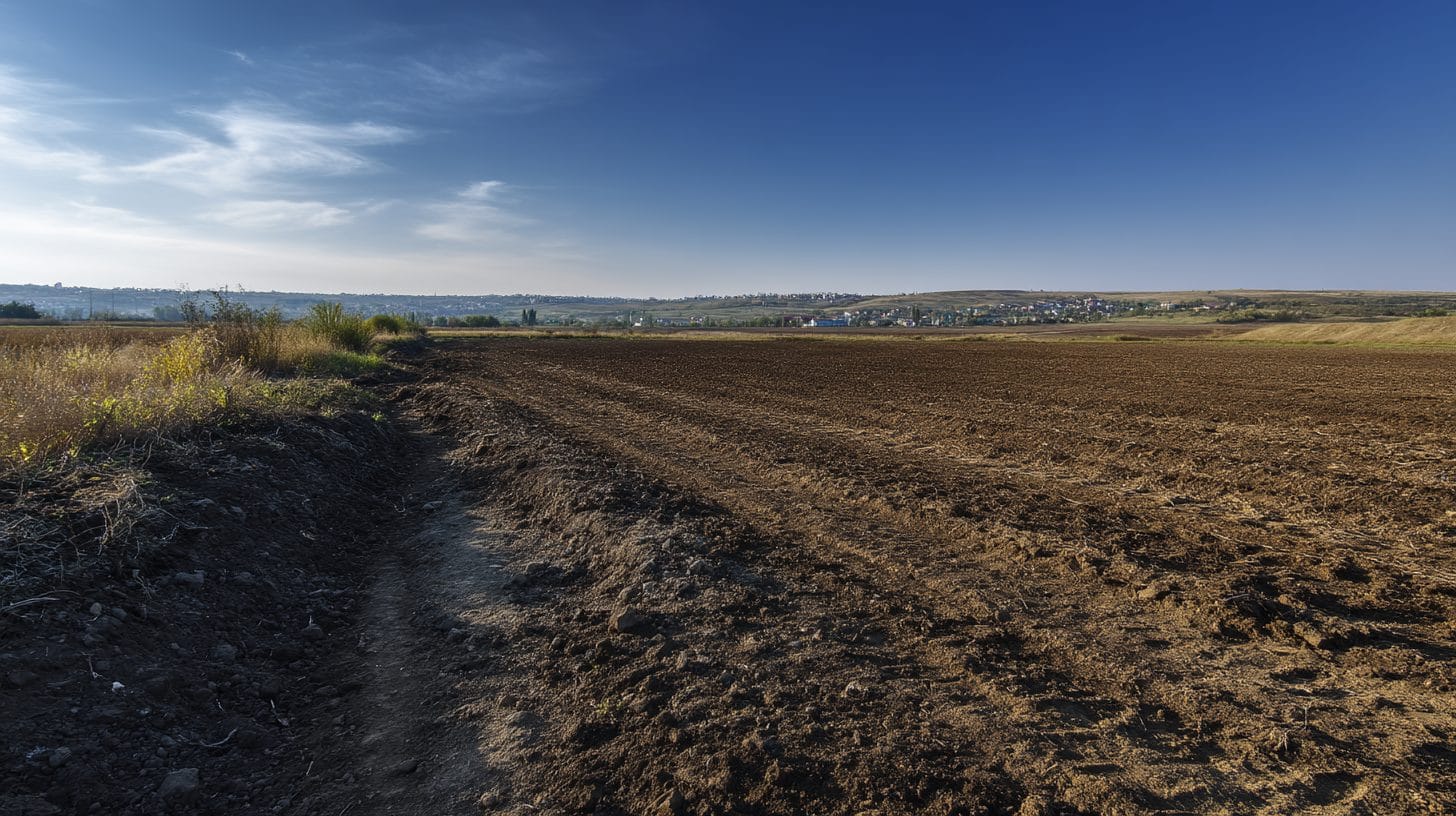
A Guide to Understanding Land Market Cycles Near Bucharest
The real estate landscape in Romania, particularly in and around Bucharest, is characterized by distinct land market cycles that can significantly impact investment decisions. Understanding these cycles is crucial for investors, developers, and stakeholders who wish to navigate the rich, yet often complex, terrain of land transactions. This guide aims to illuminate the various stages and factors influencing land market cycles in Bucharest.
Land Market Cycles Explained
Land market cycles generally refer to the periodic fluctuations within the real estate market, which can be attributed to economic conditions, demographic trends, and various regulatory frameworks. In Bucharest, these cycles typically manifest in four stages: recovery, expansion, hyper-supply, and recession. Each stage presents unique opportunities and challenges for land buyers and sellers.
1. Recovery Stage
The recovery phase follows a recession in the land market cycle. During this period, economic stability begins to return, allowing for the slow but steady resurgence of land prices. Bucharest’s recovery is often influenced by macroeconomic indicators such as GDP growth, employment rates, and consumer confidence. Factors such as government policies aimed at boosting economic activity can also play a significant role.
Investors seeking opportunities during this phase may find lower land prices, paired with the potential for appreciation as the market rebounds. However, careful analysis is necessary to differentiate between areas that are truly recovering versus those that may continue to struggle.
2. Expansion Stage
The expansion phase marks a period of significant growth in land values and transactional volume. Driven by increased demand for residential, commercial, and industrial land, this stage is characterized by heightened investor confidence and often, foreign investment influx. For Bucharest, factors contributing to this expansion include urbanization, improved infrastructure, and an influx of population seeking housing options.
During the expansion stage, developers and investors often rush to capitalize on the booming market. However, it’s important to remain vigilant, as this phase can lead to inflated prices and over-speculation. An accelerated pace in land purchases can outstrip demand, leading to a potential oversupply in subsequent phases.
3. Hyper-Supply Stage
The hyper-supply phase is often characterized by excessive land availability, resulting from overbuilding during the expansion stage. Land prices may begin to plateau or even decline as supply exceeds demand. Investors may face challenges in selling their assets at desired prices, and potential buyers might adopt a more cautious approach, waiting for better deals to surface.
In Bucharest, this stage is often marked by a temporary halt in new projects and a slowdown in property transactions. Savvy investors may identify opportunities during this phase to acquire undervalued land parcels, but thorough market analysis is essential. It is crucial to assess regional demand forecasts, zoning regulations, and potential development plans to navigate effectively through this cycle.
4. Recession Stage
The recession stage signifies a downturn in the market, marked by declining land prices and a significant reduction in transactional activity. Several factors can lead to this stage, including economic downturns, political instability, or changes in consumer preferences. Bucharest has, in the past, faced challenges such as economic fluctuations and political changes that created uncertainty.
While this may seem bleak for landowners, it can also open up investment opportunities for those with the financial capacity to wait for the market to recover. Potential strategies during this phase include securing attractive deals on distressed properties or diversified investments in different geographical areas to offset losses.
Understanding Influences on Land Market Cycles
Several key factors influence land market cycles in Bucharest and must be thoroughly analyzed to make informed investment decisions:
1. Economic Indicators
The performance of the Romanian economy directly affects the land market cycles. Macroeconomic indicators, such as GDP growth, consumer spending, and unemployment rates, can influence buyer behavior and determine land demand.
2. Demographics
Population growth, urban migration, and changing consumer preferences significantly shape land demand. Bucharest, being the country’s capital and the largest city, witnesses constant demographic changes that impact housing requirements and land use.
3. Infrastructure Development
Government investment in infrastructure such as transportation, utilities, and public amenities can increase the attractiveness of specific districts, leading to a surge in land values. Investors should keep an eye on ongoing and planned projects that could reshape the land market landscape.
4. Government Policies
Real estate regulations, zoning laws, and urban planning initiatives can impact land availability and pricing. Understanding local government policies is critical for navigating the complexities of land transactions in Bucharest.
5. Global Economic Trends
As a hub for international business, Bucharest is susceptible to global economic conditions. Fluctuations in international markets, foreign investments, and geopolitical developments can all influence local land market cycles.
Strategies for Navigating Land Market Cycles in Bucharest
Investors and real estate professionals can adopt several strategies to navigate the cyclical nature of land markets effectively:
1. Conduct Thorough Market Research
Staying informed about regional trends, property values, and economic indicators enables investors to make educated decisions. Utilizing tools such as market reports from real estate agencies or engaging local experts can provide valuable insights.
2. Analyze Timing Carefully
Understanding where the market stands within the cycle can help determine appropriate entry and exit points. Investing during the recovery stage may yield better returns compared to purchasing during a recessive phase.
3. Diversify Investments
To mitigate risks associated with market fluctuations, investors should consider diversifying their property portfolios across various types of land and geographic regions.
4. Build Relationships
Creating strong networks within the local real estate community can provide investors with invaluable information and opportunities. Engaging with brokers, developers, and landowners can uncover potential leads before they reach the open market.
5. Stay Agile
The real estate landscape is ever evolving. Investors who remain flexible and ready to adapt their strategies based on changing conditions can capitalize on new opportunities that may arise during different stages of the market cycle.
In Conclusion
Understanding the land market cycles Bucharest offers is paramount for anyone looking to invest in this vibrant city. By grasping the characteristics of each stage, the factors influencing these cycles, and implementing effective strategies, investors can navigate the complexities of the land market and maximize their investment potential. Bucharest’s dynamic real estate environment holds both challenges and opportunities, making it an exciting landscape for astute investors keen on harnessing its full potential.
Interested in Land Investment in Romania?
We specialize in high-yield land and property opportunities for serious investors.
VIEW OUR CURRENT PORTFOLIOSecure your investment with Land For Investors.

Published: March 13, 2025