

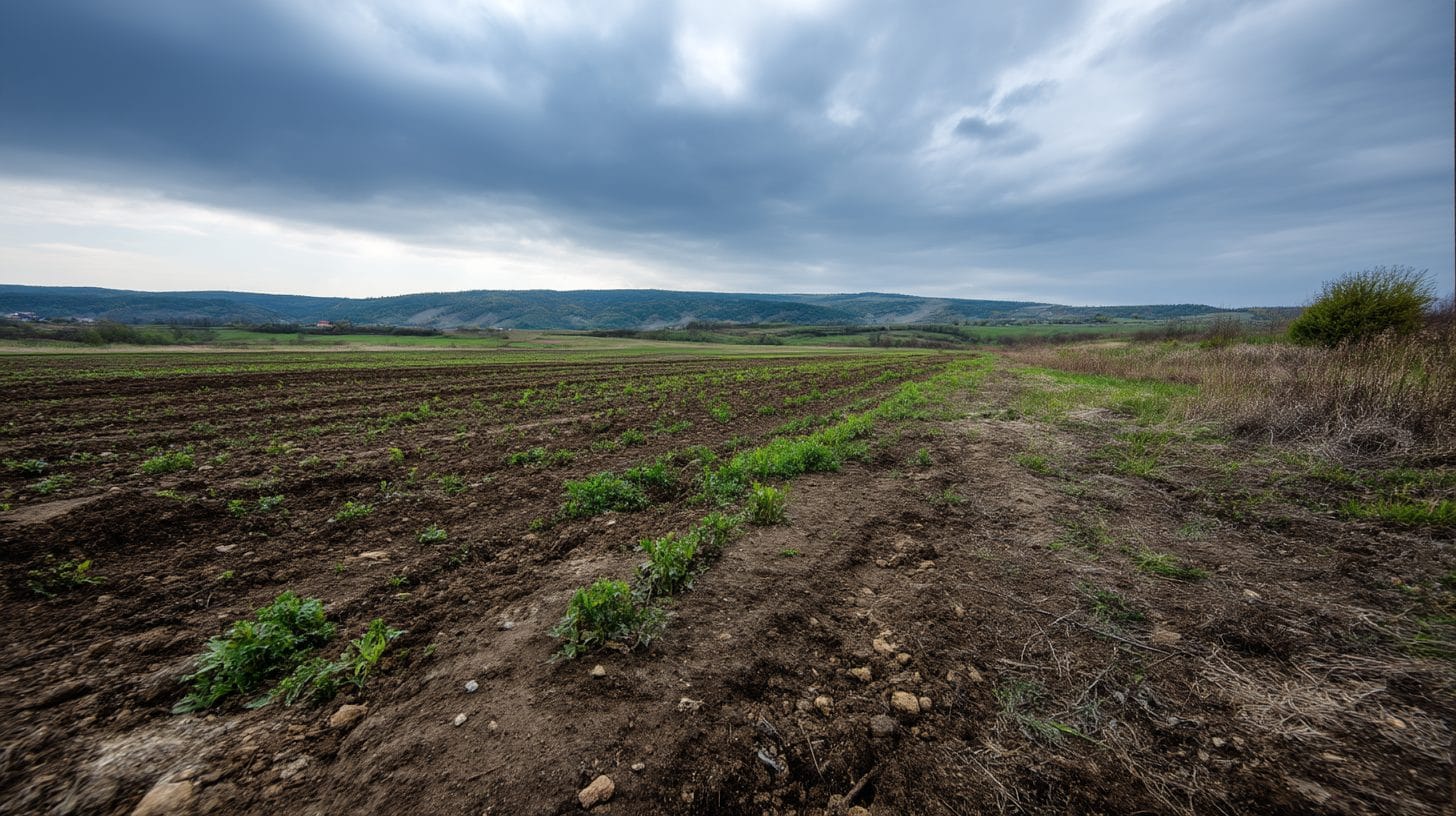
A Guide to Understanding Land Leases Versus Freehold Ownership in Romania
When considering real estate investment or development in Romania, understanding the distinction between land leases and freehold ownership is paramount. As the country continues to develop economically, knowing the intricacies of land lease vs freehold Romania is essential for both local citizens and foreign investors. This article aims to clarify the concepts, benefits, and pitfalls of land leases and freehold ownership in Romania.
Historically, Romania has had a complex relationship with land ownership, particularly since the fall of communism in 1989. The transition to a market economy has brought about significant changes in property laws, and navigating through these laws requires a thorough understanding of the two major types of land tenure: freehold and leasehold.
Freehold ownership, or “proprietate” in Romanian law, bestows complete ownership rights to the property holder. The freeholder enjoys all the legal rights associated with the land, including the ability to sell, lease, or encumber it as they see fit. Freehold ownership in Romania is generally seen as the most secure form of property ownership. It grants the owner autonomy over their land and a title deed that proves their legal claim. This kind of ownership appeals to many investors looking to establish a permanent base in Romania, making it a preferred option for those who wish to develop residential, commercial, or agricultural properties.
Additionally, freehold ownership allows the owner to benefit from property appreciation. As urban areas continue to grow and develop, freeholders can see a significant increase in the value of their land over time. Furthermore, Romanian freeholders benefit from legal protections under Romanian law, which can offer recourse in cases of disputes with local authorities or other property owners.
However, it is essential to remember that freehold ownership also comes with obligations. Owners are responsible for property taxes, maintenance costs, and compliance with local zoning regulations. Moreover, freeholders should stay informed about any changes in property laws, as these can affect their rights and obligations.
On the other hand, land leases, or “teren închiriat,” are common alternatives to freehold ownership in Romania. A land lease involves renting the land from the government or a private landowner for a specified period, typically ranging from 10 years to 99 years. Leaseholders do not own the land; instead, they have the right to use and develop it as stipulated in the lease agreement. This option can be appealing for individuals or businesses looking to invest in real estate without the substantial upfront costs associated with purchasing property outright.
Choosing a land lease can also provide flexibility for businesses that anticipate changes in their operations or for investors who wish to minimize their capital outlay. For foreign investors, understanding the nuances of lease agreements is especially critical, as Romanian law may impose specific restrictions or conditions on leasehold properties.
Leaseholders may be required to pay an annual rent to the landowner, and these payments can fluctuate depending on contractual negotiations or market conditions. The lease terms can also dictate the types of developments allowed on the land, and any restrictions imposed by the landowner must be adhered to. Additionally, if the leaseholder wishes to extend the lease at the end of the term, this will usually require negotiation with the landowner, which may or may not result in favorable terms.
One of the key disadvantages of land leases compared to freehold ownership is the lack of permanent ownership. Many leaseholders may find themselves in a precarious position if their lease is not renewed or if the landowner opts to sell the land, especially if considerable investments have already been made in development. Moreover, leaseholders do not benefit from the capital appreciation of the land itself, which can be a significant financial disadvantage over time.
Investors must also be aware of the particulars surrounding the registration of lease agreements. In Romania, unregistered leases may not be enforceable against third parties, which means that potential disputes could arise regarding the rights of the leaseholder.
In summary, the choice between land lease vs freehold Romania comes down to individual circumstances, investment strategies, and risk levels. Freehold ownership offers security, long-term appreciation potential, and autonomy over the property, making it an attractive option for many. Conversely, a land lease can present a more financially accessible entry point into the Romanian real estate market, albeit with inherent risks and limitations regarding ownership.
When making the decision, potential investors should carefully evaluate their financial resources, tenure goals, and risk tolerance. Seeking legal advice and engaging with local real estate experts can help demystify the process and clarify the implications of both freehold ownership and land leases in Romania.
In conclusion, understanding the nuances of land leases and freehold ownership is crucial for making informed decisions in the Romanian real estate market. Whether opting for a land lease or pursuing freehold ownership, comprehensive knowledge of Romanian laws, regulations, and market conditions can facilitate a smoother investment experience, ultimately leading to successful real estate dealings in this dynamic and evolving landscape.
Interested in Land Investment in Romania?
We specialize in high-yield land and property opportunities for serious investors.
VIEW OUR CURRENT PORTFOLIOSecure your investment with Land For Investors.

Published: April 12, 2025