

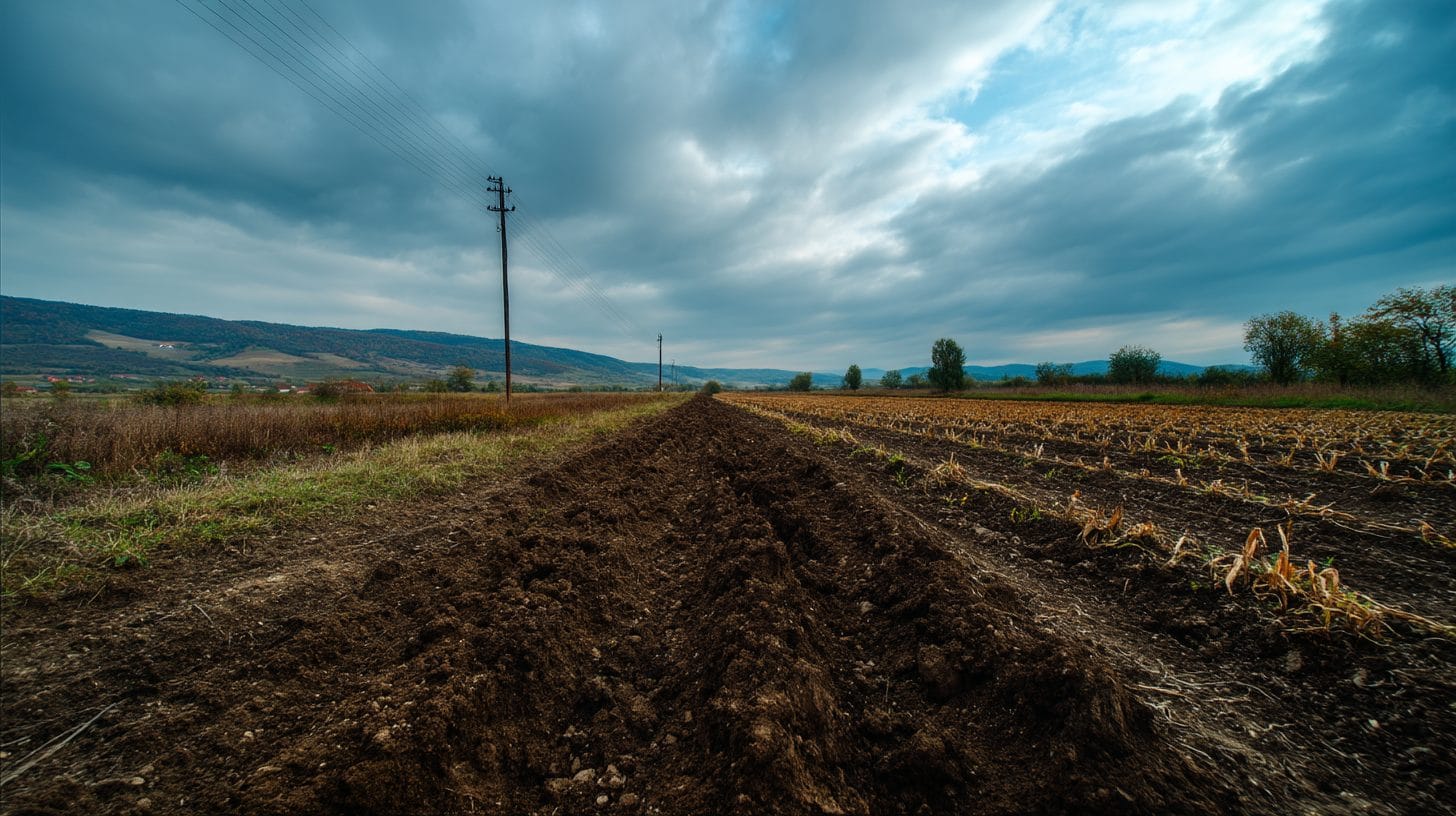
Romania’s renewable energy market has been gaining strategic attention in recent years, and for investors seeking long-term growth opportunities, wind farm land to buy in Iasi stands out as a high-potential asset. Located in the northeastern region of the country, Iasi benefits from strong and consistent wind currents, favorable topography, and an evolving regulatory framework geared towards green energy. As global demand for renewable power intensifies, land parcels suitable for wind energy projects in this region represent a compelling opportunity with notable upside. However, understanding the landscape requires a thorough assessment of the opportunities, risks, and expected returns involved.
Why Iasi is Gaining Attention for Wind Energy Development
Iasi County is emerging as a strategic point of interest within Romania’s wind energy map, primarily due to its geographical exposure and infrastructural potential. Unlike the already heavily developed Dobrogea region, Iasi offers a less saturated environment with available and affordable land zones that are still positioned for competitive wind yields. Wind studies conducted in the area show average wind speeds that meet commercial parameters, making many zones viable for utility-scale turbine deployment.
Additionally, Romania’s national renewable energy goals—in line with European Union directives—prioritize the increase of wind-based electricity generation. Iasi sits on the path of national grid improvement projects, and areas near existing substations can provide significantly lower connection costs and logistics challenges for developers.
Legal and Regulatory Considerations When Purchasing Wind Farm Land
Before acquiring wind farm land in Iasi, investors must understand Romania’s property acquisition laws, especially those applicable to land destined for energy development. Foreign nationals can purchase land indirectly through a Romanian-registered legal entity. Additionally, several permits and administrative steps are necessary to initiate wind operations, including zoning approvals, environmental impact assessments, feasibility studies, and connection agreements with Transelectrica, the national transmission operator.
Crucially, land designated for agricultural use typically needs to be converted into construction land (intravilan), which can be a time-consuming process if not anticipated early on. Areas already pre-zoned or designated for industrial or energy purposes offer a shortcut through many bureaucratic layers. Legal due diligence is therefore vital to identify any encumbrances, ongoing disputes, or restrictions related to land use.
Evaluating the Investment Returns
Wind power development tends to offer stable and long-duration returns, especially when power purchase agreements (PPAs) or balancing mechanisms are secured. In Romania, large projects over 10 MW have the potential to access government-supported auction systems, and green certificates—while restructured in recent years—still offer incentives in select cases.
For private investors or development companies, the expected internal rate of return (IRR) for wind farm projects in Romania typically falls between 8% and 12%, depending on project size, grid connection costs, and financing structure. In Iasi, land acquisition costs are currently more favorable compared to coastal or Western Romanian regions, offering lower entry points and raising the overall project NPV. Additionally, agrivoltaic or dual land-use systems—such as agricultural use beneath turbine foundations—can add auxiliary streams of return, provided they comply with local land-use plans.
Factors Impacting Land Valuation and Profitability
When seeking wind farm land to buy in Iasi, location-specific attributes significantly affect both upfront land cost and long-term profitability. Proximity to transmission lines and substations is a key value driver, as is the annual wind speed and terrain accessibility. Investors should work closely with wind resource consultants to evaluate long-term viability before committing to a parcel.
Size and shape of the land also matter. Wind farm layouts are sensitive to turbine spacing and setback requirements, so irregular or narrow plots may reduce turbine density and diminish output potential. Topographic features, elevation, and proximity to natural reserves or protected cultural sites also influence project feasibility and regulatory approval prospects.
Grid Access and Local Infrastructure
One of the most pressing challenges for wind development in Romania is grid availability. While Iasi is undergoing grid modernization and regional infrastructure development, access bottlenecks remain a real consideration. Investors must ensure that any target land parcel has practical and cost-effective access to the high-voltage network needed for large-scale generation.
Furthermore, site logistics—including road access for turbine delivery, clearances for crane operations, and local workforce availability—can impact construction and operational budgets. In this regard, Iasi benefits from regional transport routes and EU-funded infrastructure projects that are improving rural connectivity throughout Moldova.
Risks to Consider Before Committing
Despite its promise, investing in wind farm land in Iasi carries several risks. First is the regulatory risk. Romania has historically undergone several shifts in energy policy, including sudden changes in incentive structures. While current trends support renewables, policy volatility could affect revenue forecasts. Second, project development timelines can stretch due to delays in permitting or land access rights, particularly if multiple co-owners or absentee owners are involved.
Additionally, investors must evaluate technology risks and evolving turbine requirements. A land parcel viable today for a specific turbine model may lose appeal if newer models require different spacing or foundation conditions. Environmental constraints such as bird migration paths or protected habitats can also halt or modify development plans.
Mitigating these risks involves conducting comprehensive feasibility assessments and securing strong technical and legal advisory teams. Joint ventures with experienced local developers or project acquirers with existing grid connection agreements can also be a way to de-risk initial investments.
Market Outlook and Exit Strategies
The medium-to-long term outlook for Romania’s wind energy sector remains solid, with the National Energy and Climate Plan (NECP) targeting more than 5 GW of wind energy capacity by 2030. This positions Iasi as a favorable destination for medium-sized wind farms and supplemental installations tied to hybrid renewable projects.
Exit strategies for investors who acquire wind farm land in Iasi may include direct project development followed by portfolio sale to infrastructure funds or utility companies, or land flipping after securing zoning approval and partial permits. Given Romania’s increasing role as a renewable entry point in Eastern Europe, international interest in pre-approved wind projects has surged, particularly from Scandinavian and German energy investors.
Conclusion
Acquiring wind farm land to buy in Iasi presents a promising avenue for foreign and institutional investors looking for exposure to the green energy transition in Romania. With steadily improving infrastructure, favorable wind resources, and land prices that still offer attractive entry points, the region is gaining credibility as a viable alternative to traditional wind corridors. However, like any high-potential investment, success depends on thorough due diligence, adaptive development strategies, and expert navigation of Romania’s regulatory landscape. For those willing to engage strategically, Iasi offers both yield and scale in one of Europe’s most underutilized renewable markets.
Interested in Land Investment in Romania?
We specialize in high-yield land and property opportunities for serious investors.
VIEW OUR CURRENT PORTFOLIOSecure your investment with Land For Investors.

Published: January 20, 2026