

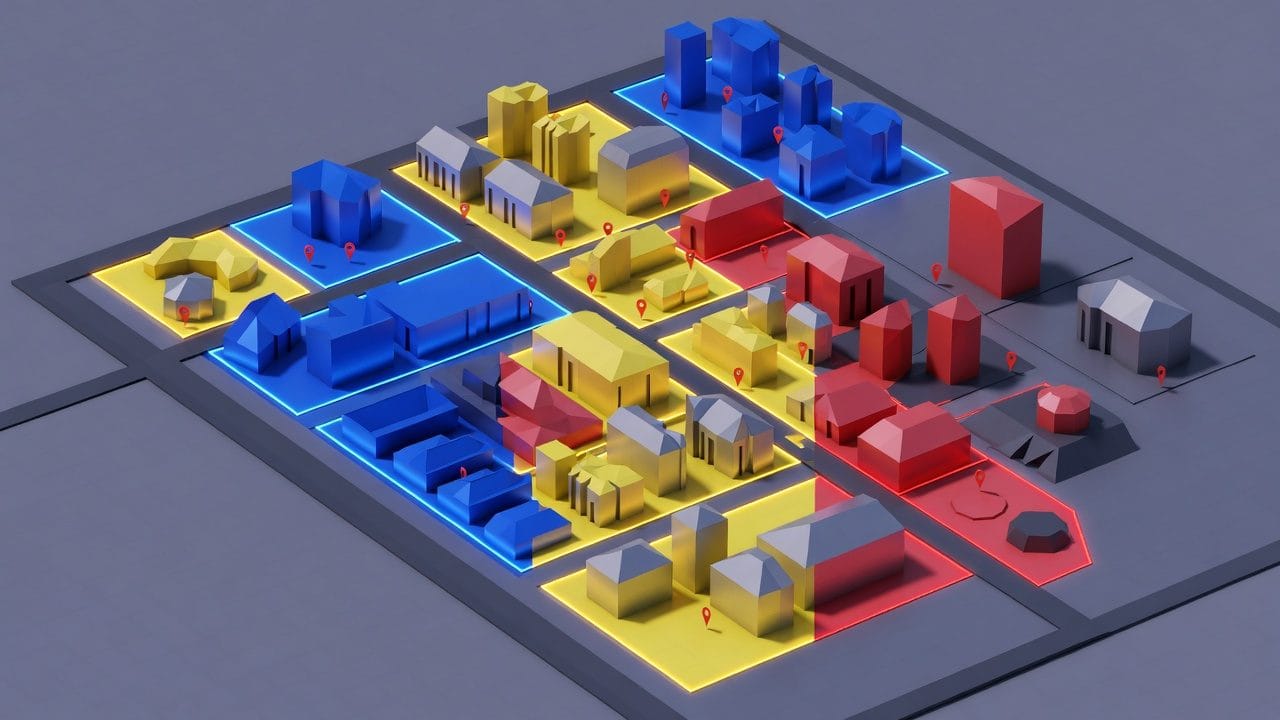
Romania’s real estate market presents a compelling opportunity for foreign investors, particularly in the realm of land acquisitions. With a diverse landscape that includes urban centers, picturesque countryside, and coastal properties, the country is attracting attention not only for its growth potential but also for its appealing price point compared to Western European nations. Understanding the nuances of land investment in Romania can significantly enhance the strategic approach of any investor looking to capitalize on this emerging market.
The Romanian real estate landscape has undergone substantial transformations over the past decade, driven by economic stabilization and increasing foreign direct investments. This has led to a steady rise in property values, particularly in cities like Bucharest, Cluj-Napoca, and Timișoara, which are witnessing a construction boom. As demand for housing and commercial spaces grows, so does the interest in land acquisition. Land in Romania is often seen as a foundational investment, providing opportunities for various developments, whether residential, commercial, or agricultural.
Economic Factors Influencing Land Investments
Investors must consider several economic factors when evaluating the Romanian land market. Romania is an EU member state, which offers a level of economic stability and legal protection for foreign investments. The country has experienced consistent GDP growth, which bodes well for continued demand in real estate. Additionally, the government has implemented measures to attract foreign investment, including modifications in tax policies and easing of administrative procedures, making it more accessible for foreign buyers to enter the market.
The labor market in Romania is another attractive element for investors. With a growing pool of skilled labor at competitive wages, developers can benefit from lower operational costs compared to Western European counterparts. This factor contributes significantly to the profitability of projects that focus on developing residential and commercial properties on purchased land.
Key Areas for Land Investment
Investors looking at specific regions should focus on areas with high growth potential. Bucharest remains the capital city and an economic powerhouse, with a booming technology sector and numerous multinational corporations establishing local headquarters. The demand for both residential properties and commercial space in Bucharest is driving up land prices and incentivizing new construction projects.
Cluj-Napoca, known as the “Silicon Valley of Romania,” also offers enticing investment opportunities. With a burgeoning technology and startup ecosystem, Cluj has spawned a need for housing and infrastructure development. Obtaining land in this city for real estate projects can yield excellent returns as the population grows and urbanizes.
The rural areas and the Transylvanian region are gaining traction among investors interested in agricultural land and eco-tourism projects. Romania’s diverse natural landscapes and rich cultural heritage make it an attractive destination for tourists, which presents a unique opportunity for land investments aimed at developing resorts or recreational facilities.
Legal Considerations for Foreign Investors
Understanding the legal framework governing land purchases in Romania is crucial for foreign investors. The Romanian legal system permits foreign individuals and entities to buy land, albeit with certain restrictions. Foreigners can acquire land through a Romanian company or, in some cases, upon fulfilling specific investment criteria. It is advisable for investors to engage local legal counsel to navigate these complexities effectively.
Due diligence is essential in land investments. Conducting thorough research on the land title, zoning regulations, and any potential encumbrances is critical to avoid future disputes. Furthermore, understanding the local market dynamics and engaging with local real estate professionals can significantly enhance the investment strategy and mitigate risks.
Investment Opportunities beyond Traditional Real Estate
Investors should also consider alternative opportunities in Romania’s land market, such as joint ventures with local developers or investments in agricultural land. The latter has become increasingly attractive due to Romania’s favorable climate and fertile soil, making it an excellent option for agribusiness ventures. The trend of organic farming is also on the rise, creating further prospects for land development in agricultural areas.
In addition, renewable energy projects are gaining momentum in Romania. The country aims to diversify its energy sources and invest in sustainable technologies, which opens avenues for land acquisitions aimed at solar, wind, or biomass projects. Investors willing to tap into this segment can explore long-term gains while contributing to sustainable development.
Conclusion
The Romanian land investment scenario presents a wealth of opportunities for foreign investors looking to diversify their portfolios and capitalize on an emerging market. The economic stability, growth potential in key cities, and legal frameworks supporting foreign investments create an enticing environment. As Romania continues to develop and modernize, the right investment in land can not only offer immediate returns but also serve as a sound long-term strategy in the evolving landscape of European real estate. Engaging with local experts and understanding the market dynamics will be essential for investors aiming to navigate this vibrant and promising market successfully.
Interested in Land Investment in Romania?
We specialize in high-yield land and property opportunities for serious investors.
VIEW OUR CURRENT PORTFOLIOSecure your investment with Land For Investors.

Published: January 26, 2026