

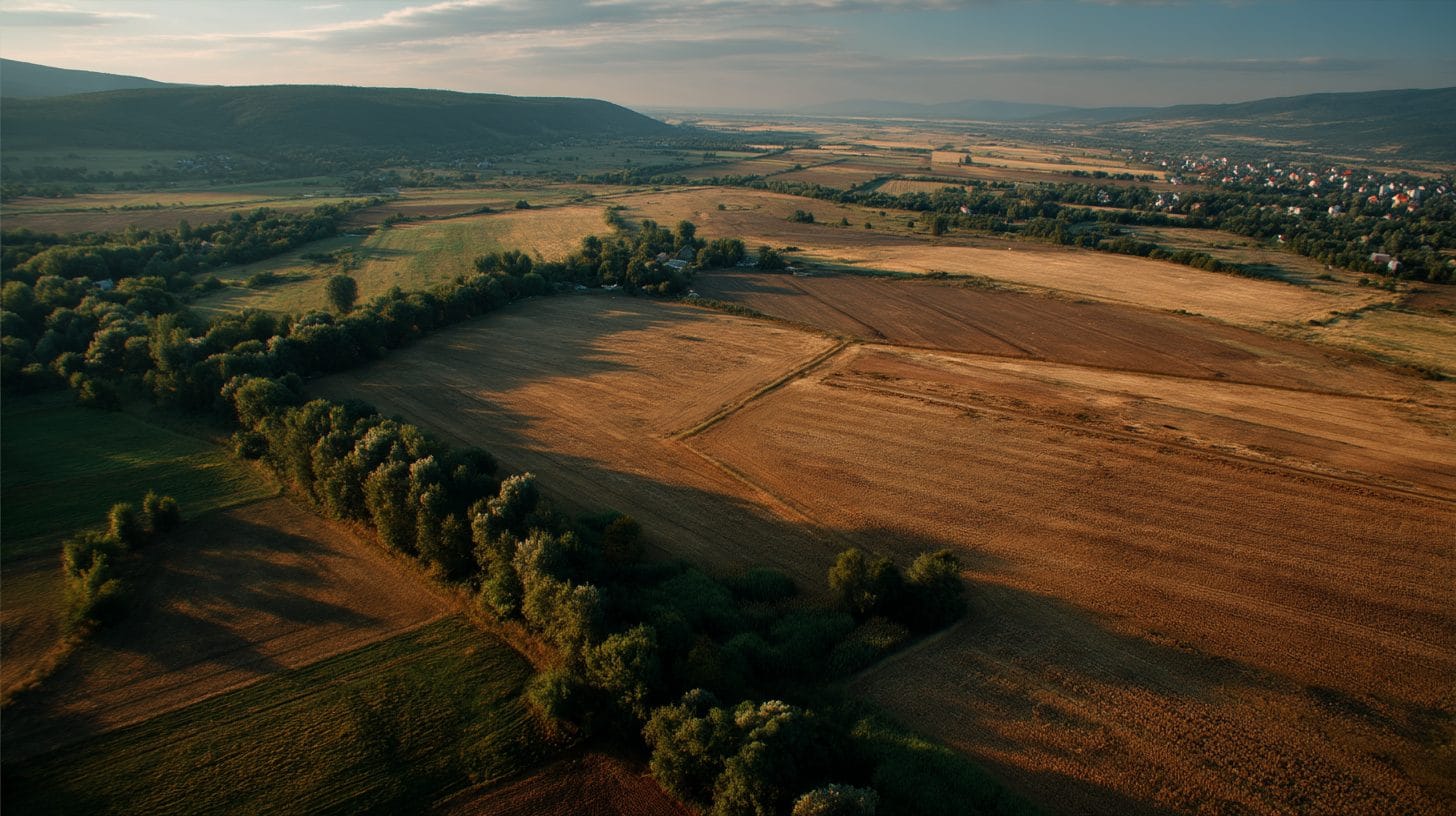
Using Real Estate Analytics to Forecast Land Trends on Bucharest’s Ring Road
The phenomenon of urbanization has ushered in a new era of growth and expansion within metropolitan areas worldwide. Bucharest, Romania’s sprawling capital, is no exception. As one of the most dynamic cities in Eastern Europe, Bucharest has witnessed a remarkable transformation over the past few decades. At the heart of this transformation is the Bucharest Ring Road, a key infrastructural development that has profoundly influenced real estate trends throughout the region. In this context, the application of real estate analytics has emerged as a pivotal tool in forecasting land trends on Bucharest’s Ring Road.
Understanding the significance of the Ring Road requires an exploration of its economic and infrastructural implications. Completed in the early 2000s, Bucharest’s Ring Road is approximately 70 kilometers long and encircles the city, connecting major traffic arteries and enhancing accessibility. This improved connectivity has spurred the growth of commercial and residential real estate, as investors increasingly recognize the value of properties situated near this crucial route.
Real estate analytics has become indispensable in understanding and predicting land trends in this rapidly evolving area. By leveraging data on various elements such as property prices, demographic trends, and economic indicators, analysts can provide valuable insights for stakeholders, including investors, developers, and policymakers interested in the Bucharest Ring Road land market. This article delves into key aspects of real estate analytics that help identify and forecast land trends, ultimately shaping investment strategies and urban development plans.
The first step in employing real estate analytics to understand land trends involves data collection. In Bucharest, a myriad of data sources is available, providing insights into current and historical property prices, rental rates, and occupancy levels along the Ring Road. These datasets often include information from real estate agencies, governmental land registries, and economic censuses. By aggregating this data, analysts can create comprehensive databases that help in recognizing patterns and relationships that influence land prices.
Once data is collected, advanced analytical tools are employed to improve understanding and generate forecasts. Utilizing predictive modeling techniques, analysts can project future trends based on historical data. For instance, regression analysis can reveal the relationship between property prices and factors such as proximity to the Ring Road, local amenities, and economic performance. By establishing these correlations, stakeholders can better understand how upcoming developments and policy changes may impact land values.
Moreover, Geographic Information Systems (GIS) have revolutionized the ability to visualize and analyze spatial data. GIS software can map the Bucharest Ring Road and overlay various datasets onto this geographic framework, providing a clearer perspective on how location impacts real estate values. Analysts can visualize the distribution of available properties in relation to transport infrastructure, green spaces, and commercial hubs, enabling them to identify emerging hotspots for investment along the Ring Road.
Understanding demographic shifts is another integral component of real estate analytics. By examining population distributions, migration trends, and socio-economic statuses of residents, analysts can forecast demand for housing and commercial properties. For example, an influx of young professionals and families can indicate a growing need for residential housing near the Ring Road, suggesting a possible rise in property values in the long term. This demographic analysis can be coupled with economic indicators, such as job growth rates and average income levels, to provide a holistic view of potential land trends.
Another layer of analysis involves assessing the impact of government policies on the real estate market. Urban planning initiatives, zoning regulations, and infrastructure projects often significantly influence land valuations. Analysts can track changes in policy to identify which areas along the Bucharest Ring Road stand to benefit from government investment or intervention. Such policies may include new transportation developments, business incentives, or residential initiatives that promote growth in specific locales.
Real estate analytics also encompasses market sentiment analysis, capturing insights from social media, online reviews, and news articles to gauge public perceptions about specific locations along the Bucharest Ring Road. Understanding consumer feelings regarding the desirability of certain neighborhoods can inform developers and investors about current trends and future projections. By integrating sentiment analysis with quantifiable data, stakeholders can make informed, strategic decisions that align with market demand.
Crowdsourced data platforms have become increasingly popular for acquiring real-time information about the real estate market. By aggregating input from agents, residents, and buyers, these platforms contribute valuable insights concerning property values, neighborhood desirability, and market dynamics. Utilizing this contemporary source of information allows stakeholders to adopt a more agile approach to decision-making, enabling quick responses to fluctuations along the Ring Road.
The insights gained from real estate analytics position investors and developers to identify opportunities more effectively. As vacancy rates decrease and property prices rise, stakeholders can use data-driven insights to determine the optimal timing for acquiring or developing land along the Bucharest Ring Road. By maintaining a close watch on emerging trends, investors can capitalize on opportunities ahead of their competitors, enhancing their chances of securing lucrative returns.
It is essential to acknowledge the limitations inherent in real estate analytics as well. While data provides valuable insights, unexpected variables such as shifts in economic conditions, natural disasters, or global events (e.g., pandemics) can abruptly alter forecasts. Thus, stakeholders must embrace a flexible mindset when interpreting analytics and incorporate multifaceted approaches in their decision-making processes.
Considering the multi-dimensional nature of Bucharest’s real estate market, it is crucial for stakeholders to collaborate. Engaging with local government officials, urban planners, and community organizations fosters valuable partnerships that enhance knowledge-sharing and support informed decision-making. By fostering these relationships and maintaining open lines of communication, investors can better navigate the complexities of the land trends along the Ring Road and contribute positively to the broader urban fabric of Bucharest.
In conclusion, using real estate analytics to forecast land trends on Bucharest’s Ring Road equips stakeholders with the necessary tools to navigate a dynamic market landscape. By collecting and analyzing data on property prices, demographics, and governmental impacts, investors can seize opportunities while mitigating risks. The application of advanced analytical methods—including predictive modeling, GIS visualization, and market sentiment analysis—further enhances the accuracy of forecasts. As Bucharest continues to evolve and grow, the importance of real estate analytics will undoubtedly intensify, providing critical insights that shape the future of land development along the city’s Ring Road.
Interested in Land Investment in Romania?
We specialize in high-yield land and property opportunities for serious investors.
VIEW OUR CURRENT PORTFOLIOSecure your investment with Land For Investors.

Published: March 24, 2025