

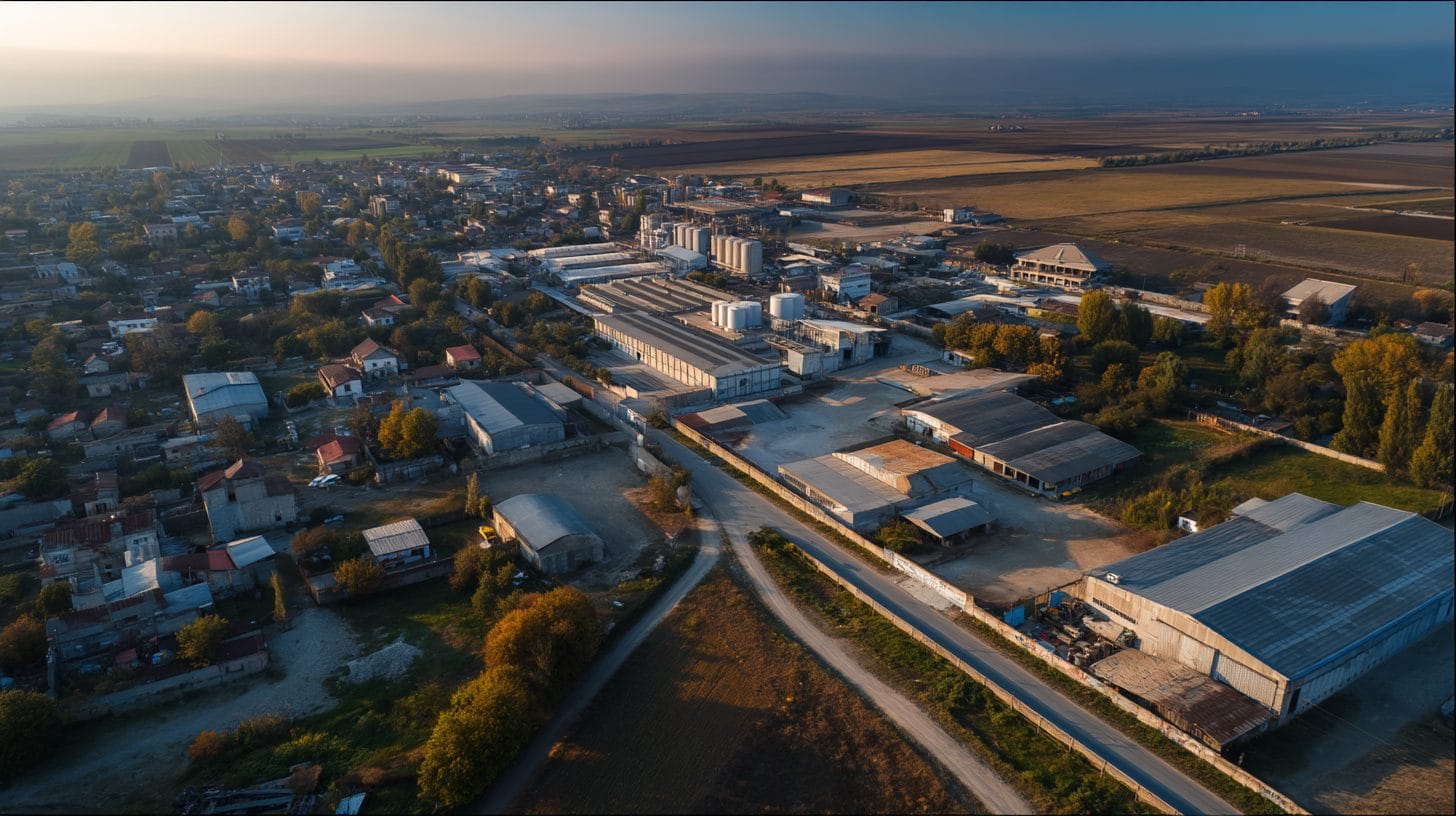
Using Local Demographic Data to Identify Land Opportunities in Clienceni, Ilfov
The quest for identifying lucrative land opportunities has become increasingly sophisticated with the availability of comprehensive local demographic data. For investors, developers, and real estate professionals looking to maximize returns in Clienceni, Ilfov, leveraging demographic data is key to making informed decisions. The integration of demographic data into the decision-making process opens up a myriad of opportunities for land acquisition and development that align with local trends and community needs.
Understanding the Importance of Demographic Data
Demographic data is a statistical representation of the characteristics of a population. It includes critical information such as age, gender, income level, education, occupation, and family structure, among others. This data provides valuable insight into the composition and behavior of a community. For stakeholders in Clienceni, understanding demographic trends is essential for identifying potential land opportunities that meet the demands of the local population.
Clienceni, a small but growing locality in Ilfov County, is subjected to dynamic demographic changes influenced by urbanization and economic development. By analyzing the local demographic data, stakeholders can identify not only potential land opportunities but also the specific types of developments that could thrive in this evolving environment.
Key Demographic Indicators to Consider
When assessing land opportunities in Clienceni, it is essential to consider several key demographic indicators:
1. Population Growth: Monitoring population growth trends in Clienceni can reveal an influx of new residents, which often results in increased demand for housing, commercial spaces, and public services. Developers can capitalize on this demand by investing in residential projects, mixed-use developments, or commercial ventures.
2. Age Distribution: The age demographic of the community influences land usage and development types. A younger population may indicate a need for affordable housing, recreational facilities, and lifestyle amenities, while an older demographic may drive demand for healthcare services, retirement communities, or senior living developments.
3. Income Levels: Understanding the income distribution in Clienceni provides insights into the purchasing power of residents. Areas with higher average incomes may have a greater demand for upscale residential projects and retail offerings, while lower-income areas may necessitate affordable housing solutions.
4. Family Structure: The composition of family structures—such as single-parent households, multi-generational families, and nuclear families—influences the type of housing required. Developers can tailor their projects to meet the needs of diverse family structures, ensuring optimal occupancy rates.
5. Educational Attainment: The educational background of the population can impact local employment patterns and the types of industries that thrive. High educational attainment may suggest a demand for professional office spaces and high-tech industries, whereas lower levels of education could indicate a stronger need for vocational training centers and retail jobs.
Utilizing Data for Strategic Planning
Once the critical demographic indicators have been identified, strategic planning becomes vital for aligning land opportunities with community needs. Real estate developers and investors in Clienceni can utilize demographic data to create targeted marketing strategies. For example:
– A developer could analyze data that indicates a growing population of young families and choose to invest in building family-friendly housing developments near schools and parks.
– Retail investors may identify neighborhoods with an increasing number of residents of working age and develop shopping centers that cater to their shopping preferences and lifestyle needs.
Collaborating with local government and businesses can also maximize the potential of land opportunities in Clienceni. Civic leaders may provide information on future growth plans, zoning changes, and infrastructure developments that can influence land usage. By aligning land acquisition strategies with government planning initiatives, stakeholders can position themselves advantageously for future growth.
Leveraging Technology for Data Analysis
The utilization of technology is essential in analyzing and interpreting demographic data. Geographic information systems (GIS) allow investors and developers to visualize demographic trends on maps, facilitating a comprehensive understanding of various areas within Clienceni. By employing data analytics tools, stakeholders can derive insights about population density, patterns of movement, and community needs that may not be readily apparent through traditional analytical methods.
As the importance of data captures the interest of businesses worldwide, utilizing advanced analytics can lead to higher precision in identifying land opportunities. Predictive modeling can also inform decision-making by forecasting future demographic trends based on historical data, allowing for proactive measures to be taken.
Being Adaptable to Change
The landscape of Clienceni is ever-evolving, and staying ahead of fluctuations in demographics is crucial for land opportunity stakeholders. Continuous engagement with local communities and adaptation to changes in societal trends will ensure that investments align with the current and future needs of residents. This adaptability is essential in mitigating risks and enhancing the potential for successful land development ventures.
Conclusion
Using local demographic data to identify land opportunities in Clienceni, Ilfov is not merely a strategic advantage—it is essential for success in today’s competitive real estate market. By accurately analyzing population growth, age distribution, income levels, family structures, and educational attainment, stakeholders can make insightful investment decisions, anticipating the needs of a dynamic community.
The future of land development in Clienceni is bright, especially for those who harness the power of demographic data to understand evolving trends and community needs. By integrating data analysis with strategic planning and collaboration, investors and developers can unlock valuable land opportunities that contribute to the overall growth and prosperity of this vibrant locality in Ilfov.
Interested in Land Investment in Romania?
We specialize in high-yield land and property opportunities for serious investors.
VIEW OUR CURRENT PORTFOLIOSecure your investment with Land For Investors.

Published: March 18, 2025